
 EN
EN



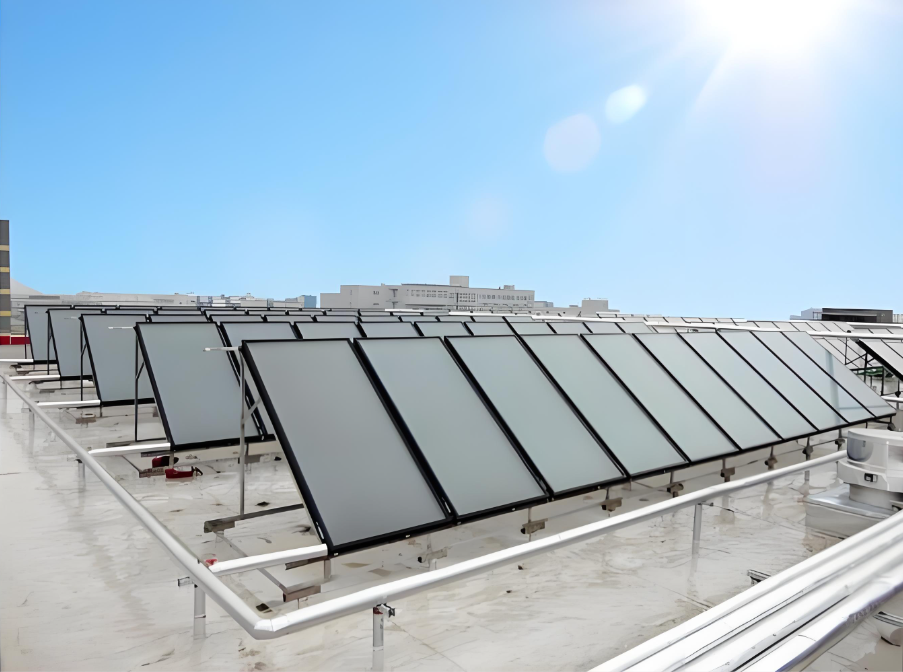
Why Roof Type Matters for Flat Plate Solar Collector Installation
How Roof Pitch, Material, and Structural Integrity Affect Mounting Feasibility
Flat plate solar collectors are highly sensitive to roof characteristics. Roof pitch plays a vital role, as steep roofs (more than 30°) and low pitch roofs (less than 10°) require different mounting systems. Other considerations also impact materials:
- Asphalt shingled roofs are compatible with standard flashing mounts.
- Metal seams can use clamp installations that don’t penetrate the roof.
- Tile/slate roofs require brackets that redistribute weight to avoid cracking.
Structural integrity is also very important. Roofs must support an additional load of 3-5 lbs/sq ft, and thus require professional assessment prior to installation. Many older buildings require additional reinforcement, as 40% of commercial buildings in the US built before 2010 are estimated to require updates for solar compliance (Roofing Industry Survey 2023).
The main design benefits of flexibility and adaptability in Demax Flat Plate Solar Collectors
Demax systems are specifically designed to overcome roof constraints. Their rail-free mounting system allows roofs with a variety of shapes and low-profile designs maintain wind resilience of 160 mph. There are 3 primary innovations that facilitate universal installation.
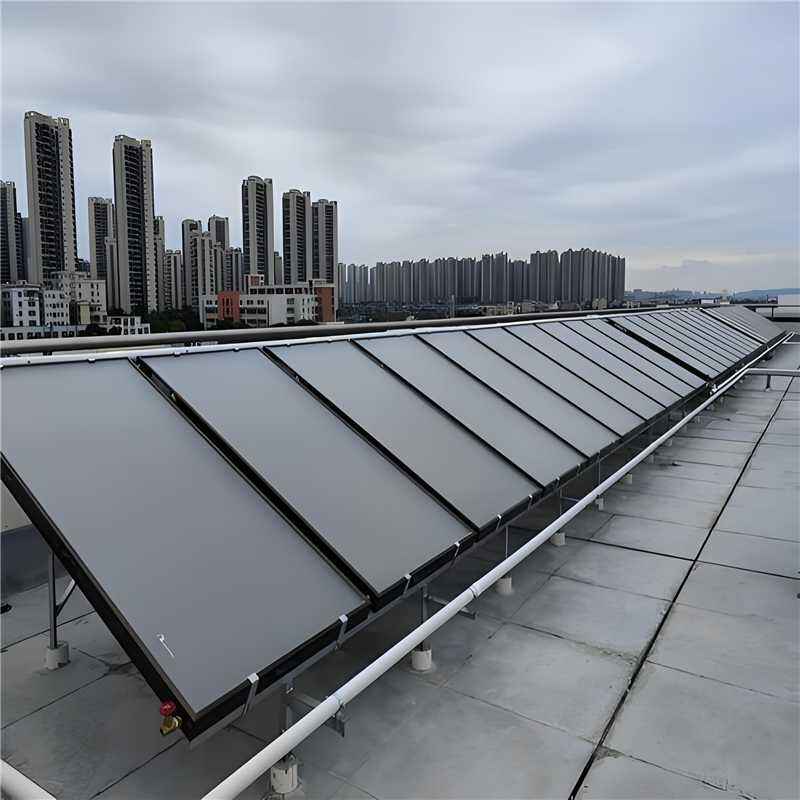
Feature, Benefit, Roof Compatibility
- Modular panel design, adjustable spacing for obstructions, skylights/vent pipes.
- Weight distribution pads, 70% reduced point loading, Historic/tile roofs.
- Multi-angle tilt kits, 15° - 45° adjustability without re-racking, flat/low-slope surfaces.
As a result, the need for custom fabrication costs is eliminated, which is a contributing factor to the 18% faster project timelines for Demax installations. Their integrated waterproofing system precludes leaks, which addresses the top concern with 79% of property owners regarding solar retrofits (Renewable Energy Adoption Report 2024).
Typical Roof Types with Step-By-Step Instructions for Easy Installation
Standardized Rail Kits and Non-Penetrating Methods for Asphalt Shingle and Metal Roofs
Typically, attaching solar panels to asphalt shingle roofs involves invasive procedures, including penetrating the rafters and employing special factory flashing to keep water from getting in places you don’t want it to. For standing seam roofs, installers have the ability to use clamp-on systems that attach to the vertical seams without making any penetrations, which is excellent for keeping the seam roof’s manufacturer warranty. Demax flat plate collectors are compatible with standard rail mounting kits, including both shingle and metal roofs. They include adjustable tilt options so end users can optimize them for solar gain. The frames are constructed with aluminum and the panels are lightweight, averaging about 18 kilograms per square meter, which is beneficial to the structural integrity of the building. The minimal components of the collectors, combined with the factory installed templates and the factory installed template, translate to an increase in efficiency and longevity for the roof, and the template help the installers keep the critical 100 millimeters from the roof, which provides adequate air from the roof.
Ballasted vs. Securely Anchored Flat Plate Solar Collector Systems on Low-Slope Membrane Roofs (EPDM/TPO)
There are two main systems for flat plate solar collectors on EPDM/TPO roofs:
1. A "Ballasted" system allows for solar collectors to be held in place using weighted concrete blocks (≈25 kg/m²) without penetrating the roof. This is ideal for leased/rental buildings.
2. A "Securely Anchored" system uses fully flashed mounts that are bolted through the roof membrane and deck. This is appropriate for high-wind zones (rated >110 mph).
Because of the friction created by these systems, membrane protection mats will be required. For roof drainage and warranty considerations, Demax units are low-profile and minimize wind uplift. They also integrate with either system through universal mounting points. Ballasted systems typically involve the most complexity, as they require a professional structural assessment to ensure that the distribution of the load is within safe limits.
Factor Ballasted Systems Anchored Systems
Installation Time 30% Faster Requires precise sealing
Roof Compatibility 90% of low-slope surfaces Requires solid decking
Wind Resistance Up to 90 mph Exceeds 110 mph
Overcoming Challenges on Complex or Historic Roof Surfaces
Concrete Tile and Slate Roofs: Balancing Waterproofing Integrity and Load Distribution for Flat Plate Solar Collectors
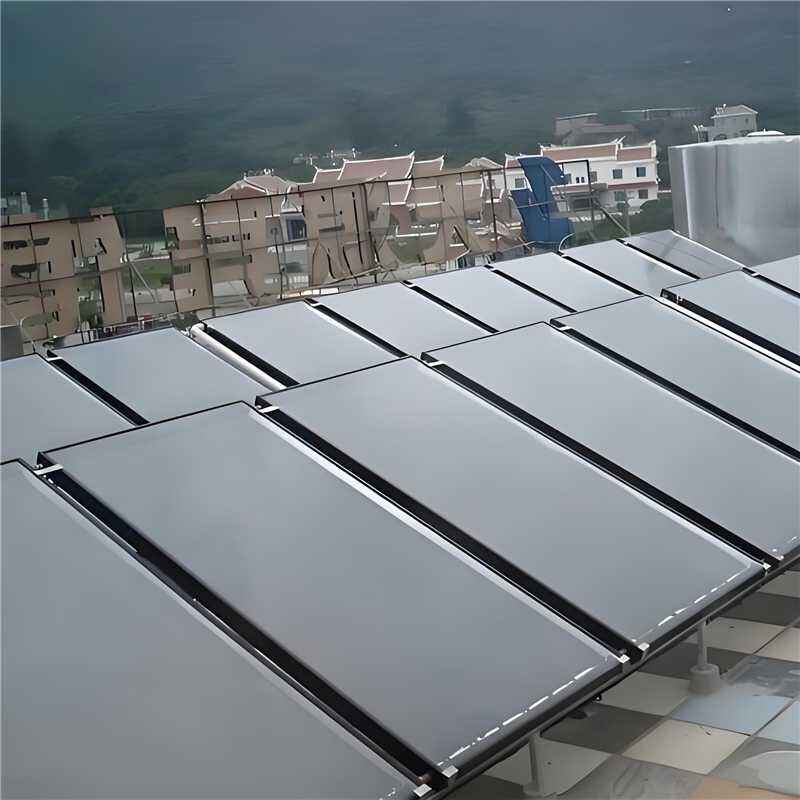
Working with slate or concrete tiles requires a certain skill set and focus on these kinds of materials. They are more brittle and very difficult to keep waterproof. In fact, both can shatter if too much compression is applied to a particular area. Focusing on load distribution is very critical. In 2023, we heard of an example which attested to the impact of improper mounting and caused a staggering $5000 to a homeowner. Ideally, the industry has shifted to using dedicated rail systems to mount across the array. This is done to uniformly distribute the loading across multiple tiles rather than concentrating it in a single tile. This is done to preserve the tiles and ensure the integrity of the roof system.
Waterproofing is a constant headache. Even the old proven penetration techniques are leaking trouble. The approaches are varied. For flat roofs, some just prefer mounts that don’t penetrate roof surfaces. Compression brackets have flashing built in, and some sealants are special polymers that are durable up to 200 freeze-thaw cycles. Real pros always know to improvise their techniques and methods based on site conditions. They ensure that the solar panels are aesthetically pleasing on sustainable solutions and functioning properly for years. Ultimately, the aim is to ensure that no water ingress occurs, and the solar system performs.
FAQ
Why is roof type important for solar collector installation?
The type of roof will influence the installation method, the equipment needed, and the consideration of the structure. These factors are critical to the safe and effective operation of flat plate solar collectors.
What are the specific requirements for installing solar collectors on asphalt shingle roofs?
In solar panel installation on asphalt shingle roofs, it is necessary to drill through the rafters and use factory-made flashing to ensure there is no water ingress.
How can Demax flat plate solar collectors accommodate different roof types?
Demax systems are designed with a substantial degree of flexibility, multi-angle tilt kits, panel designs that can be modified, and rail-free systems, enabling them to adapt to a wide variety of roof configurations.
What issues arise when trying to install solar collectors on slate or concrete tiled roofs?
These roof types are easily crackable and are considered fragile. It becomes imperative to consider weight distribution and how to properly waterproof to avoid further issues.