
 EN



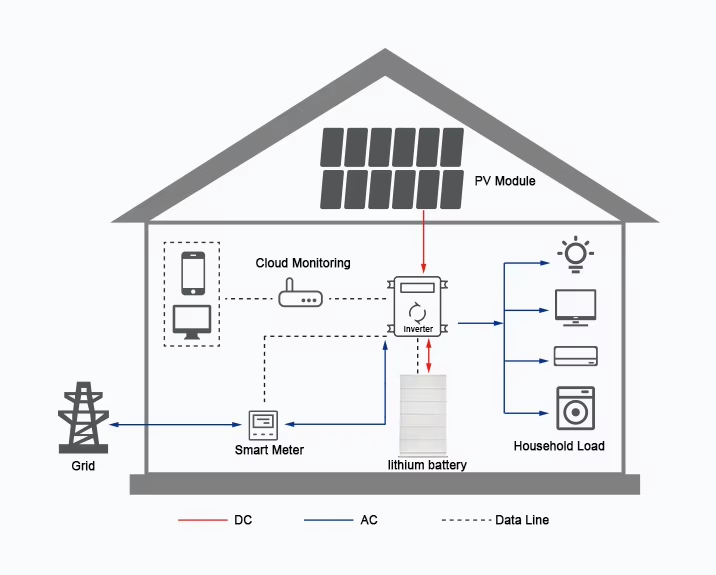
As global businesses accelerate their transition toward net-zero carbon goals, optimizing energy consumption has become a core operational priority rather than a mere sustainability checkbox. Commercial and industrial (C&I) facilities, data centers, and large-scale manufacturing hubs require robust infrastructure to tackle rising peak-demand charges and frequent grid instability. This operational shift has driven a massive wave of global interest in the deployment of a highly efficient energy storage system. The central question for project developers, facility managers, and engineering leads is straightforward: can these standard modular setups seamlessly scale to meet the multi-megawatt demands of large commercial infrastructure? The short answer is yes, but the real value lies in how the scaling process maintains round-trip efficiency, safety, and system longevity without multiplying operational complexity.
Modularity and the Evolution of the Energy Storage System
Scaling up a battery deployment involves much more than simply wiring extra cabinets together in a row. It requires an intelligent, modular architecture where individual battery energy storage system units operate in perfect harmony. High-performance setups utilize high-density lithium iron phosphate (LiFePO4) cell chemistry, structured into cohesive racks that can be paired in parallel configurations. This flexible design allows project engineers to expand system capacity incrementally—from a baseline 100 kWh for small commercial setups to multi-megawatt-hour (MWh) systems tailored for heavy industrial plants. By utilizing a flexible, decoupled system layout, power conversion systems (PCS) and battery enclosures can be sized independently, perfectly matching the specific peak-shaving, load-shifting, or emergency backup profiles of any commercial project.
Advanced Cluster Management and Thermal Controls
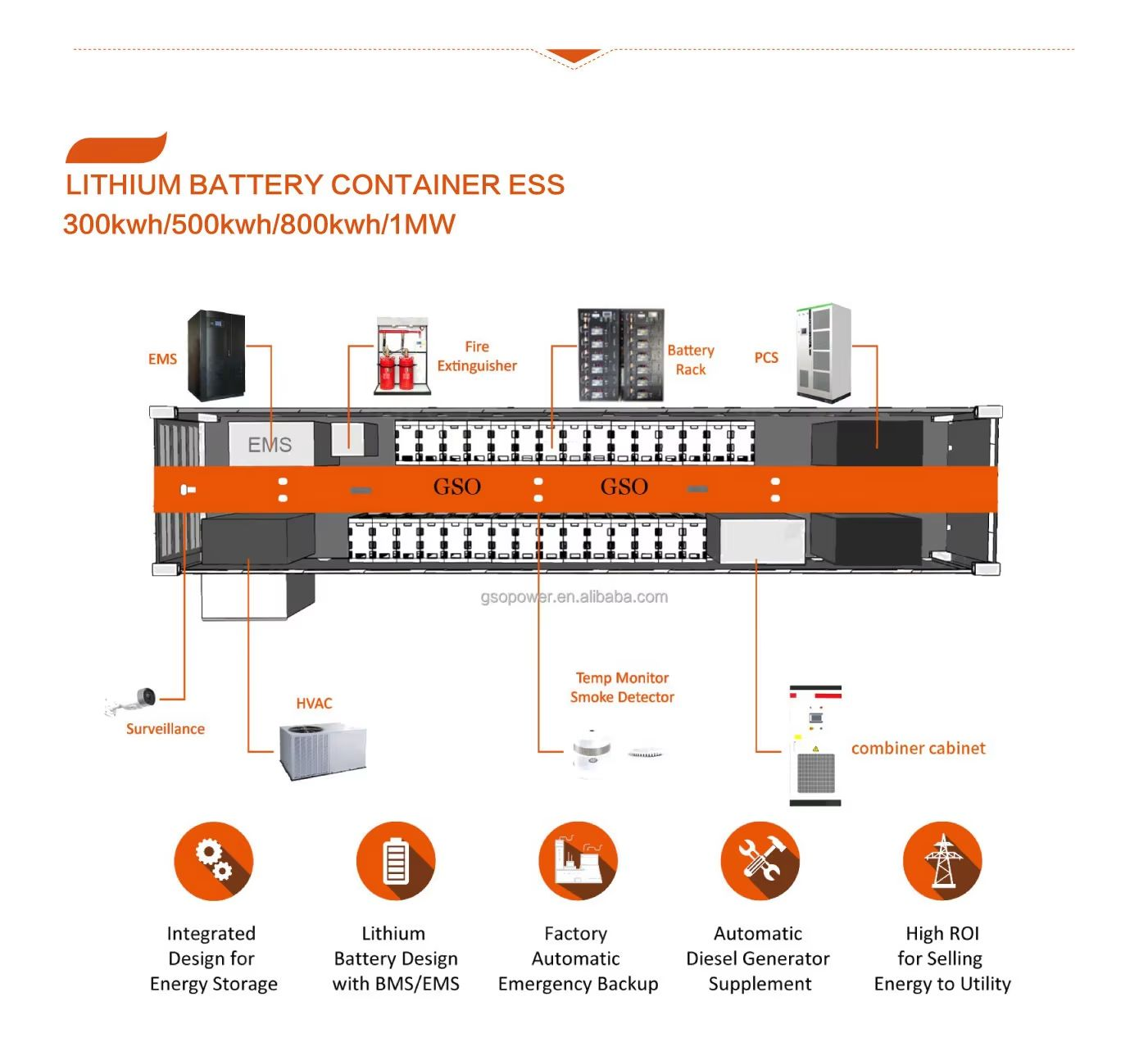
From practical experience overseeing large-scale factory retrofits and microgrid installations, a common bottleneck in expanded storage systems is uneven cell degradation, often caused by poor thermal management. When dozens of battery strings are connected, standard series-parallel configurations can suffer from loop currents if internal resistance varies even slightly. To solve this challenge, advanced energy storage system architectures implement a multi-layer decentralized Battery Management System (BMS) alongside highly efficient liquid-cooling technology. This setup actively monitors voltage, state of charge, and temperature at the individual cell level. By maintaining a uniform temperature gradient across all interconnected racks, the system effectively prevents localized hot spots, minimizes capacity mismatch, and protects the total asset investment over thousands of operational cycles.
Meeting Strict Grid Codes and Authoritative Compliance Standards
Commercial storage deployments must satisfy rigorous regulatory frameworks before getting approval to connect to local electrical grids. Industry authorities like the IEEE and international compliance boards emphasize that large-scale systems must offer reliable grid-support functions, including rapid frequency regulation, automatic voltage control, and black-start capabilities. Modern engineering integrates intelligent smart-grid software that aligns perfectly with these global performance benchmarks. During sudden grid voltage drops or unexpected spikes, the system responds within milliseconds to supply active or reactive power, stabilizing the local infrastructure. This proven technical compliance ensures that commercial projects pass local utility inspections smoothly, reducing deployment timelines and preventing unexpected compliance costs.
Unlocking Economic Value and Long-Term Commercial ROI
Beyond impressive technical specifications, a commercial storage project must make absolute financial sense for CFOs and asset managers looking at long-term returns. Scaling up a commercial energy storage system directly enhances a facility's financial performance by expanding its capacity for peak shaving and demand charge management. In regions with high peak-hour electricity tariffs, a well-scaled system stores low-cost, off-peak energy and discharges it during peak periods, drastically reducing monthly utility expenses. Furthermore, large commercial projects can leverage these systems to participate in lucrative grid-demand response programs, turning an operational backup asset into an active revenue stream while providing critical power security to safeguard against costly assembly line blackouts.
Manufacturing Excellence and Secure Global Supply Chains
Executing a flawless commercial energy storage project requires a partner capable of moving beyond theoretical designs into volume manufacturing and dependable delivery. Demax stands out in the global market due to its advanced production facilities and strict quality management workflows. By managing an integrated component supply chain and leveraging optimized production logistics, Demax ensures that every battery cell, enclosure, and internal control module undergoes exhaustive stress-testing before shipping out. This complete oversight minimizes lead times and guarantees that large-scale commercial orders arrive precisely on schedule, backed by comprehensive technical support to streamline installation and maximize long-term asset performance.