
 EN



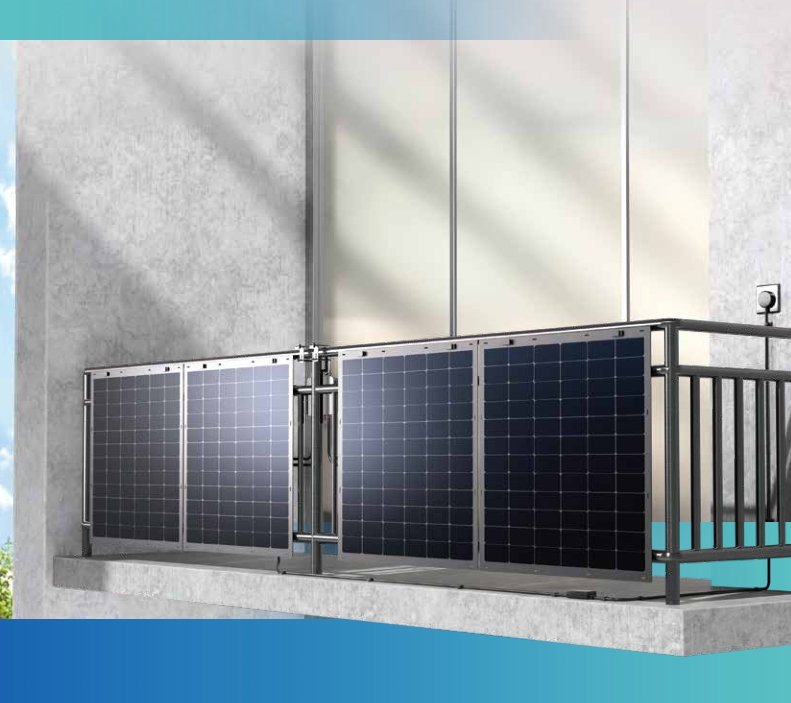
How Demax Solar Air Conditioners Deliver Efficient Winter Heating
Heat Pump Physics: Reversing the Vapor Compression Cycle for Heating
Demax solar air conditioners use proven heat pump technology to deliver efficient winter heating. Rather than generating heat like resistive heaters, they reverse the vapor compression cycle—absorbing ambient thermal energy from outdoor air (even below freezing) and releasing it indoors through refrigerant condensation. This thermodynamic principle enables a Coefficient of Performance (COP) typically exceeding 3.0, meaning more than three units of heat are delivered per unit of electricity consumed. The compressor and reversing valve enable seamless bidirectional operation, making Demax systems true year-round climate solutions.
COP Analysis: Why Heating Efficiency Declines Below 5°C and How Demax Compensates
Heat pump efficiency naturally declines as outdoor temperatures fall—primarily due to reduced heat availability in ambient air and increased defrost cycling. Below 5°C (41°F), COP typically drops by 30–40% compared to mild-weather performance. Demax counters this with two integrated innovations:
- Variable-speed compressors, which dynamically adjust refrigerant flow to maintain stable pressure ratios and system responsiveness despite cold-induced viscosity changes
- Solar photovoltaic (PV) integration, delivering direct DC power to the compressor and auxiliary circuits during peak heating demand
This dual strategy sustains a COP above 2.0 even at -10°C (14°F), outperforming conventional air-source heat pumps by 25% in sub-5°C conditions according to 2023 cold-climate HVAC performance benchmarks.
Real-World Performance of Demax Solar Air Conditioners in Cold Climates
Field data from Northern China and Central Europe confirms that Demax solar air conditioners deliver reliable, grid-light heating down to -15°C (-5°F). In Harbin, China, systems maintained a heating COP of 2.1 at -15°C during winter 2023 trials—approximately 30% higher than comparable non-PV heat pumps under identical conditions. This resilience stems from two synergistic advantages: First, PV panels generate up to 15% more electricity in cold, clear conditions due to improved semiconductor efficiency and lower operating temperatures. Second, the DC output from solar panels powers auxiliary heating elements directly when compressor efficiency dips—bypassing inverters and grid dependency. Multiple field studies confirm that this PV-coupled approach enables uninterrupted heating in climates where traditional heat pumps rely on fossil-fueled or resistive backup.
Why Demax Uses PV-Coupled Heat Pumps Instead of Solar Thermal Integration
Demax opts for photovoltaic-coupled heat pumps—not solar thermal integration—for fundamental engineering and operational reasons. Solar thermal systems require separate infrastructure: collectors to absorb heat, heat-transfer fluids, heat exchangers, and often a secondary refrigeration loop for cooling. This multi-stage architecture introduces parasitic losses, freeze-risk fluid management, and maintenance complexity. In contrast, PV-coupled heat pumps unify energy harvesting and climate control into a single, scalable electrical system. Crucially, PV power remains fully functional in sub-zero conditions—unlike solar thermal fluids, whose viscosity spikes and absorption chillers’ performance plummets below freezing. By converting sunlight directly into electricity to drive a robust vapor-compression cycle, Demax achieves higher net seasonal performance factors and simplifies long-term ownership.
Clarifying Common Misconceptions About Solar Air Conditioner Heating
Debunking 'Solar ACs Add Heat to Refrigerant' — The Thermodynamic Reality of Reverse-Cycle Operation
A common misconception holds that solar air conditioners “add heat” directly to the refrigerant. This misrepresents the physics of reverse-cycle heat pumps. These systems move heat—not create it—by exploiting phase-change thermodynamics. The solar component provides electrical energy to power the compressor, enabling the refrigerant to absorb low-grade thermal energy from outdoor air (even at -15°C) and release it indoors via controlled condensation. Introducing external thermal energy into the refrigerant stream would disrupt the precise pressure-enthalpy balance essential to efficient vapor compression—reducing reliability and COP. Photovoltaics supply clean electrical input; they do not—and cannot—thermally augment the refrigerant. Understanding this distinction is key to appreciating how Demax delivers high-efficiency, low-carbon heating without violating fundamental thermodynamic laws.
FAQ
Q: How do Demax solar air conditioners provide heating in winter?
A: Demax solar air conditioners use heat pump technology, reversing the vapor compression cycle to extract heat from outdoor air and release it indoors, even in sub-freezing temperatures.
Q: What is the Coefficient of Performance (COP) for Demax systems in cold climates?
A: Demax systems maintain a COP above 2.0 at temperatures as low as -10°C (14°F), and have achieved 2.1 even at -15°C (-5°F) under real-world conditions.
Q: How does solar PV integration contribute to heating performance?
A: Solar photovoltaic panels provide direct DC power to the compressor and auxiliary circuits, improving efficiency by offsetting electrical demands and maintaining consistent heating capability during peak demand.
Q: Why doesn’t Demax use solar thermal systems?
A: Solar thermal systems are less suitable for sub-zero climates due to fluid freeze risk and performance loss. PV-coupled systems provide a simpler, more efficient design for year-round heating.
Q: Do Demax systems add heat directly to the refrigerant?
A: No. Demax systems utilize electrical energy from PV panels to enable the refrigerant's heat transfer, adhering strictly to thermodynamic principles without augmenting refrigerant heat directly.