
 EN
EN



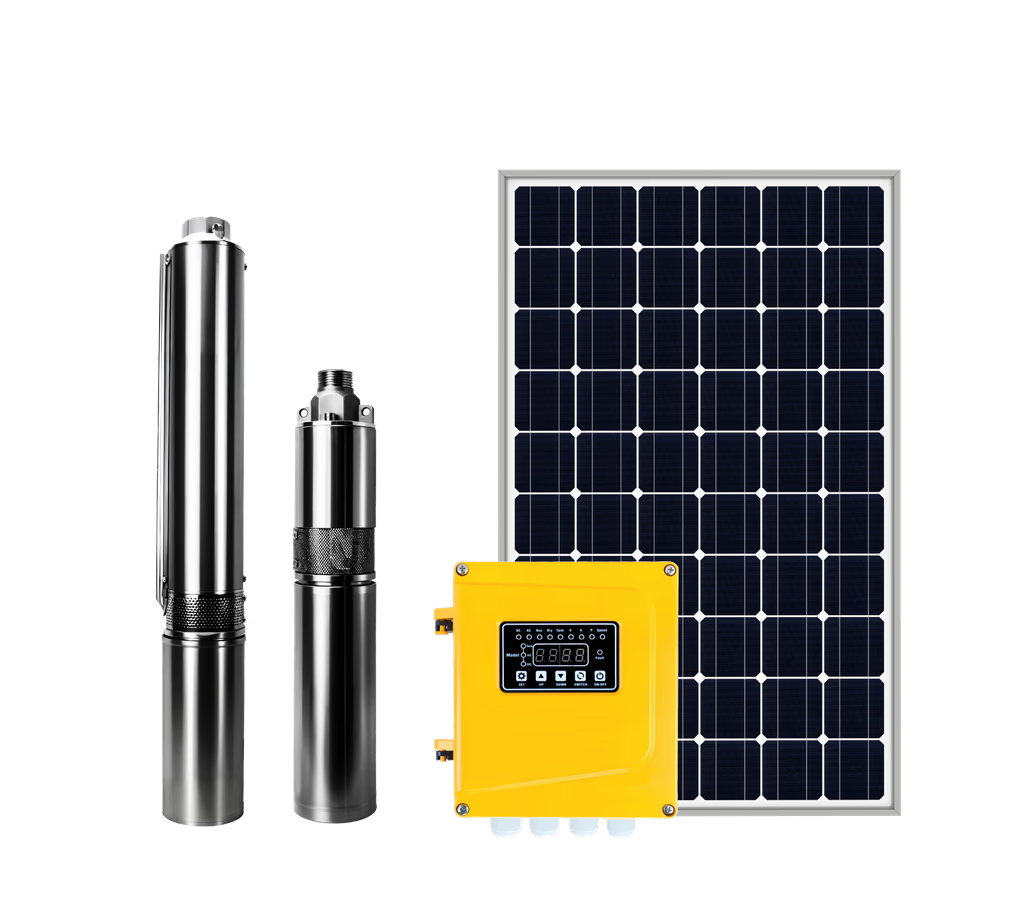
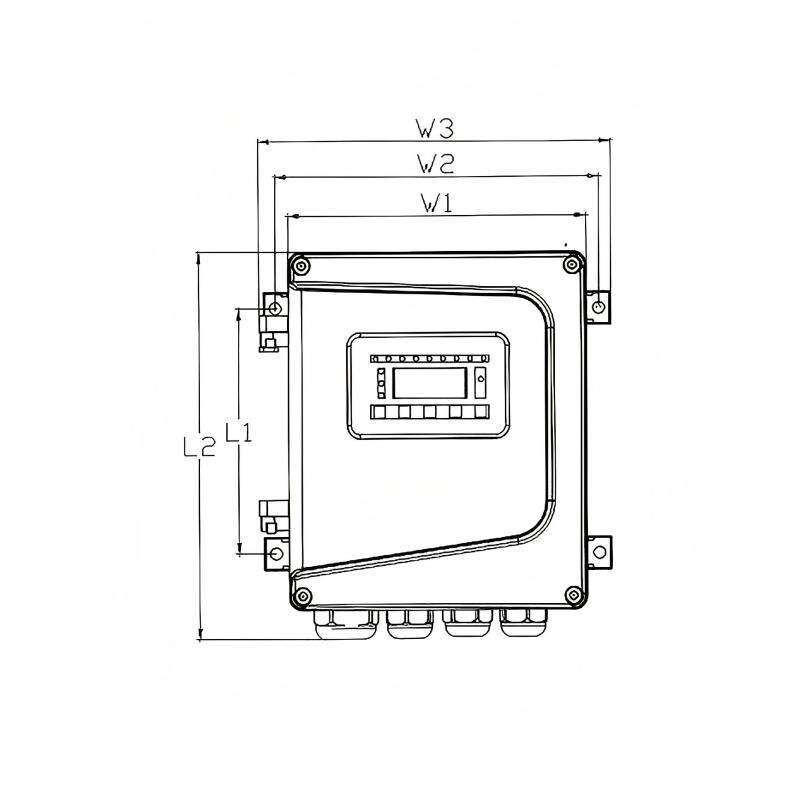
Solar water pumping systems operate on the principle of converting sunlight into mechanical energy using three core components: a photovoltaic (PV) panel, a pumping unit controller, and a water pumping motor. Upon exposure to sunlight, the panels generate direct current (DC) electricity, which is managed by the pump's controller. They use a technique called Maximum Power Point Tracking (or MPPT) to manage the energy flow, drawing the best possible output from the cells, irrespective of the intensity of sunlight. Pumps are designed to operate on DC electricity, and the controller optimizes energy flow to ensure is pumped against an energy sink (i.e. water) to harness the energy. This paired setup is ideal for use with two basic pump types, which we will review in detail shortly. Submersible pumps, which are placed in vertical boreholes greater than eight (8) metres deep, are best for applications requiring high and low flow and lift. Surface pumps are best for applications requiring low and high flow for irrigation. These pumps are mounted on the surface and source water from below the surface (-<7 metres) of a stream, pond, or river.The choice between surface and submersible pumps depends on the specific hydrology and head requirements of the site. Surface pumps are able to produce 20-30% more flow rate in shallow applications, while submersible pumps provide better pressure reliability in deep-well situations.
Energy Conversion Efficiency: DC vs AC Solar Water Pumps
Direct current (DC) pumps connect directly to the solar panels. This is an added advantage as there is no need for conversion and energy loss is minimized; hence, daily efficiencies average around 92%. AC (alternating current) systems have as low efficiencies as 78 to 85 % due to the added inverter conversion step. Furthermore, for pumping applications greater than 50 m, DC submersible pumps have an energy advantage of approximately 15 % per kWh over the equivalent AC submersible pump. AC setups have the advantage of being compatible with the secondary (grid) electricity supply, but for use in remote locations where no electricity is available, DC pumps are the most economical and reliable over time.
Advantages of Using Solar Water Pump Systems in Agriculture and Off-Grid Situations
No Fuel Expenses, Simple Upkeep, and Green Tech.
With these new solar pumps, you’ll never buy fuel or use power from the grid again. That means you’ll be able to lower your costs of operations from 60% to 80% when compared to the traditional diesel and electric pumps. Because of their design, they won’t even have any burning engines. Their moving parts are fewer than 5 and their electronics are all solid-state. Maintenance requirements are minimal. Most of the time, a yearly inspection is all you’ll need. You should wash the solar panels when they get dirty and the same goes for the intakes—for filters that may be clogging. While in operation, they emit zero carbon dioxide. In fact, they are able to eliminate from two to five tons of green house gasses annually. You won’t have to worry about your water getting polluted because of any fuel spills or generator runoff contamination. Many of the certified systems are designed to endure punishing operational conditions, such as extreme heat, dusty, and humid environments. Up to 15 years of solid and uninterrupted operation is not unusual.
This will allow them to implement farming solutions to integrate sustainability strategies long term across diverse farming regions worldwide.
Energy Independence for Remote Farms, Villages, and Irrigation Projects
Solar-powered water pumps provide off-grid individuals with complete systems independence. With these, remote farmers can irrigate their fields even during dry seasons. Empirical evidence has, to some extent, cemented this practice. It has been reported that during dry seasons, harvest yields may surge by 15 to 30 percent with the implementation of this irrigation tactic. Additionally, for remote rural communities, uninterrupted access to potable water, as well as the ability to sustain livestock, relieves the pressure associated with irregular deliveries of transport fuel as well as electrical disruptions. Not to mention, in arid farming areas, solar panel systems can be customized to the size of the farming operation with no extensive, costly, and time-consuming terrain-altering irrigation systems. Unlike fuel-powered irrigation systems, solar-powered systems do not fail during storms and fuel outages, making them reliable systems in communities that have endured long dry periods and have fought for reliable water access for decades.
Choosing the Appropriate Size and Type of Solar Water Pump for Your Needs
Daily Water Amount, Total Head, Flow Rate, & Solar Insolation
System sizing is based on the following four interdependent factors:
Daily water requirement (liters/day) influences how long the system must run and how large the storage system must be. For example, 1 hectare of vegetable farming usually needs 50,000–70,000 L/day.
Total dynamic head, which is the vertical lift combined with the friction loss due to the pipe, determines the type and the power of the pump required. Surface pumps are suitable for <10 m. For bigger requirements, a submersible pump becomes a necessity.
The flow rate (L/min) is limited to the capacity of the source. For example, if a well has a sustainable recharge rate of 5 GPM, and you are exceeding that rate, you are wasting power, and if you are below that, you will create a drawdown.
The solar insolation (kWh/m²/day) is the major deciding factor of the size of the PV array. For example, if Arizona has 6.0 kWh/m²/day, they will need less PV array size than Germany, who has 3.0 kWh/m²/day, where they will need to oversized their array.
The example impacts to the system design for the parameters are as follows:
Daily Water Needs – determines pump run time & size of storage
Total Dynamic Head– Determines the power class of the pump and the type of the pump needed.
In order to run the system adequately, all four of the parameters must be estimated accurately. If they are underestimated, the system will be exposed to chronic subpar performance, such as causing stress to the crops due to insufficient water flow or completing the system's irrigation cycles due to the lack of water.Coordinating the Pump Capacity to the Size of the Panel Array and Battery Backup Requirements (if Any)
It's essential that the system components fit together properly. A common approach within the industry is to oversize ideal combinations by about 30-50%. Operating a 2 HP (1.5 kW) pump with about 3 kW of solar panels is fine. Business seasonality relies on lowering insolation to provide enough solar power to run the pump. Additional batteries are going to cost 20-35% more, but they will allow the system to function at night, which is important for things like watering schedules for animals. Also, batteries do lose some energy with each charge discharge cycle. If the only need is for watering during the day (like for irrigation), going with a DC system will eliminate the need for an inverter. This will improve the system's efficiency by about 15% over an AC system. And don't forget the most important part: ensure that the pump is compatible with the pressure and flow rate requirements of the system, otherwise practical performance will drop by 40% if the system doesn't operate as designed.
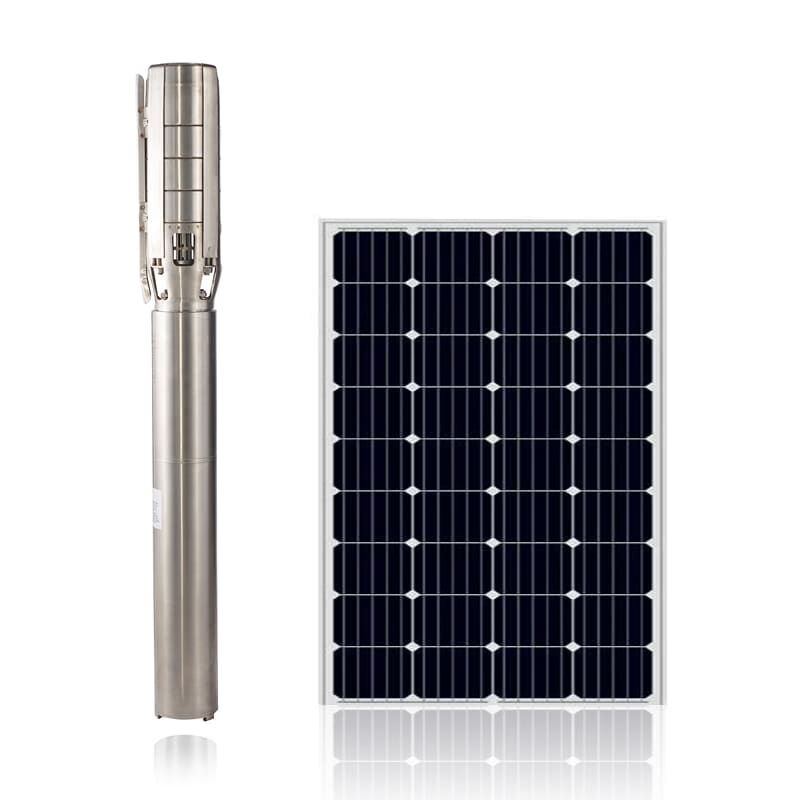
Helpful tools like solar pump selection guides simplify the selection process while providing pump options based on the local conditions and avoiding over-complicating things or providing equipment that is too small for the job.
Installation, Maintenance, and Practical Performance Issues
Achieving good results for a long time is really a question of how the installation and maintenance is done. What needs to be done? Thorough planning of the location is critical. Explore various parameters of the land like terrain, vegetation cover, seasonal distribution of solar radiation, and the flow of the water. This is critical to the effective location of the solar panels and to minimize the need for repositioning of the pumps. Ensure there is minimal movement in the system to avoid wear. Invest in IP68 rated enclosures and moisture and UV sealed connectors. This is especially critical in remote areas and areas with high humidity or high dust conditions.
In regards to maintenance, it should be done at least every three months. You should always start maintenance by washing the panels. Cleaning the panels increases their ability to capture energy by 15% to 25% which makes it worth the 5 to 10 minutes to do it. It is also important to clean the intake filters to avoid clogging problems. Finally, leaks in the pipes should be kept in check. This is important because they will get worse over time if they are ignored. Checking for leaks is necessary to avoid major problems in the future. We maintain our systems and have watched them operate well in various environments, including the solar powered systems placed in the hot desert farms of Rajasthan. The systems are reliable and performing the same from one season to the next. When a maintenance schedule is followed, the systems are operational 95% of the time including extreme weather. This is crucial to the watering of crops, clean water to the community, and is reliable no matter the weather.
FAQ
What are the main components of solar water pumps? The main components include photovoltaic panels, a control unit for the pump, and the motor that moves the water.
Which pumps are utilized in solar water pumping systems? Pumps are classified as submersible or surface, where submersible pumps are used for deep wells and surface pumps for shallow wells.
What are the characteristics of the DC and AC solar water pump configurations? DC systems are more efficient than AC systems due to the lack of an inverter, making direct connections to the solar panels more energy efficient.
What advantages are there to using solar water pumps in agriculture? They are beneficial because there is no need to worry about fuel costs, maintenance is minimal, the pumps are more environmentally friendly than other options, and they are great for areas where energy independence is needed.
When selecting the appropriate solar water pump, what should I keep in mind? When determining system size, carefully consider the total dynamic head, flow rate, daily water requirement, and solar insolation.
Table of Contents
- Energy Conversion Efficiency: DC vs AC Solar Water Pumps
- No Fuel Expenses, Simple Upkeep, and Green Tech.
- Energy Independence for Remote Farms, Villages, and Irrigation Projects
- System sizing is based on the following four interdependent factors:
- Installation, Maintenance, and Practical Performance Issues
- FAQ