
 EN



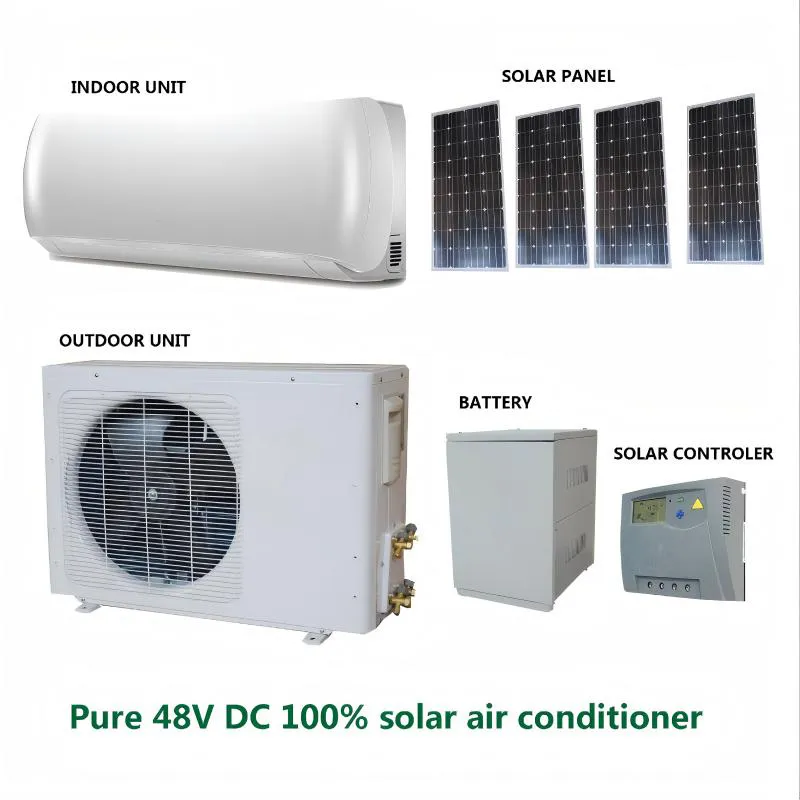
Understanding the Technology Behind Demax Hybrid Solar Air Conditioners
For homeowners interested in reducing their energy bills and carbon footprint, solar air conditioning represents a compelling intersection of renewable energy and everyday comfort. However, the technology behind these systems is often misunderstood. The Demax AC/DC hybrid solar air conditioner is a prime example of how modern engineering can leverage photovoltaic energy to power a conventional cooling cycle. Unlike a solar thermal system, which uses the sun's heat directly, this hybrid unit converts sunlight into electricity. This electricity is then used to drive a high-efficiency compressor. The key innovation is the ability to seamlessly switch between solar power and grid power, ensuring that the cooling system never stops running, even when the sun goes behind a cloud. Understanding how this hybrid system operates, how it performs in real-world conditions, and what is required for installation is essential for making a smart investment in home energy efficiency.
The Photovoltaic Compression Cycle
The core of the Demax hybrid system is a standard vapor compression cycle, but with a critical innovation: the compressor and fan motors are powered directly by DC electricity generated by rooftop solar panels. When sunlight hits the photovoltaic array, an integrated Maximum Power Point Tracking controller optimizes the voltage and current to maximize the energy harvest. This DC power drives a high-efficiency brushless DC compressor. This direct DC drive is significantly more efficient than conventional setups that must convert the DC power from the panels to AC, and then back to DC to run the motor. Each conversion step introduces energy losses. By bypassing these steps, the hybrid system achieves a higher real-world efficiency. When solar irradiance drops below the level required to run the compressor, the system seamlessly transitions to grid power. A built-in rectifier converts the incoming AC grid power back to DC, ensuring that the cooling performance is never interrupted. The compressor speed is dynamically modulated to match the available solar input, reducing its output during low-light conditions while still maintaining thermal comfort.
Distinguishing Solar Electric from Solar Thermal
It is important to clarify a common misconception about this technology. This system is not a solar thermal air conditioner. True solar thermal air conditioners use heat from solar collectors to drive a thermodynamic cycle. These systems require high-temperature collectors, complex heat exchangers, and a large physical footprint. They are generally impractical for residential applications. The Demax hybrid unit, in contrast, is a solar electric air conditioner. It converts sunlight into electricity, which then powers a conventional, compact, and highly efficient mechanical cooling process. This distinction is important. The solar electric approach avoids the complexity, lower efficiency, and space requirements of thermal-driven systems, making it a far more viable solution for the average home.
Real-World Performance on a Home Roof
The true value of a hybrid solar air conditioner is revealed not in a laboratory, but on a typical home roof under variable sunlight. A properly sized unit can reliably cool a substantial living area. On a clear afternoon with strong sunlight, the unit can run entirely on solar power. When clouds pass over, or as the sun sets, the system seamlessly draws supplemental power from the grid. The compressor automatically reduces its speed to match the lower solar input, maintaining a stable temperature without abruptly cycling on and off. This smooth blending of solar and grid power eliminates the hard starts that wear out conventional compressors and delivers the quiet, consistent comfort that homeowners expect.
Efficiency Ratings and Actual Power Draw
The economic and environmental benefits of the hybrid system become clear when looking at its efficiency metrics. Conventional air conditioning units have a Seasonal Energy Efficiency Ratio that describes how efficiently they use electricity over a typical cooling season. The hybrid system achieves a significantly higher SEER rating when operating on direct DC power, primarily because it eliminates the double-conversion losses that are inherent in traditional solar air conditioning setups. The actual power drawn by the unit depends on the ambient temperature and the compressor load, but it can be surprisingly low. At lower consumption levels, the system uses an amount of electricity comparable to a medium-sized household appliance. This efficiency means that the system can be supported by a modest number of standard solar panels.
Significant Reductions in Household Energy Costs
For homeowners, the most tangible benefit of a hybrid solar air conditioner is the reduction in monthly electricity bills. During the peak sun hours of the day, the system draws its power directly from the rooftop solar panels. In many cases, this can eliminate the grid consumption for cooling entirely. Because the peak demand for cooling closely aligns with the peak generation of solar power, the system maximizes the value of the solar panels. The homeowner is using the free energy they are generating, rather than buying expensive electricity from the utility. Over the lifespan of the system, the cumulative savings can be substantial. When combined with federal tax credits and local incentives, the financial case becomes even stronger.
Planning the PV Array and Inverter Integration
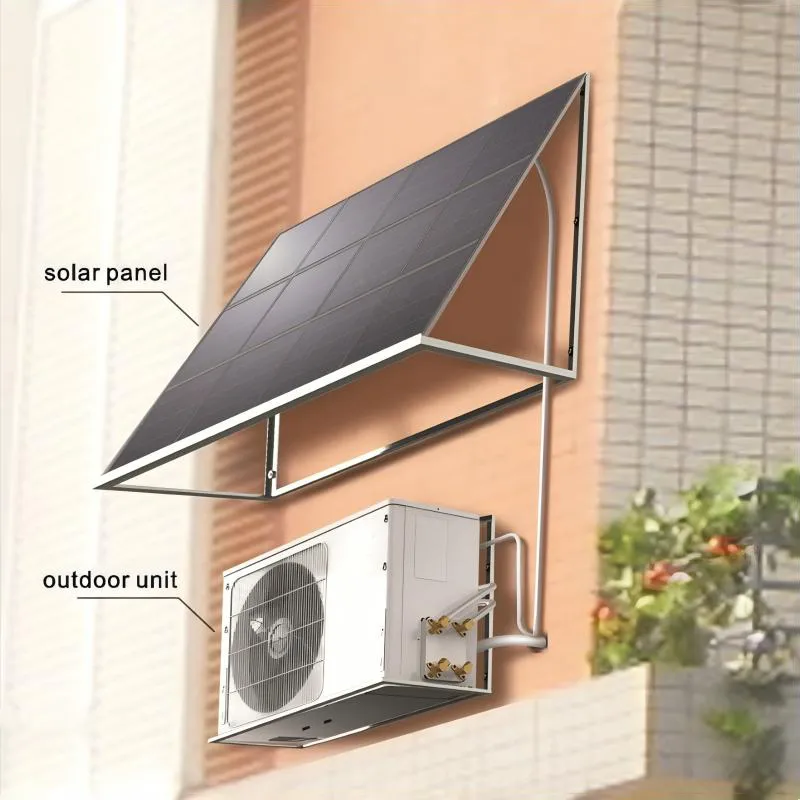
Proper installation is critical for maximizing the performance and safety of the system. The solar panel array must be sized to meet the daytime cooling demand of the unit. A typical one-ton capacity unit requires a photovoltaic array with a specific peak power output. This translates to a certain number of modern, high-efficiency solar panels. The unit includes a built-in inverter that handles the conversion and grid synchronization, which eliminates the need for a separate external inverter. The wiring must comply with all local electrical codes and match the manufacturer's specifications.
Grid-Tied vs. Off-Grid Configurations
The decision between a grid-tied and an off-grid configuration is a key consideration. A grid-tied setup offers the best balance of reliability, affordability, and return on investment for most homes. The system draws supplemental power from the grid only when solar output falls short, ensuring uninterrupted cooling. The payback period for a grid-tied system is relatively short. An off-grid setup, which requires larger solar arrays and substantial battery capacity, is more expensive and has a longer payback period. For the vast majority of residential users, the grid-tied configuration delivers superior performance without sacrificing energy independence goals.
The Role of Battery Storage
Battery storage is an optional component for the hybrid solar air conditioner. While it is not required for basic operation, adding a battery bank can provide extended runtime after sunset. However, the greatest efficiency gains of the system come from direct solar self-consumption during the day. The financial return on a battery is often lower unless the homeowner is subject to time-of-use electricity rates or experiences frequent grid instability.
How Quality Manufacturing Ensures Long-Term Performance
The long-term reliability of a hybrid solar air conditioner depends on the quality of its components. The precision of the MPPT controller, the efficiency of the DC compressor, and the durability of the rectifier all contribute to the system's ability to operate seamlessly between solar and grid power. Manufacturers who adhere to recognized quality standards, such as ISO 9001, subject their units to rigorous performance testing under a variety of conditions. For a homeowner who is investing in a system to reduce energy costs and enhance comfort, partnering with a disciplined, quality-focused manufacturer provides the ultimate confidence that the equipment will perform reliably for years.