
 EN


Real-World Heating Times for Common Foods in Solar Cookers
For those who have embraced solar cooking, understanding how long it takes to prepare common meals is essential for planning the day. Unlike a gas or electric stove, which delivers consistent power at the flip of a switch, a solar cooker depends on the sun. The heating time is influenced by a complex interplay of factors, including the intensity of the sunlight, the angle of the cooker relative to the sun, and the physical properties of the food being prepared. A pot of water may boil quickly on a clear, sunny afternoon, while a dense root vegetable may take much longer. By understanding these variables, users can plan their meals strategically and get the most out of their solar cooker. This guide explores the typical heating times for water, rice, and yam, explains why these times can vary so widely, and highlights the design features that can accelerate the cooking process.
Heating Time Benchmarks for Common Foods
Controlled testing has established reliable benchmarks for cooking common foods in standard solar cookers. Under clear skies with strong sunlight, one liter of water typically reaches a rolling boil in a predictable timeframe. Starchy foods, which absorb energy differently, require a more nuanced approach. White rice, prepared with a standard water-to-grain ratio, reaches a safe cooking temperature within a specific window when the cooker is properly aligned. Dense root vegetables, such as yam, present a greater challenge. A portion of yam, cut into uniform cubes to ensure even heat penetration, achieves a soft texture in a longer timeframe under the same sunny conditions. Comparative field studies have consistently shown that parabolic cookers outperform box-type designs for these dense foods, especially when the reflectors are kept clean and the tracking is adjusted regularly.
The Impact of Sun Angle and Weather on Cooking Time
Even with the same cooker model, the time required to cook a meal can vary by a significant margin. The angle of the sun relative to the cooker is the single largest variable. If the cooker is not aligned perfectly, the usable sunlight that reaches the cooking vessel is drastically reduced. A shift from the optimal angle can cut the effective irradiance by nearly half. Cloud cover and atmospheric haze scatter direct sunlight, which can effectively double the time required for a simple task like boiling water. User technique also plays a critical role. A cooker that is not preheated before the food is loaded loses valuable thermal energy. A lid that does not seal tightly allows heat to escape rapidly. Stirring high-moisture foods like rice is essential to ensure even heating. Surveys of solar cooker users consistently reveal that those who report extremely long cooking times often admit to not adjusting the tilt of the cooker regularly, or to opening the lid frequently during the cooking process.
How Food Properties Influence Heating Speed
The physical characteristics of the food itself dictate how quickly solar energy can be absorbed. Thermal mass, which is the total heat capacity of the food, is often the dominant factor. A denser, heavier mass requires significantly more energy to raise its temperature to the cooking point. For example, yam has a relatively low moisture content and high thermal mass. This means it heats slowly from the outside in. In a standard box cooker, dense yam is a test of patience. In contrast, rice absorbs water as it cooks. This process changes its thermal properties, making it more conductive and enabling more uniform heat penetration. The surface moisture of the food also matters. Noodles, which are typically boiled in a large volume of water, benefit from the high convective heat transfer of the liquid. This allows them to cook much faster than dense, dry foods.
The Role of Cooker Design in Accelerating Cooking
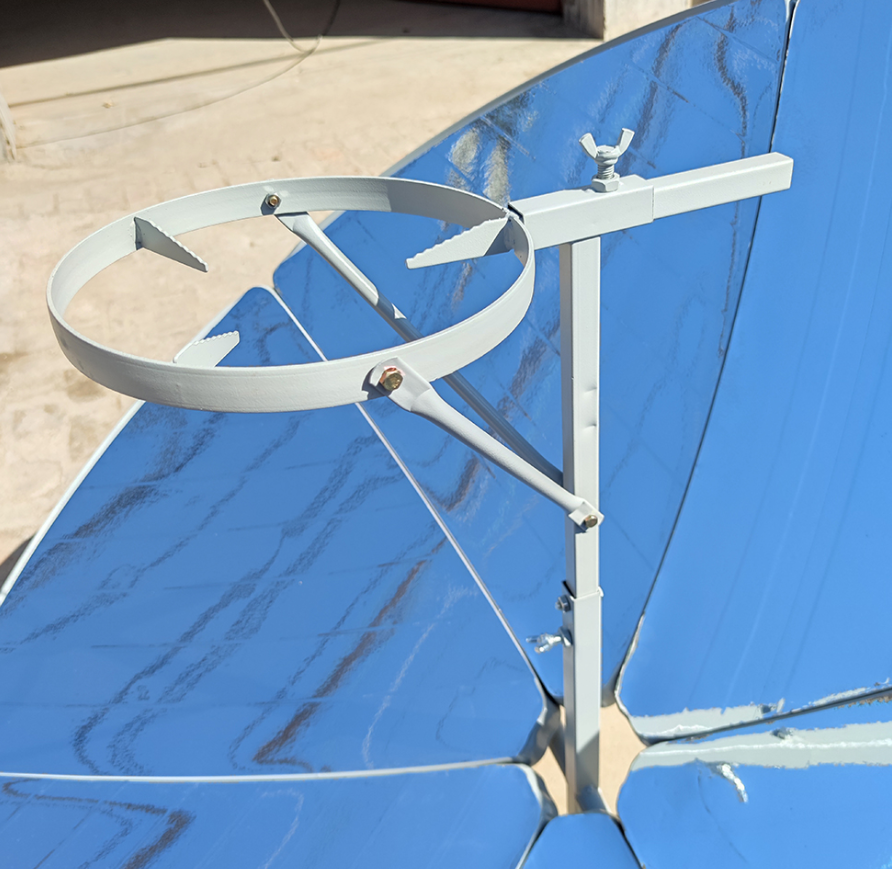
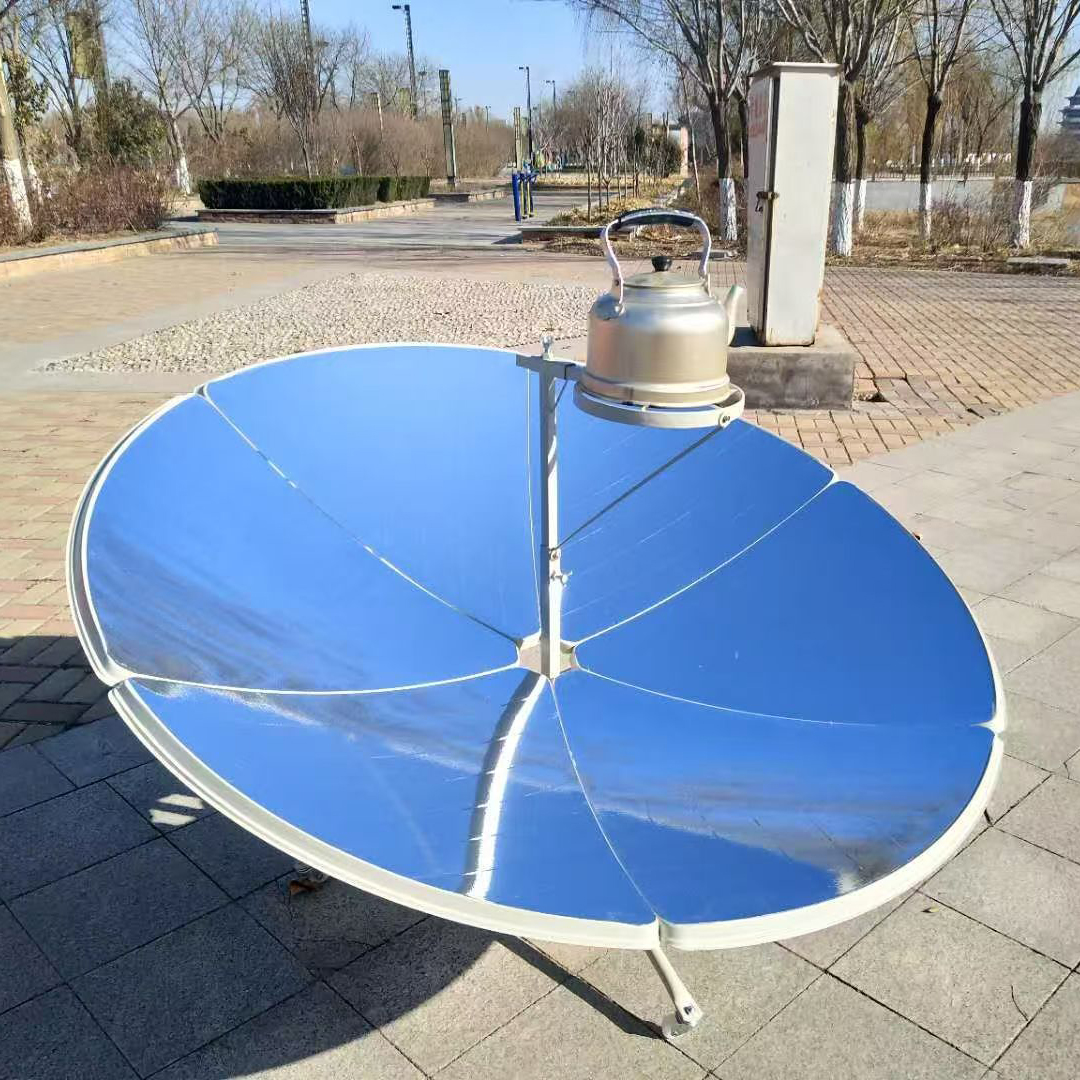
The design of the solar cooker has a direct impact on how quickly it can prepare food. The Demax solar cooker is engineered with three synergistic features that work together to shorten cooking times. The first is the reflective geometry. A precisely engineered parabolic or multifaceted reflective surface concentrates sunlight onto the cooking vessel. This concentration raises the energy flux and allows the cooker to achieve high temperatures, even in moderate conditions. The second feature is a double-glass lid. This lid traps infrared radiation inside the cooking chamber. It creates a greenhouse effect that minimizes the loss of radiant and convective heat. The third feature is thick, continuous insulation around the pot. This insulation reduces the escape of conductive heat. Together, these features reduce cooking time compared to basic box cookers with single-glazed lids and lighter insulation.
Comparing Cooker Types: Speed vs. Reliability
The Demax solar cooker, which features an insulated box design, occupies a practical middle ground between the raw speed of parabolic reflectors and the simplicity of panel cookers. A parabolic model can boil water very quickly on a clear day. However, its performance drops sharply with even light cloud cover, because it has minimal heat retention. Panel cookers are affordable and portable, but they typically require much longer to reach pasteurization temperatures and struggle to hold them once the sunlight wanes. The Demax model, with its double-glass lid and sealed insulation, creates a mini-greenhouse that sustains cooking through brief periods of cloud cover. This reliability is a distinct advantage over the purely parabolic or purely panel designs. For many users, the ability to maintain cooking progress through a passing cloud is more valuable than the absolute peak speed of the cooker.
Creating a Strategy for Efficient Solar Cooking
To get the most out of a solar cooker, users should adopt a strategic approach to meal planning. Foods with low thermal mass and high moisture content should be paired with denser items. Starting the dense, slow-cooking yam early in the day allows it to finish by midday. The faster-cooking rice and noodles can then be prepared later. By sequencing the cooking process, the user can ensure that a complete, multi-course meal is ready by lunchtime, all powered by the sun. Attention to detail is also essential. Keeping the reflective surfaces clean and dust-free ensures maximum energy capture. Adjusting the tilt of the cooker every fifteen to twenty minutes to track the sun's movement maintains optimal alignment. Opening the lid only when necessary preserves the heat that has been accumulated.
How Quality Manufacturing Enhances Solar Cooking Performance
The long-term performance of a solar cooker depends on the quality of its manufacturing. The reflectivity of the polished surface, the airtightness of the double-glass lid, and the integrity of the insulation all contribute to the cooker's ability to capture and retain heat. Manufacturers who adhere to recognized quality standards, such as ISO 9001, subject their products to rigorous testing under a variety of conditions to ensure consistent performance. For a user who is investing in a solar cooker to reduce their reliance on fossil fuels, partnering with a disciplined, quality-focused manufacturer provides the ultimate confidence that the equipment will perform reliably for years.