
 EN


Optimizing Solar Module Orientation for Maximum Annual Energy Yield
For homeowners and installers investing in solar energy, the physical orientation of the solar modules is one of the most critical decisions affecting long-term performance. The sun does not follow a fixed path across the sky. Its altitude and azimuth change continuously throughout the day and shift significantly from season to season. In the summer, the sun climbs high and traces a long arc across the sky. In the winter, it stays low and arcs briefly. A solar module that is fixed in place must be oriented to capture the maximum amount of sunlight over the course of an entire year. This requires a careful balance between the summer and winter sun paths. Understanding the principles of sun path analysis, the rules for optimizing tilt and azimuth, and the methods for assessing and mitigating shading is essential for achieving the maximum return on a solar investment.
The Geometry of the Sun Path and Seasonal Variation
The sun's path across the sky is defined by two key angles: altitude and azimuth. Altitude is the angle of the sun above the horizon. Azimuth is the compass direction of the sun. Both of these angles vary predictably based on the time of day and the season of the year. At the equator, the sun passes nearly overhead year-round, which simplifies the orientation of the solar modules. However, at higher latitudes, the seasonal variation is dramatic. The solar altitude at noon can swing by a wide angle between the summer solstice and the winter solstice. This dramatic shift means that a module fixed at a single angle will capture the most sunlight in the summer, but will significantly underperform in the winter when the sun is low. The goal of orientation optimization is to find the single tilt angle that provides the best compromise between these seasonal extremes.
Optimizing Azimuth and Tilt for Your Latitude
The azimuth of a solar module is its compass direction. In the Northern Hemisphere, the sun is generally located to the south. Therefore, a module that is oriented to true south will capture the most annual sunlight. A deviation to the east or west will reduce the total annual yield. For sites where a true south orientation is not possible due to roof design or obstructions, a southeast or southwest orientation can still deliver most of the optimal performance.
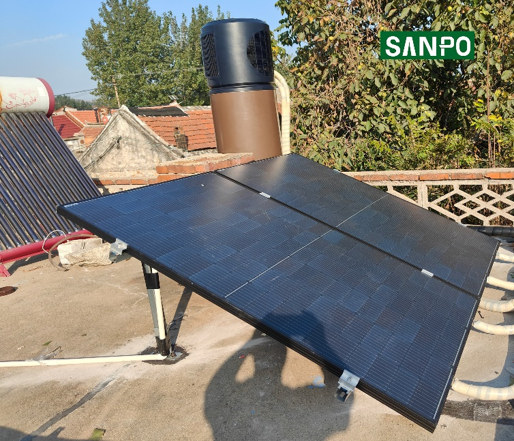
The tilt of a module is its angle relative to the horizontal plane. A general rule of thumb for year-round performance is to set the tilt angle equal to the local latitude. This provides a good balance between summer and winter production. However, a more refined optimization can be achieved by adjusting the tilt slightly based on the specific location. For locations within a specific latitude band, adding a few degrees to the latitude can increase the annual yield. This is because the extra tilt improves winter performance without significantly reducing the summer output. For users who are willing to make seasonal adjustments, changing the tilt by a set amount in the winter and by a similar amount in the summer can further boost production by optimizing the angle for the specific season.
The Critical Impact of Shading on Solar Performance
Shading is one of the most significant yet preventable causes of solar underperformance. Even a small amount of partial shade on a single module can significantly reduce the output of an entire string of modules. This is due to the way solar modules are wired together in series. When one module is shaded, it acts as a bottleneck, restricting the flow of current through the entire string. Therefore, a thorough shading analysis is an essential step in any solar installation.
Accurate shading assessment begins with professional-grade tools. A tool like the Solmetric SunEye captures a calibrated fisheye image of the site's skyline. This image is used to generate a solar access plot that quantifies the shading percentages from trees, chimneys, and neighboring structures. This on-site data can then be integrated with modeling software like NREL's PVWatts Calculator. By combining the measured obstruction profile with local weather data and module specifications, the software can model the system's performance. This analysis reveals whether a seemingly minor obstruction will disproportionately erode the annual yield.
Practical Strategies for Shading Mitigation
Once the shading sources have been identified, the next step is to mitigate them. The most cost-effective strategy is often tree trimming. Removing overhanging branches can eliminate the seasonal shading that significantly reduces output during the spring and fall. For roof-mounted arrays, strategic placement can avoid the permanent shadows cast by roof features like dormers and vent pipes. However, it is not always possible to relocate the modules to avoid all shade. In these cases, the use of module-level power electronics can help. Microinverters or DC optimizers decouple the performance of individual panels. This means that a shaded panel will not drag down the performance of the rest of the string. While modern modules include bypass diodes, these offer only limited protection under heavy or uneven shading. Regular reassessment of the site is also important to account for the growth of newly planted trees or new construction.
Roof-Specific Installation Guidelines
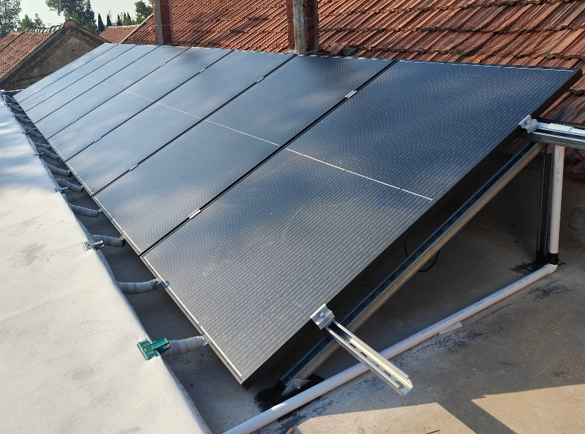
The physical installation of the solar modules must be engineered to match the specific characteristics of the roof. The roof pitch influences the tilt strategy. A steep roof may naturally approximate the ideal tilt angle, while a low-slope roof will require the use of tilt racks. The roofing material dictates the mounting methodology. A standing seam metal roof supports non-penetrating clamp systems, which preserve the waterproofing integrity of the roof. An asphalt shingle roof requires flashed anchors that are fastened directly into the rafters. A tile roof requires specialized brackets that distribute the load across multiple tiles. The structural capacity of the roof is a non-negotiable safety requirement. Solar modules add significant dead load to the roof, and the wind and snow loads must be considered. A certified structural engineer must verify that the roof framing is adequate to support the added weight. Proper load-path design is essential for preventing deflection, leaks, and premature failure.
The Importance of Quality Components and Installation
The long-term performance and safety of a solar array depend on the quality of the components and the skill of the installation. The durability of the mounting hardware, the efficiency of the modules, and the integrity of the electrical connections all contribute to the system's ability to generate power reliably. Manufacturers who adhere to recognized quality standards, such as ISO 9001, subject their products to rigorous testing to ensure they can withstand decades of outdoor exposure. For a homeowner who is making a long-term investment in solar energy, partnering with a disciplined, quality-focused manufacturer and installer provides the ultimate confidence that the system will perform as expected for its entire 25-year service life.