
 EN



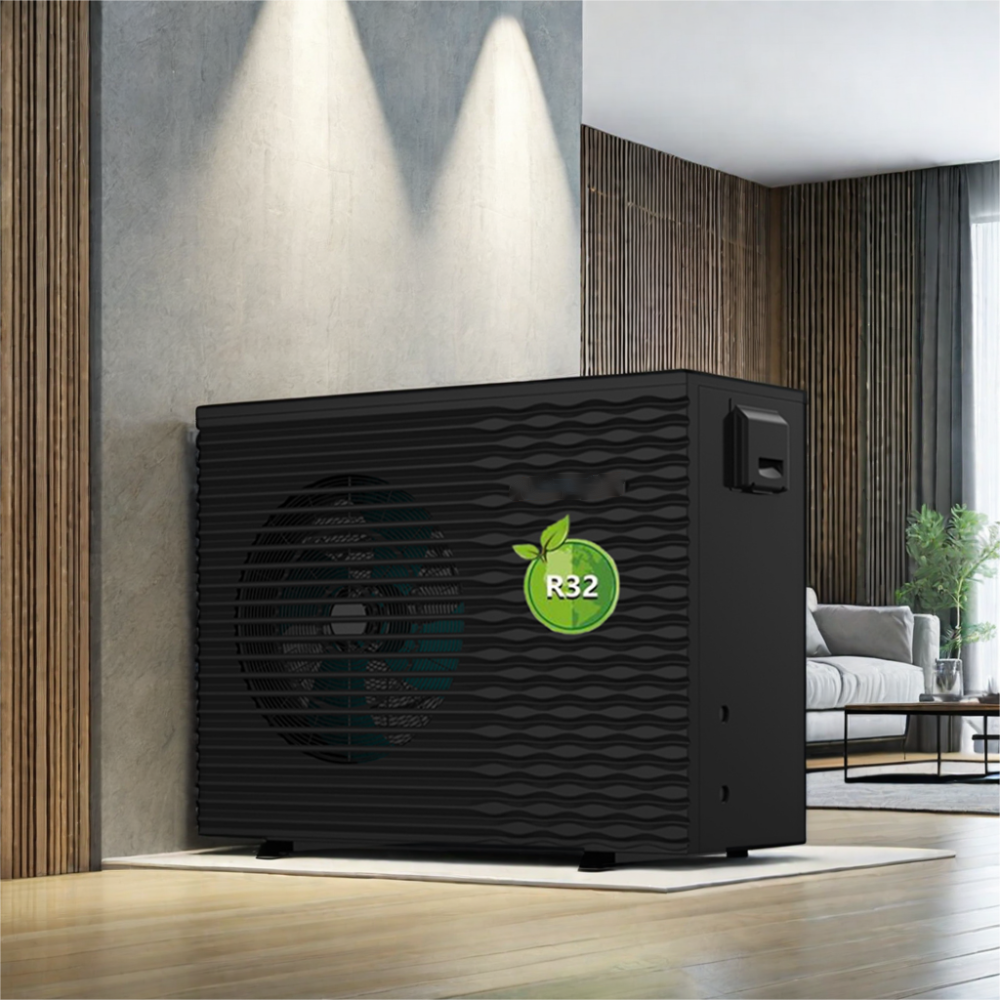
The Dual-Function Advantage of Demax Heat Pumps for Home Heating and Hot Water
For homeowners and builders designing modern, energy-efficient homes, the selection of the heating system is a foundational decision. Traditionally, a home required two separate systems: one for space heating and another for domestic hot water. This approach doubled the equipment footprint, increased installation costs, and complicated maintenance. Demax has engineered a solution that consolidates these two functions into a single outdoor unit. The Demax dual-function heat pump is designed to simultaneously deliver warm water to radiators or underfloor heating loops while also heating the domestic hot water tank. This capability is enabled by a sophisticated hydraulic module and intelligent control logic. Understanding how this system operates, its thermodynamic design, and its real-world performance is essential for anyone considering a high-efficiency, all-in-one heating solution.
The Engineering of Simultaneous Heating and Hot Water Delivery
The Demax dual-function heat pump achieves its simultaneous capability through a cleverly engineered refrigerant circuit. When the system detects a demand for domestic hot water, a three-way valve diverts the hot refrigerant to a dedicated heat exchanger that rapidly heats the water in the storage tank. While this is happening, the system continues to supply lower-temperature water to the space heating loops. This parallel operation is enabled by a refrigerant circuit that is designed to serve two distinct temperature zones without any cross-contamination. The control board prioritizes the domestic hot water demand to ensure that the tank is heated quickly, but it seamlessly resumes space heating once the hot water setpoint is reached. A buffer tank is used to stabilize the dynamics of the system, absorbing short-cycling and ensuring that the heating circuits receive a consistent supply of warm water. This integrated approach eliminates the need for a separate water heater, significantly reducing both the installation cost and the physical footprint.
The Thermodynamic Design for Dual-Temperature Output
The primary thermodynamic challenge for a dual-function heat pump is bridging the gap between the condensing temperature required for space heating and the higher temperature required for domestic hot water. A conventional single-stage heat pump becomes significantly less efficient when it is forced to produce high-temperature water. To overcome this, Demax dual-function units utilize enhanced vapor injection technology. This advanced cycle injects a portion of saturated refrigerant vapor into the compressor at an intermediate pressure. This process lowers the discharge temperature and extends the compressor's lift capacity. As a result, a single compressor can operate efficiently across both the low-temperature heating zone and the high-temperature hot water zone. The system's control logic uses a cascade approach to optimize performance. During periods of low heating demand, the system runs at part load with a high evaporation temperature to maximize its efficiency. When domestic hot water is needed, the control logic increases the compressor frequency and opens the economizer valve to safely reach the higher temperature.
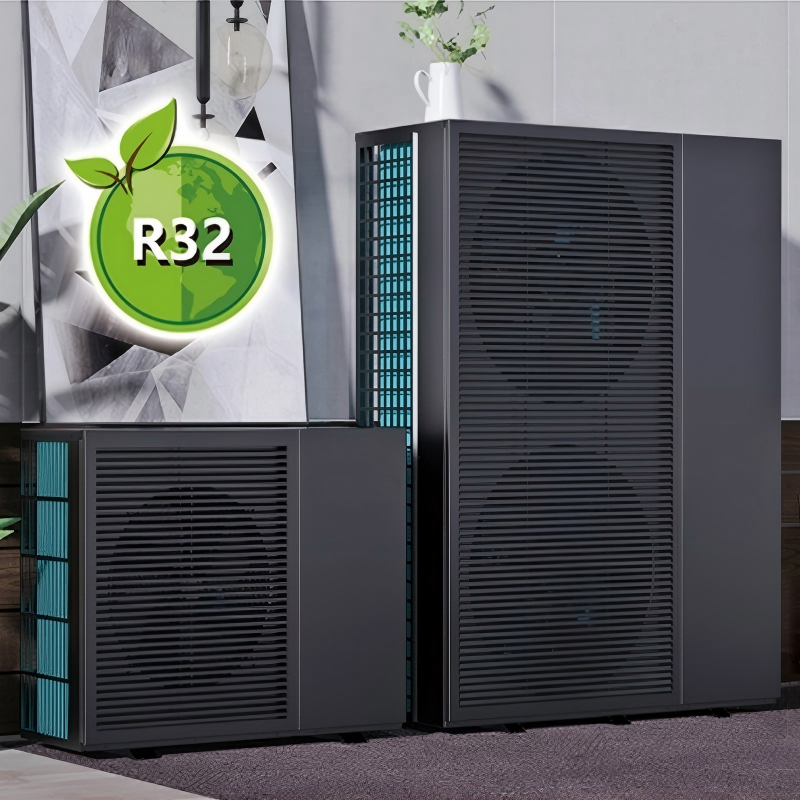
Smart Control and Load Prioritization
The intelligence of the Demax iQ-Control platform is what makes the dual-function system practical and efficient. The control system constantly monitors real-time data from sensors located in the buffer tank, the domestic hot water cylinder, and the outdoor environment. When both space heating and hot water are required, the system prioritizes the domestic hot water. This ensures that the stored water is heated rapidly to the target temperature, even during peak winter demand, without compromising indoor comfort. When the hot water setpoint is reached, the system automatically switches back to the space heating loop. This priority logic prevents the system from trying to perform both functions inefficiently at the same time. Furthermore, the platform includes an embedded learning algorithm. This algorithm predicts the household's usage patterns and preheats the hot water tank during off-peak hours, further enhancing the overall efficiency.
The Economic and Space-Saving Benefits
One of the most compelling arguments for the Demax dual-function heat pump is its ability to simplify the home's mechanical system. By replacing a separate boiler and water heater with a single outdoor unit, the installation is faster and less complex. The physical footprint of the equipment is dramatically reduced, freeing up valuable space inside the home. The unified control system simplifies operation and maintenance. Furthermore, a single, high-efficiency heat pump is often more cost-effective to operate than a system that relies on two different fuel sources. By enabling the heat pump to operate continuously at its optimal conditions, the system avoids the inefficiencies of frequent high-temperature cycling.
Real-World Performance in a Cold Climate
The performance of the Demax dual-function heat pump has been validated in real-world installations, including in the harsh winters of northern Europe. In one field study, a large capacity air-source heat pump was used to replace an old oil boiler in an apartment building. Over the course of a full heating season, the system was carefully monitored. The results showed that the heat pump maintained a high seasonal coefficient of performance while providing both space heating and domestic hot water. During the coldest periods, the system delivered hot water at the target temperature without any auxiliary support. The upgrade resulted in a dramatic reduction in annual energy consumption compared to the old oil system, and the payback period for the investment was achieved in a few years.
The Role of Auxiliary Heating in Extreme Conditions
In most applications, a properly sized Demax heat pump is capable of reaching standard hot water temperatures without any backup. However, in extremely cold climates, a small in-line electric booster can be used to achieve a slightly higher temperature, which is often recommended for legionella mitigation. The need for this auxiliary boost depends on the specific ambient conditions. In the Nordic field study, the heat pump alone was able to sustain the standard temperature at a very low ambient temperature. When the outdoor temperature fell even further, the electric element was used to raise the final hot water temperature. The impact on the overall efficiency was modest, as the auxiliary heating was only needed during brief, extreme cold spells.
How Quality Manufacturing Ensures Long-Term Reliability
The long-term reliability of a dual-function heat pump depends on the quality of its engineering and manufacturing. The precision of the compressor, the efficiency of the heat exchanger, and the durability of the control board all contribute to the system's ability to operate efficiently for years. Manufacturers who adhere to recognized quality standards, such as ISO 9001, subject their units to rigorous performance testing under a variety of conditions. For a homeowner who is investing in a system to provide both heating and hot water for decades, partnering with a disciplined, quality-focused manufacturer provides the ultimate confidence that the equipment will perform reliably season after season.