
 EN



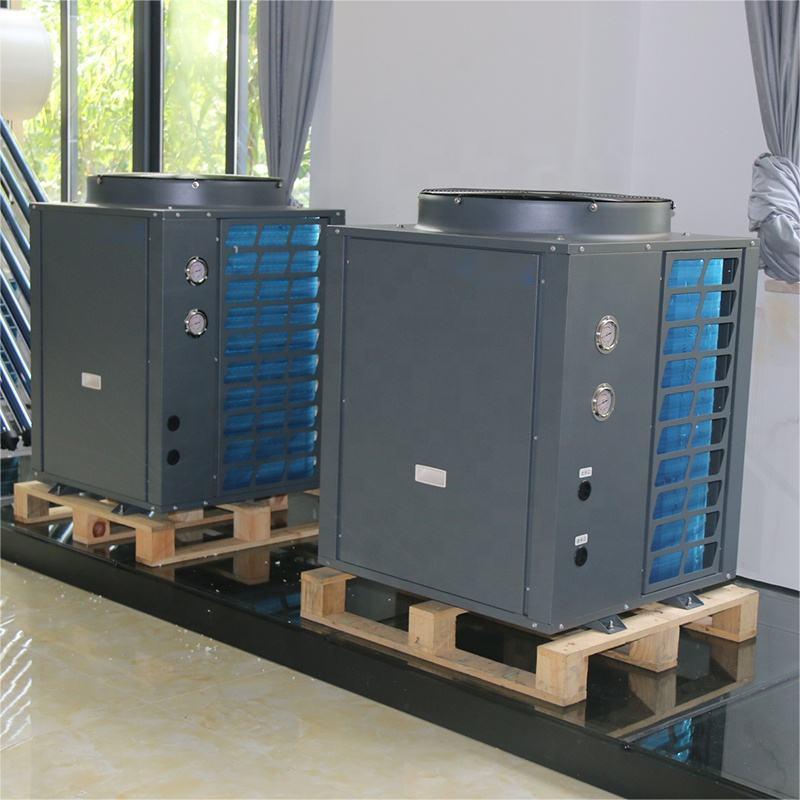
Modern Heat Pump Technologies for Efficient and Sustainable Climate Control
For homeowners, builders, and facility managers, the choice of a heating and cooling system is one of the most impactful decisions for both long-term comfort and operational cost. The heat pump has emerged as the leading technology for achieving high efficiency and reducing carbon emissions. Unlike a traditional furnace that burns fuel to generate heat, a heat pump uses electricity to transfer thermal energy from a source to a sink. This fundamental difference makes heat pumps inherently more efficient than combustion-based systems. Over the past decade, advancements in compressor technology, refrigerant chemistry, and smart controls have expanded the capabilities of heat pumps. They are now viable in a wide range of climates and applications, from single-family homes to large district heating networks. Understanding the differences between air-source, ground-source, and water-source systems is the first step in selecting the optimal solution for a specific project.
The Versatility of Air-to-Water Heat Pumps
Air-to-water heat pumps have become a popular choice for residential and light commercial applications in Europe and beyond. These systems extract thermal energy from the outdoor air and transfer it to a hydronic distribution network. This network can deliver heat to radiators, underfloor heating loops, or fan coil units. The use of a hydronic system is a key differentiator from air-to-air heat pumps, which condition the indoor air directly. By using water as the distribution medium, air-to-water systems simplify the integration of domestic hot water production and provide a stable, comfortable heat source. The performance of an air-to-water heat pump is highly dependent on the outdoor temperature. However, modern inverter-driven compressors can modulate their speed to match the varying thermal demand. This capability prevents the energy-wasting short-cycling that plagues fixed-speed units and allows the system to maintain high efficiency even during the transitional seasons of spring and autumn.
High Efficiency in Cold Climates
A common misconception is that air-source heat pumps lose their effectiveness in cold weather. Advanced models are now engineered to extract usable heat from the outdoor air even when the temperature drops significantly below freezing. The key to this performance is enhanced vapor injection technology. This advanced cycle allows the compressor to maintain a high output capacity and coefficient of performance at low outdoor temperatures. The result is a system that can provide reliable heating and domestic hot water even in the harsh winters of northern Europe. The efficiency of these units is validated through standardized testing, which produces a coefficient of performance that indicates how many units of heat are delivered for every unit of electricity consumed. In the field, these systems achieve impressive seasonal performance factors, significantly reducing energy consumption compared to oil or gas boilers.
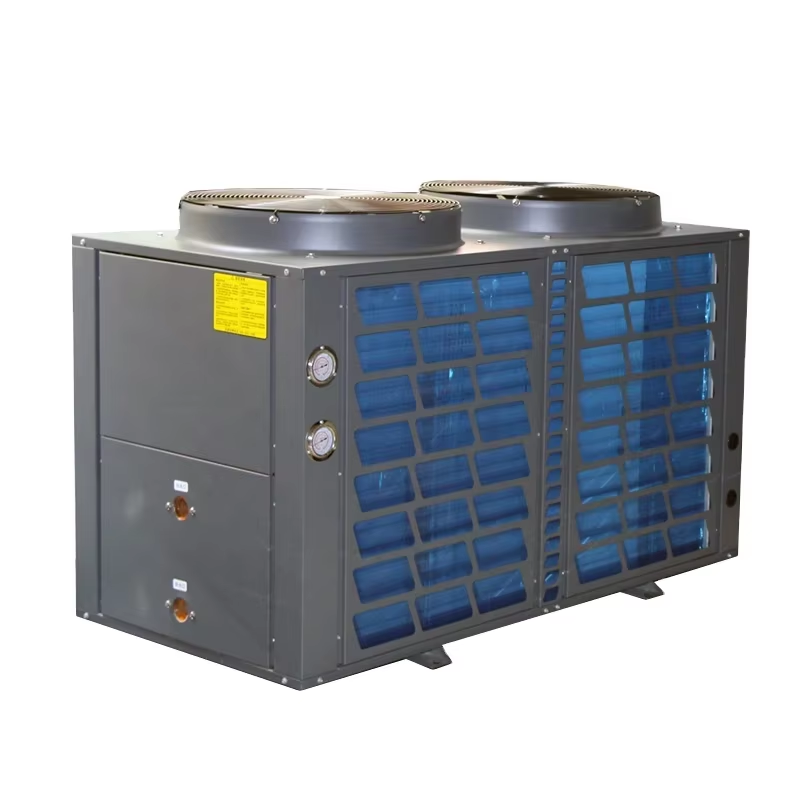
Ground-Source Heat Pumps: Harnessing the Earth's Stable Temperature
While air-source heat pumps draw energy from the variable outdoor air, ground-source systems, also known as brine-to-water heat pumps, leverage the stable temperature of the earth. At a depth of a few meters, the ground temperature remains relatively constant year-round. A ground loop, which is a network of pipes buried in the earth, circulates a fluid that absorbs this thermal energy. This fluid is then used by the heat pump to provide heating in the winter and cooling in the summer. The stability of the ground temperature gives ground-source systems a significant efficiency advantage over air-source systems. The coefficient of performance for a well-designed ground-source system is often much higher, meaning it consumes significantly less electricity. While the installation cost is higher due to the drilling or excavation required for the ground loop, the long-term operational savings are compelling, particularly for larger homes or commercial buildings.
Ground Loop Design: The Foundation of Performance
The design of the ground loop is the most critical factor determining the performance and longevity of a ground-source heat pump. The loop can be configured in a few different ways, depending on the available land and the local geology. A horizontal loop, which is installed in shallow trenches, is often the most cost-effective option for properties with ample land. A vertical loop, which consists of pipes inserted into deep boreholes, is preferred when land is limited. The depth and length of the boreholes must be carefully calculated to match the heating and cooling load of the building. A poorly designed loop will result in inadequate heat transfer, which will cause the system's efficiency to drop. A professional geothermal engineer should conduct a thermal response test to determine the thermal conductivity of the soil and to size the loop accurately.
Water-Source Heat Pumps for Large-Scale Applications
For district heating networks and large industrial processes, water-source heat pumps offer a scalable and highly efficient solution. These systems draw thermal energy from large, stable bodies of water, such as aquifers, rivers, lakes, or even seawater. The temperature of these water sources remains relatively constant throughout the year, which allows the heat pump to maintain a high coefficient of performance. In a district heating application, a large water-source heat pump can supply hot water to a network of buildings, displacing fossil fuel boilers. When the system is powered by renewable electricity, the carbon intensity of the heating network is drastically reduced. These systems are also used for industrial waste heat recovery, capturing thermal energy that would otherwise be lost and upgrading it for use elsewhere.
Integrated Systems for Space Conditioning and Hot Water
Modern heat pump technology has evolved to the point where a single unit can handle all of a building's thermal needs. A residential system can simultaneously provide space heating, space cooling, and domestic hot water. This integrated approach simplifies the installation, reduces the equipment footprint, and improves overall efficiency. The system uses a smart controller to prioritize the hot water demand while still maintaining comfort in the living spaces. By operating at low supply temperatures, these integrated systems maintain a high coefficient of performance even when producing domestic hot water. This capability eliminates the need for a separate water heater, which is a significant source of energy consumption in many homes.
The Role of Smart Controls in Modern Heat Pumps
The efficiency of a modern heat pump is not solely a result of its mechanical components. The control system plays an equally vital role. Cloud-connected controllers can access weather forecasts and adjust the heating curve proactively. They can also integrate with on-site solar panels to prioritize the use of self-generated electricity. In hybrid systems, the controller can dynamically decide whether to run the heat pump or a backup gas boiler, based on the current outdoor temperature and the relative cost of electricity and gas. These intelligent controls ensure that the system operates at its highest possible efficiency at all times, maximizing the return on investment for the homeowner.
How Quality Manufacturing Guarantees Long-Term Reliability
The long-term performance of a heat pump depends heavily on the quality of its components. The reliability of the compressor, the efficiency of the heat exchangers, and the durability of the control board all contribute to the system's ability to operate efficiently for years. Manufacturers who adhere to recognized quality standards, such as ISO 9001, subject their units to rigorous performance testing under a variety of conditions. For a homeowner or facility manager who is investing in a high-efficiency system to reduce energy costs, partnering with a disciplined, quality-focused manufacturer provides the ultimate confidence that the equipment will perform reliably for decades.