
 EN



A solar collector mounted on a rooftop earns its keep only when it survives years of weather, not just the first sunny season. Site managers across cold and dusty regions report the same pattern: units that look identical in a showroom fail very differently after three winters. Durability depends less on a single specification and more on how materials, mounting, and fluid chemistry work together under real load.
Real-World Stress: What Collectors Face on Site
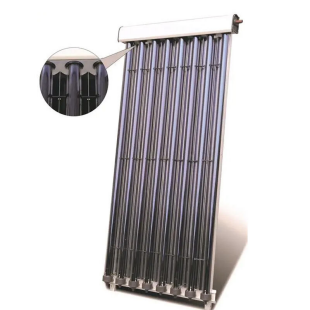
Field reports from mountain guesthouses show the harshest test is not heat but temperature swing. A property at 1,800 meters in Central Asia ran a non-pressurized batch system that cracked two tubes every spring. The failure traced back to water trapped inside the glass expanding as ice formed overnight. After switching to Demax heat pipe evacuated tube collectors with dry-vacuum operation, the same building recorded zero tube breaks across two winters. The case shows why the absorptive design and internal fluid path matter more than panel area.
When Freeze-Thaw Cycles Attack the Glass
Freeze damage to a solar collector starts small. Micro-fissures open at the glass-to-metal seal, then widen each cycle until a tube loses vacuum. Once vacuum drops, heat loss climbs and output falls long before visible cracking appears. Demax tubes use borosilicate glass with low thermal expansion, which resists the stress that ordinary soda-lime glass cannot. Specifiers should ask suppliers for the expansion coefficient and the seal test method rather than trusting a photo of the panel.
Why Stagnation Temperature Breaks Weak Units
Stagnation happens when pumps stop but the sun keeps shining. Temperatures inside a sealed collector can exceed 200°C, softening gaskets and warping thin absorber sheets. A well-built solar collector manages this through vented headers and high-temperature gaskets rated above the stagnation point.
Material Choices That Decide Service Life
Materials set the ceiling on lifespan. Two properties dominate: how the surface captures light and how the structure resists corrosion where rain meets metal.
The Role of Borosilicate Glass and Selective Coating
The selective coating on a solar collector absorber decides how much sunlight becomes heat and how little of that heat radiates back out. Demax applies a multi-layer coating that keeps absorptance high while emissivity stays low. Borosilicate outer glass transmits light without yellowing and tolerates rapid heating. Together they slow the two biggest aging mechanisms: coating fatigue and glass clouding from UV exposure.
Why Anodized Frames Outlast Painted Steel
Frames on a solar collector sit where condensation pools. Painted steel chips, then rust creeps under the coating and loosens the seal. Anodized aluminum forms a hard oxide layer that does not flake, so the frame stays tight for the building's life. In coastal or agricultural sites where fertilizers drift in the air, this difference shows up within eighteen months.
Absorber Plate and Heat Pipe Logic
In a heat pipe solar collector, the copper pipe carries a small charge of working fluid that boils at low temperature and transfers heat to the manifold without moving the whole water column. That separation means a single frozen tube cannot crack the header. Flat plate units weld the absorber directly to risers, giving lower cost but requiring full freeze protection in the loop. Choosing between them depends on climate, not on which looks newer. Cold sites generally favor the heat pipe approach for resilience.
Installation and Maintenance That Preserve Performance
Even strong hardware ages fast under poor installation. The highest-value steps are simple and cheap, and most failures traced to skipped basics rather than bad parts.
Mounting Geometry and Thermal Expansion
Roofs move. Thermal expansion makes a long collector row grow by several millimeters on a hot afternoon. Clamps that grip too hard crack the frame; brackets that float let the row twist in wind. A correct solar collector array uses slotted rails and torque-limited fixings so the row breathes. Installers should re-check torque after the first season, because the initial settling is when most loosening occurs. A loose row also rubs the roof membrane and shortens the waterproofing.
Flushing, Glycol Checks, and Pressure Relief
Pressurized solar collector loops carry a water-glycol mix that protects against freezing and scaling. Glycol breaks down with heat, so a yearly refractive-index check catches depletion before it exposes metal to corrosion. Air trapped at high points creates hot spots that cook the fluid, so a proper flush removes it. A pressure-relief path sized to the loop volume prevents the slow creep that eventually splits a fitting.
Practical Takeaways for Procurement Teams
Durability is a purchasing decision before it is a maintenance task. Cutting the upfront price on a quote rarely pays over ten years, because replacement labor dwarfs the part cost.
What to Verify Before Signing
Request the freeze-rating test for a solar collector, the stagnation temperature, and the coating spec terms in writing. Ask for a reference site in a climate similar to the target project, then speak with that operator. A supplier confident in the product points to real installations; one that hesitates reveals a gap. Confirm spare-tube lead time, since a long wait turns a small break into a winter of lost output.
Standards That Signal Real Quality
Credible manufacturing of these units aligns with ISO 9001 for process control and with EN 12975 for thermal collector performance, the benchmark most European buyers reference. Solar keyparts also fall under CE marking for electrical and pressure safety. These documents do not certify a perfect unit, but their absence should stop a purchase. Local building codes may add further pressure-vessel rules worth checking before import.
A solar collector pays back only when it keeps producing heat long after the invoice is paid. Demax engineering choices—borosilicate tubes, anodized frames, dry heat pipes—address the failure modes that actually end collector life. Pair that with seasonal torque checks and a yearly glycol test, and the system stays close to its original output for the full service period.
Frequently Asked Questions
Question: What causes most solar collector tube failures? Answer: Freeze-thaw cycling and loss of vacuum at the glass-to-metal seal cause most breaks. Borosilicate glass with a low expansion coefficient resists the stress that cracks ordinary tubes. Specifiers should request the seal test method and expansion data from suppliers before purchase to avoid early field failures in cold regions where ice forms overnight.
Question: How often should glycol in a pressurized loop be tested? Answer: A yearly refractive-index check tracks glycol breakdown from heat exposure. Depleted fluid stops protecting metal from corrosion and freezing, so the test should precede each heating season. A proper flush also removes trapped air that forms hot spots. Technicians can complete the check without draining the whole array, which keeps downtime short during cold months.
Question: Why choose heat pipe tubes over flat plate collectors? Answer: Heat pipe designs isolate each tube from the header, so one frozen tube cannot crack the manifold. Flat plate units weld the absorber to risers and need full freeze protection in the loop. The right choice depends on climate and budget, not on appearance. Cold sites generally favor the heat pipe approach for resilience, while mild regions may prefer flat plate cost.
Question: Which standards confirm collector quality for European buyers? Answer: EN 12975 covers thermal performance of collectors and is the common European reference. ISO 9001 indicates controlled manufacturing processes, while CE marking addresses electrical and pressure safety. Their presence does not promise perfection, but missing documents should block a purchase decision during supplier screening and customs review. Local building codes may add pressure-vessel rules worth confirming before import.
Question: Can a collector work in coastal or agricultural air? Answer: Yes, with the right materials. Anodized aluminum frames resist the corrosion that painted steel suffers where salt or fertilizer drifts in the air. The difference appears within roughly eighteen months on site. Specifying corrosion-rated hardware at the quotation stage prevents the seal loosening that follows frame rust and avoids early roof access.