
 EN



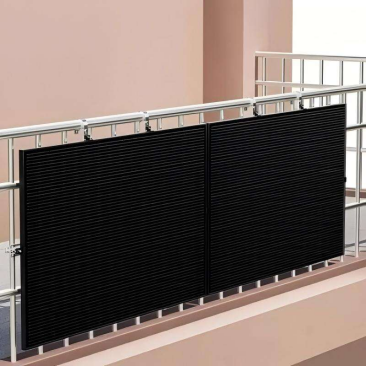
A solar power system for a home is no longer a novelty but a practical way to cut bills and ride through outages. Demax serves residential buyers with three clearly different layouts—grid-tied, hybrid, and off-grid—each built around the same photovoltaic modules but paired with different storage and control hardware. Picking the right one starts with how the house actually uses energy, not with which kit looks tidy on a brochure.
How a Home Solar Power System Actually Works
Before comparing layouts, it helps to see the energy path, because the weak link in any install is rarely the panel.
From Photons to Usable Current
A solar power system starts at the module, where light becomes direct current, but a house runs on alternating current. The gap is closed by an inverter that shapes the DC into grid-grade AC at the correct frequency. Modules lose output as they heat up, so roof colour, tilt, and shading matter as much as the nameplate wattage. A panel rated in a lab at 25°C can deliver noticeably less on a hot afternoon, and honest sizing accounts for that drop.
Why the Inverter Decides Comfort
The inverter is the brain. A basic string inverter treats the whole array as one, so one shaded panel drags the rest down. Microinverters or power optimizers let each module work independently, which suits roofs broken by chimneys or trees. For homes that want backup, the inverter must also manage charge and discharge of the battery without human action during a blackout. Comfort during an outage depends on this control more than on panel count.
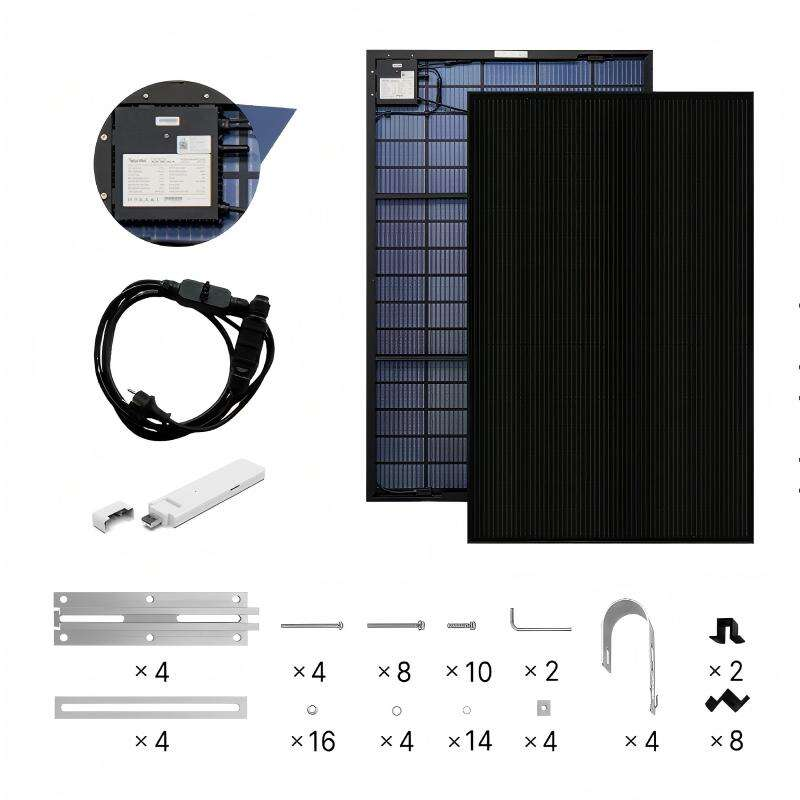
Grid-Tied, Hybrid, and Off-Grid Layouts
Each layout trades cost against independence, and the right answer follows the local grid.
Grid-Tied for Low Bills
A grid-tied solar power system sends surplus power to the utility and draws from it at night. Where net metering pays a fair rate, this is a low-cost path because no batteries are needed. The catch is that a grid-tied array without storage goes dark when the grid does, by design, to protect line workers. Households with stable power and fair tariffs gain the most here.
Hybrid with Battery Storage
A hybrid setup adds a battery and a hybrid inverter that switches modes automatically. By day the home runs on sun; excess charges the battery; at night or during a fault the battery carries the load. Demax wall-mounted storage in the 5kWh to 15kWh range fits apartments through larger villas, and the modular size lets the system grow with the household. This layout suits areas with occasional outages and rising evening rates.
Off-Grid for Remote Homes
An off-grid solar power system stands alone with no utility connection, relying on batteries and often a generator bridge. Demax off-grid stations bundle a small inverter, battery, and UPS into one case for cabins or backup corners. The discipline here is strict: every watt must be stored, so loads are trimmed and prioritized. Remote sites without poles nearby gain the most, because trenching power lines usually costs more than the array.
A Real Suburban Install That Ended Load Anxiety
Theory is useful, but a concrete case shows how the choice plays out.
The Problem: Frequent Outages
A suburban home on the edge of a growing town faced two to three outages a month, each lasting several hours, because the local feeder was overloaded by new construction. The family ran a fridge, well pump, and internet on a noisy petrol generator, burning fuel and enduring fumes. Bills stayed high because the grid tariff kept climbing, and the generator could not power the whole house at once.
The Solution and the Result
The home installed a Demax hybrid solar power system: a 6kW module array on the south roof, a 10kWh wall-mounted battery, and a hybrid inverter with automatic switchover. During the day the array covers the base load and tops the battery; when the feeder drops, the inverter moves the house to battery in under a second, silently. Over the first eight months the family bought roughly forty percent less grid energy and sat through every outage without restarting a generator. The case confirms that hybrid storage, not panel size, ends load anxiety.
Sizing and Sourcing Advice for Homeowners
Good outcomes come from measured sizing and careful supplier checks, not from the largest array a budget allows.
Reading the Load Profile
List the appliances that must run, with their watts and daily hours, then add the surge of motors like pumps and fridges. A solar power system should cover the critical load, not necessarily the whole house, which keeps battery cost sane. Review a year of bills to see seasonal swing; a home heavy on winter heating needs different storage than one with summer air-con peaks. Honest profiling prevents both undersized frustration and wasted spend.
Standards and Safety Checks
Residential photovoltaic equipment should meet IEC 62109 for inverter safety and IEC 61730 for module construction, the references most inspectors accept. CE marking covers the European market, while local wiring rules add earthing and isolator needs. Ask the supplier for the test reports and the battery cycle rating in writing. A unit without these papers creates risk that a low sticker price does not justify, especially where firefighters may cut the array loose.
A solar power system from Demax gives homes a clear path from bill reduction to full outage independence, depending on the layout chosen. Grid-tied trims cost where the utility is reliable; hybrid adds silent backup through storage; off-grid frees remote houses from poles entirely. Match the layout to the load profile, verify the standards, and the install pays back in comfort as much as in currency.
Frequently Asked Questions
Question: Which residential layout saves the most money upfront? Answer: A grid-tied solar power system costs the least because it needs no batteries, and net metering turns surplus into credit. It works best where the grid is stable and the tariff is fair. The trade-off is that the array shuts down during outages by safety design. Homes with rare blackouts gain the strongest early payback from this simpler layout.
Question: How large a battery does a typical home need? Answer: Battery size follows the critical load, not the whole house. List must-run appliances with watts and hours, add motor surge, then size storage to cover evening and outage use. Demax wall-mounted units from 5kWh to 15kWh suit most homes and can be added later. Oversizing wastes money, while honest profiling keeps cost sensible.
Question: Does a hybrid system switch to battery during blackouts? Answer: Yes. A hybrid inverter with automatic switchover moves the house to battery in under a second when the grid drops, with no action needed. The array keeps charging the battery by day. Comfort depends on this control logic more than on panel count, so confirm the transfer time and the backed-up circuits before purchase.
Question: What safety standards apply to home photovoltaic kits? Answer: IEC 62109 covers inverter safety and IEC 61730 covers module construction, both accepted by most inspectors. CE marking applies in Europe, and local rules add earthing and isolators. Request the test reports and battery cycle rating in writing, because missing papers create fire and compliance risk that a low price does not justify.
Question: Can an off-grid system replace a generator entirely? Answer: In many remote homes yes, if loads are trimmed and prioritized so the battery covers essentials. An off-grid setup stores every watt, so oversized motors are dropped or bridged. Where weeks of cloud are likely, a small generator backup still helps. The array usually beats trenching power lines on cost for isolated sites.