
 EN



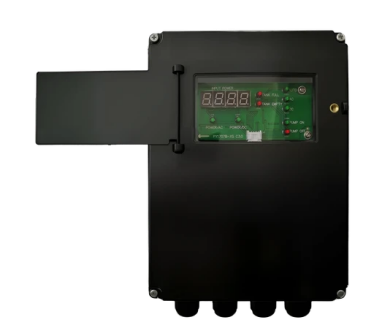
A solar water pump turns daylight directly into irrigation instead of burning fuel at the field edge. Demax supplies agricultural buyers with submersible, surface, and DC-driven models built around the same photovoltaic principle but tuned to different well depths, flow rates, and water sources. The right model follows the borehole and the crop, not the catalogue photo, because a pump sized to the wrong head wastes the very sun it was meant to capture.
How a Solar Water Pump Replaces the Diesel Routine
Diesel pumping ties the harvest to fuel price and a daily walk to the tank. A solar-driven alternative removes both, which is why adoption grows fastest where grids are weak.
The Photovoltaic-to-Flow Chain
A solar water pump starts here: sunlight hits the photovoltaic array and makes DC power; a controller shapes it to the motor; the motor spins the pump and lifts water. The key device between panel and pump is the MPPT controller, which tracks the array's peak power point as light changes through the day. Without it the pump receives a ragged voltage and loses output exactly when clouds pass. Good control is what separates a steady stream from a sputtering one.
Why Brushless DC Motors Suit Farms
A brushless DC motor uses permanent magnets and electronic commutation, so it has no brushes to wear out in dust and no spark risk near dry crop. It also starts softly under low light, drawing only what the array can give, which protects the whole chain on hazy mornings. A solar water pump with this motor survives seasons of field conditions that would shorten a brushed unit. Efficiency stays high across the partial-sun hours that make up most of a farming day.
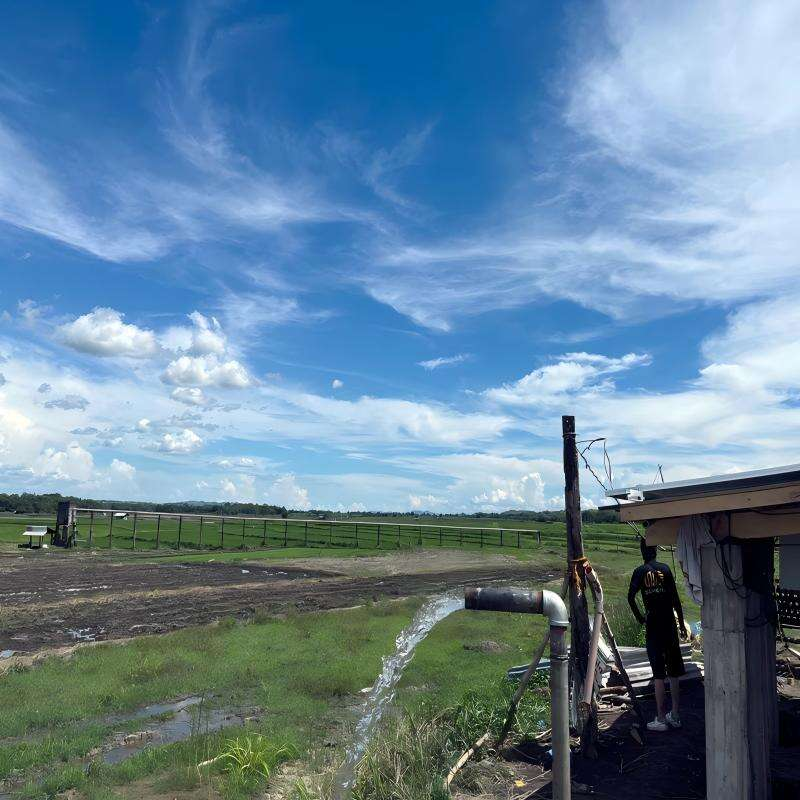
Submersible, Surface, and Screw Configurations
Each body style fits a source and a lifting height, and mixing them up is the most common design error seen on farms.
Submersible Pumps for Deep Boreholes
A submersible solar water pump sits below the water line inside the borehole and pushes water up the column. It suits depths from tens to over a hundred meters where a surface unit simply cannot lift. Stainless steel construction resists the grit and minerals that erode cheaper alloys, and sealed bearings keep sand out of the motor. For deep wells this type is not a preference but a requirement, because suction lift has a hard physical limit near eight meters.
Surface Pumps for Shallow Sources
A surface solar water pump rests at the bank and draws from a pond, canal, or shallow well, then pushes water to the field. It is easier to service because the motor stays above ground, and it suits flood irrigation or livestock troughs. The limit is suction lift, so once the source drops below roughly eight meters the unit stalls. Farmers with riverside plots gain the most, since the pump stays visible and simple to maintain.
Screw and Centrifugal Trade-offs
Within each family, the impeller style sets the character. A screw or helical rotor moves thick or sandy water gently and holds pressure at low flow, which suits drip lines. A centrifugal design delivers high flow at low head for open channels. A solar water pump specified with the wrong rotor wastes energy or clogs. Demax offers both so the crop and water quality, not habit, decide the choice.
A Smallholder Case: From Diesel to Sunlight
Numbers convince more than promises, and one farm shows the shift clearly.
The Problem: Fuel Cost and Labour
A smallholder near a dry riverbank pumped from a 40-meter borehole with a diesel set, hauling fuel weekly and hand-priming after every stall. During peak irrigation the engine ran six hours a day, and a failed pull-start could cost a morning of watering. Yield suffered in dry weeks because the cost of fuel capped how often the field was watered, and the farmer rationed a scarce resource by price.
The Solution and the Effect
The farm installed a Demax submersible solar water pump on the same borehole, sized to the 40-meter head and a daily volume matched to the drip lines, with an MPPT controller and a small buffer tank. The array runs the pump through sunny hours and the tank smooths the gap. Over a season the fuel walks and priming labour ended, and watering frequency rose because the sun cost nothing extra. The case proves that matching pump type to head, not chasing maximum watts, delivers the reliable yield farms need.
Selection and Care for Reliable Yields
Steady water comes from correct matching and simple upkeep, more than from a high headline rating.
Matching Head, Flow, and Array
Read the static water level and the draw-down under pumping, then add pipe friction to get true head. Pick a solar water pump whose curve meets the required daily volume at that head, then size the array to feed it at local insolation, not at lab sun. Oversizing the pump wastes money; undersizing strands the crop at midday. A one-page hydraulic estimate before purchase prevents the most expensive mistake a farm can make.
Protection and Maintenance Steps
Dry-run protection stops the pump when the source drops, avoiding burned seals from an empty borehole. A screened intake keeps weed and grit from the rotor, and a yearly descaling of the column preserves flow. Check electrical joints before each season, because loose MC4 connectors are the quiet cause of most field failures. Log the daily run hours so a slow fall in output is caught early, when a clean is cheaper than a rebuild.
A solar water pump from Demax lets farms trade fuel and labour for sunlight, with the model chosen by source and depth rather than habit. Submersible units serve deep boreholes, surface units serve shallow banks, and the right rotor keeps flow steady through grit and drip lines. Match head to the pump curve, protect against dry-run, and the field gets water on the sun's schedule, not the fuel truck's.
Frequently Asked Questions
Question: Which solar water pump suits a deep borehole? Answer: A submersible model belongs in deep boreholes because suction lift physically caps surface units near eight meters. The pump sits below the water line and pushes the column up. Stainless steel resists grit and minerals that erode cheaper alloys. Farmers with wells beyond shallow range should specify submersible to avoid a unit that simply cannot lift the water.
Question: How is the array sized for a farm pump? Answer: Size the array to local insolation, not lab sun, after reading static level, draw-down, and pipe friction for true head. Pick a pump whose curve meets the daily volume at that head, then match panels to feed it. Oversizing wastes money; undersizing strands the crop at midday. A simple hydraulic estimate prevents the costliest farm mistake.
Question: Why choose a brushless DC motor for irrigation? Answer: A brushless DC motor has no brushes to wear in dust and no spark near dry crop, and it starts softly under low light by drawing only what the array gives. That protects the chain on hazy mornings and keeps efficiency high through partial-sun hours. This motor outlasts brushed units across field seasons.
Question: What protects a pump from an empty borehole? Answer: Dry-run protection stops the pump when the source drops, preventing burned seals from an empty well. A screened intake blocks weed and grit from the rotor, and yearly column descaling preserves flow. Check MC4 joints each season, since loose connectors cause most silent field failures. Logging run hours catches slow output loss early.
Question: Can a solar pump run drip irrigation reliably? Answer: Yes. A screw or helical rotor moves sandy water gently and holds pressure at low flow, which suits drip lines, while centrifugal designs fit open channels. The pump must match the rotor to water quality and pressure, not habit. With correct sizing and a buffer tank, drip zones get steady water through sunny hours without a generator.