
 EN



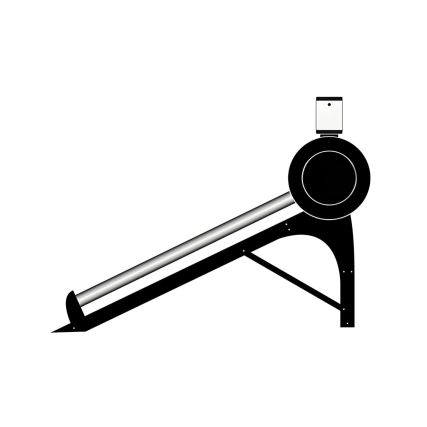
A solar water heater can absolutely serve community-scale demand, but only when the system is designed as a network rather than a row of single-household units bolted together. Demax supports this through arrayed collectors, grouped storage, and pressurized layouts proven on hotel and residential community projects. The honest answer to the question is yes—provided the sizing respects peak draw-off and the backup logic covers sunless days, because a community feels a shortfall far faster than one family does.
What "Community Demand" Really Means in Engineering
Big demand is not the same as big panels. The failure mode in community projects is almost always mismatched storage and peak timing, not lack of sun.
Peak Draw-Off Versus Daily Volume
Daily volume tells how much water a community uses; peak draw-off tells how fast it leaves the tank during the morning rush. A solar water heater sized only to volume will run cold when fifty showers open at once, because the outlet cannot keep pace even with a full tank. Engineering the system means reading the hourly curve, not the monthly total. Communities live by the peak hour, and the design must too. Recording draws per hour, not per day, exposes the true size of the morning rush and prevents the classic error of sizing to the monthly average.
Why Storage Beats Collector Area
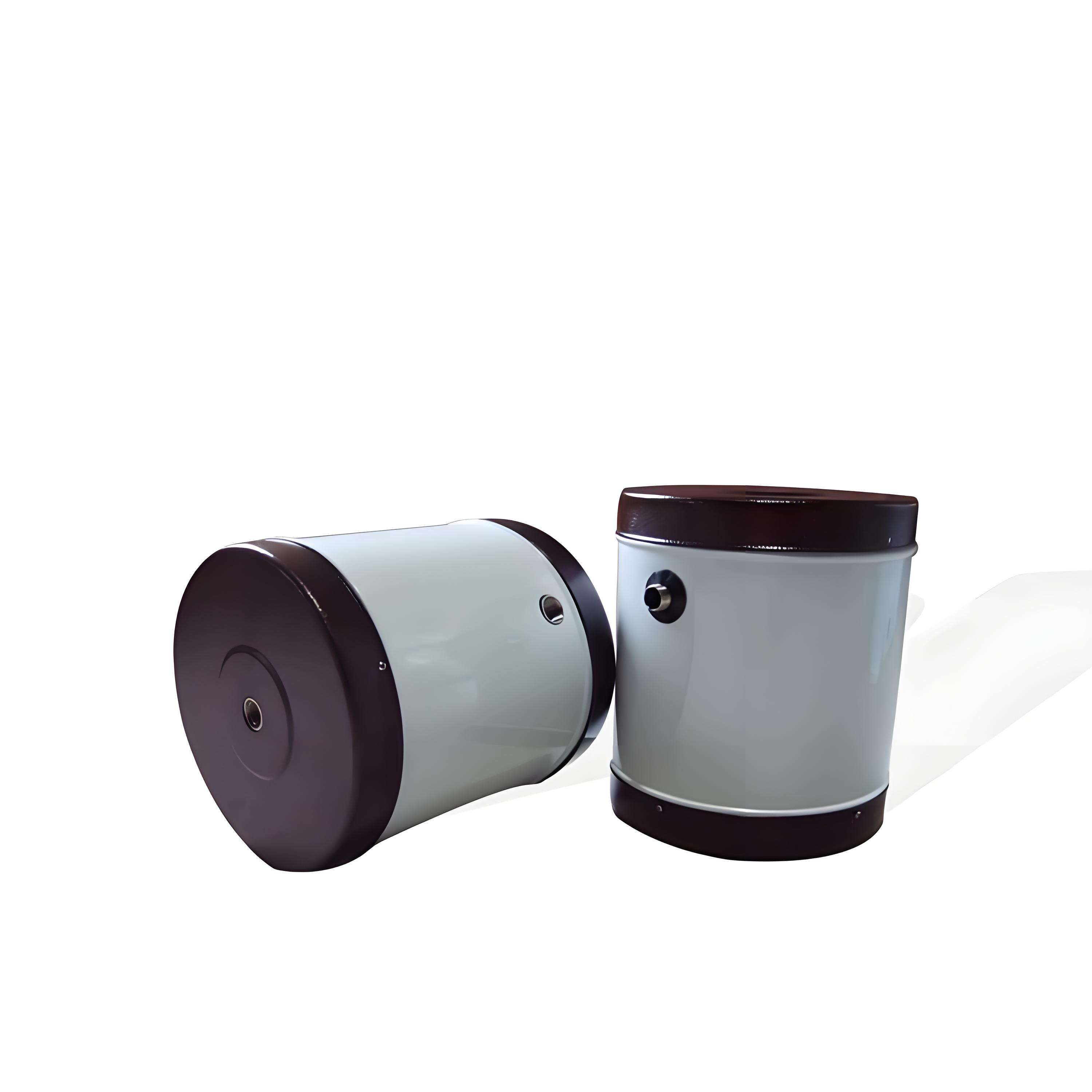
Collectors make heat; tanks hold it for the moment it is needed. For a community, a larger buffer tank smooths the gap between when the sun heats and when residents draw. Adding collector area without adding storage just dumps excess heat at midday and leaves the evening cold. A well-planned solar water heater balances the two, often leaning toward storage because evening and morning peaks fall outside sunny hours. A smaller collector paired with a larger tank often serves residents better than the reverse, because the sun cannot be rescheduled to match the shower queue.
How Arrayed Systems Scale Past One House
Scaling is mostly plumbing and control, and the right topology prevents the uneven temperatures that anger users.
Cascade Tanks and Stratification
Cascade connection links several tanks so that the hottest water stratifies at the top and cooler layers sit low, instead of one lukewarm mixed mass. A solar water heater using stratification delivers full-temperature water at the draw point longer, because each draw pulls from the heated top first. Demax community layouts use this to keep delivery steady across many units. Good stratification also protects the collector from cold return shock that otherwise shortens life.
Pressurized Versus Non-Pressurized Layouts
A pressurized solar water heater pushes water through the building at mains pressure, so fixtures perform normally and multiple floors draw at once. Non-pressurized units rely on gravity or a secondary pump and suit low-rise or single-block sites. For a multi-story community the pressurized heat pipe or flat plate option avoids the weak-flow complaints that kill user trust. The choice follows building height and plumbing, not price alone.
A Hotel Project That Proved the Concept
A tourism hotel case shows community-scale demand met without a diesel boiler running all day.
The Problem: Constant Temperature at Scale
A mountain tourism hotel needed 24-hour constant-temperature hot water for over a hundred rooms, with demand spiking at breakfast and evening. Its old electric boilers ran continuously and peaked the bill, yet still lagged during simultaneous draws. The operator wanted green credentials but feared solar would deliver uneven temperature that guests would notice as a complaint.
The Solution and the Outcome
The hotel installed a Demax solar water heater system: a roof-integrated collector array feeding cascade pressurized tanks, with a small auxiliary boiler as backup for sunless stretches. Stratification kept top-layer temperature steady through the morning peak, and the boiler topped only what the sun missed. Across a season the auxiliary ran a fraction of prior hours, guests reported stable temperature, and the roof read as a single clean plane. The case confirms that arrayed storage, not bigger collectors, carries community demand.
Sizing, Hygiene, and Sourcing Checks
Community systems carry health duty, so sizing and hygiene checks matter more than for a cottage.
Sizing the Collector-to-Tank Ratio
A common starting point pairs roughly one litre of storage per 40 to 60 watts of collector, adjusted for local insolation and draw pattern. A solar water heater for a community should model the worst week, not the sunniest month, because users remember the cold morning, not the sunny one. Leave headroom for future blocks, since adding tanks later is easier than moving the roof array. A written hydraulic model prevents the uneven delivery that breeds complaints.
Legionella Control and Standards
Stored water between 25°C and 45°C lets Legionella multiply, so community tanks need either periodic high-temperature pasteurization or a controlled loop above the risk band. EN 806 and local water hygiene codes set the rules most inspectors follow; ISO 9001 backs the manufacturing process. Ask the supplier for the temperature control method and the pasteurization procedure in writing. Skipping this turns a green project into a health liability that no saving justifies.
A solar water heater from Demax meets community demand when planned as a system: cascade tanks for steady draw, pressurized layouts for multi-floor pressure, and backup sized to the worst week. The hotel case shows constant temperature at scale without all-day boiler burn. Respect peak draw-off, hold the hygiene band, and the community gets reliable hot water with a far smaller fuel bill.
Frequently Asked Questions
Question: Can a solar water heater really serve a whole community? Answer: Yes, when built as a network of arrayed collectors and cascade tanks rather than linked single units. The design must respect peak draw-off and include backup for sunless days. A Demax community layout proved stable temperature for a large hotel. The key is system thinking, not just adding more panels to one tank.
Question: Why does storage matter more than collector area? Answer: Collectors make heat; tanks hold it for the draw moment. A community peaks in the morning and evening, outside sunny hours, so a larger buffer smooths the gap. Adding panels without storage just wastes midday heat and leaves evenings cold. A balanced system often leans toward storage to carry the peaks.
Question: Pressurized or non-pressurized for apartments? Answer: Multi-floor communities should use a pressurized layout for mains-pressure flow at every fixture, avoiding the weak-stream complaints that break trust. Non-pressurized units suit low-rise or single blocks with gravity feed. The choice follows building height and plumbing, not sticker price, so confirm the layout before order. A short site check with the plumber confirms the right call before the order is placed.
Question: How is Legionella risk controlled in big tanks? Answer: Stored water in the 25°C to 45°C band lets Legionella grow, so tanks need periodic high-temperature pasteurization or a loop held above the risk range. EN 806 and local hygiene codes set the rules inspectors follow. Request the temperature control and pasteurization method in writing, because health duty outweighs any saving.
Question: How should the collector-to-tank ratio be set? Answer: A common start pairs about one litre of storage per 40 to 60 watts of collector, tuned to local insolation and draw pattern. Model the worst week, not the sunniest month, since users recall the cold morning. Leave headroom for future blocks. A written hydraulic model prevents the uneven delivery that turns a green project into complaints.