
 EN



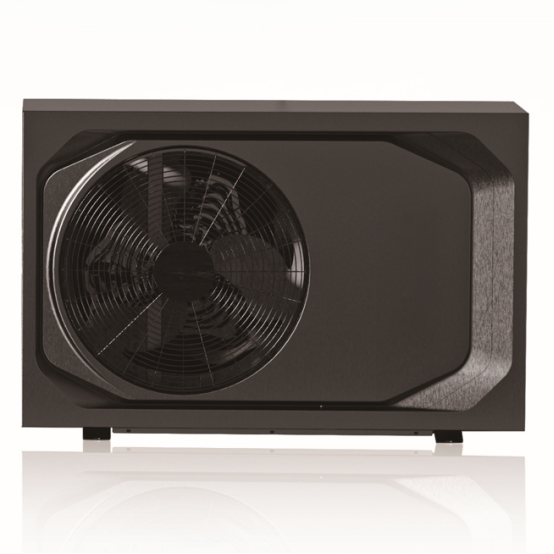
An integrated air source heat pump saves installation space by folding heating, cooling, and often domestic hot water into a single factory-built cabinet, instead of scattering a boiler, a tank, and an air handler across the mechanical room. Demax designs these units so the refrigerant cycle, the compressor, and the water side sit in one footprint that a two-person crew can place against a wall. The space gain is real for retrofits where the old plant left no room to grow.
What "Integrated" Actually Means in a Heat Pump
Integration is not a sticker; it is a layout decision that changes how a building is serviced.
One Cabinet, Several Jobs
A conventional setup stacks a separate boiler, a buffer tank, and a fan coil, each needing clearance and piping. An integrated heat pump merges the coil, compressor, plate heat exchanger, and pump into one casing, so the only external runs are water lines to the rooms. For a compact plant room this removes the tangle that once ate floor area. The same cabinet also trims the joint count where leaks start, which lowers the maintenance load over the years.
Why the Inverter Changes the Footprint
An inverter-driven heat pump modulates compressor speed to match load, so it does not need a huge buffer to avoid short cycling. A fixed-speed unit must oversize the tank to cope with on-off surges, and that tank is the bulky item. By holding steady output, the inverter lets the cabinet stay small while still covering the building. Demax ultra-low-temperature inverter models keep this benefit even when outdoor air drops near freezing, which is when oversized buffers would otherwise appear.
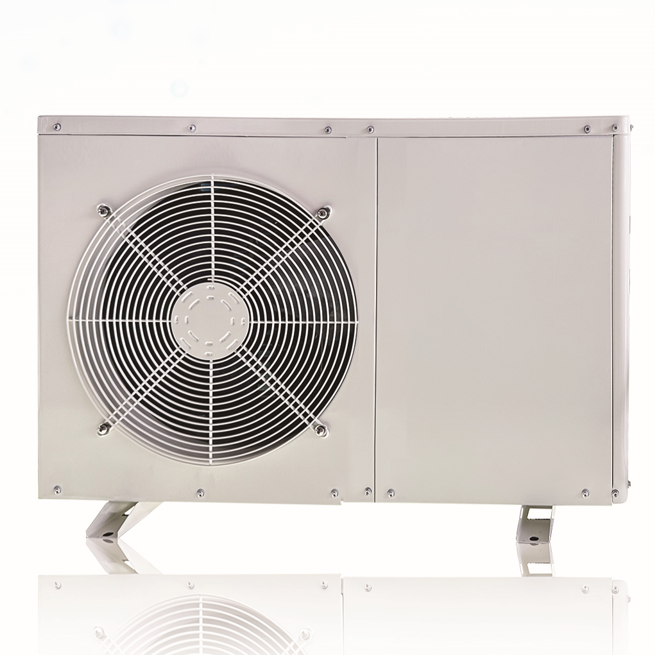
The Refrigerant Logic Behind Compact Design
Compactness only helps if the unit still moves enough heat, and that depends on the cycle, not the casing size.
How the Cycle Moves Heat, Not Air
A heat pump works by letting a refrigerant absorb low-grade heat from outside air, compress it to a higher temperature, then release it through a plate heat exchanger into the water loop. The magic is moving heat against its gradient using work, not burning fuel on site. In an integrated unit the whole path is short, so less refrigerant charge and fewer joints are needed. Shorter paths also mean fewer spots for slow loss, which keeps the coefficient of performance stable across seasons.
Low-Temperature Refrigerant and Defrost
Cold-climate models use a refrigerant blend tuned to stay effective as outdoor air falls, paired with a controlled defrost that clears frost from the coil without a long comfort gap. A poor defrost routine forces the unit to overbuild the coil to compensate, swelling the cabinet. Demax tunes defrost timing to the climate so the heat pump stays compact yet keeps output through frosty mornings. The result is a smaller box that does not trade size for winter performance, which matters for tight plant rooms.
A Retrofit Where the Boiler Room Vanished
A small hotel case shows the space argument in money terms.
The Problem: No Room to Expand
A boutique hotel wanted cooling added to a building whose boiler room already held a gas boiler and a steel tank with almost no clearance. Adding a separate air handler and a new buffer would have meant carving the adjacent storage closet, disrupting guests for weeks. The owner feared the only path was a costly build-out, and the project stalled on the lack of floor area rather than the lack of budget.
The Solution and the Gain
The hotel installed a Demax integrated heat pump that combined heating, cooling, and hot water in one cabinet placed where the old tank stood. The removed steel tank and separate handler freed the closet, which became guest storage, and the single water line run kept the works short. After one season the building gained cooling it never had, kept hot water, and reclaimed roughly four square meters of floor that had been dead plant space. The case proves integration pays back as square meters, not just as efficiency.
Placement, Sizing, and Sourcing Checks
Good space savings still need correct siting and honest reading of the label.
Where the Unit Should Sit
Set the cabinet on a level base with clear air intake and at least the maker's clearance to the wall, because starving the coil forces longer run and more noise. Keep it away from bedroom windows and from snow drift paths in cold regions. An integrated heat pump placed in a cramped alcove loses the very efficiency that justified the small size, so the site check precedes the purchase, not the other way round.
Standards and Efficiency Reading
Look for CE marking and the relevant EN 14511 test for air-to-water units, which defines how capacity and coefficient of performance are measured under set conditions. ISO 5149 covers refrigerant safety in machinery rooms. Read the SCOP, not just the peak COP, because the seasonal figure reflects real running across the year. Ask the supplier for the low-temperature capacity curve in writing, since that is where compact claims meet cold reality.
An integrated air source heat pump from Demax returns floor area to the building by doing three jobs in one cabinet, with the inverter trimming the buffer that fixed-speed units force. The refrigerant path stays short, defrost stays tuned, and the retrofit case shows reclaimed square meters alongside new cooling. Site it with clearance, read the SCOP, and the small footprint earns its place without giving up winter performance.
Frequently Asked Questions
Question: How does an integrated unit save room? Answer: It folds heating, cooling, and often hot water into one factory cabinet instead of a separate boiler, tank, and air handler. The only external runs are water lines, so the mechanical room sheds the tangle and joint count that ate floor area. A Demax integrated heat pump places against a wall, freeing space a retrofit boiler room no longer has to sacrifice.
Question: Why does the inverter keep the cabinet small? Answer: An inverter unit modulates compressor speed to match load, avoiding the oversized buffer tank that fixed-speed units need to stop short cycling. By holding steady output the cabinet stays compact while still covering the building. Demax low-temperature inverter models keep this benefit near freezing, when big buffers would otherwise appear and swell the footprint.
Question: Does a compact unit still heat in cold weather? Answer: Yes, with a refrigerant blend tuned for low outdoor air and a controlled defrost that clears frost without a long comfort gap. Poor defrost forces an overbuilt coil, but Demax tunes timing to climate so the unit stays small yet keeps output. The compact box trades size for winter performance only when defrost is done badly.
Question: Where should the integrated unit be placed? Answer: Set it on a level base with clear intake and the maker's wall clearance, because a starved coil runs longer and noisier. Keep it from bedroom windows and snow drift paths in cold regions. An integrated unit crammed in an alcove loses the efficiency that justified its small size, so the site check must precede purchase, not follow it.
Question: Which figures show real efficiency for buyers? Answer: Read SCOP, not just peak COP, because the seasonal figure reflects year-round running under set conditions defined by EN 14511 for air-to-water units. CE marking and ISO 5149 refrigerant safety apply. Ask for the low-temperature capacity curve in writing, since that is where compact claims meet cold reality and where honest sizing is confirmed.