
 EN



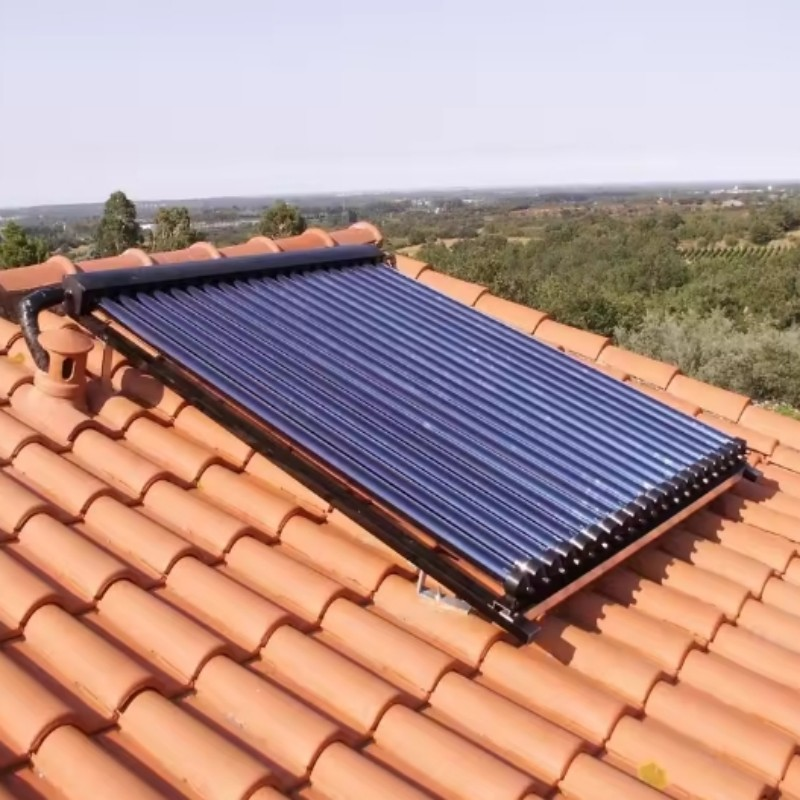
With domestic utility rates climbing to historic highs across the globe, managing foundational household overhead has become a major focus for modern homeowners and residential developers. Water heating regularly consumes a massive chunk of a family’s monthly energy budget, lagging right behind space conditioning. Traditional gas or electric storage units provide immediate convenience but tie households to an endless cycle of volatile fossil fuel spikes. This persistent financial friction has driven widespread market curiosity toward a robust residential solar water heater. Specifically, prospective buyers frequently ask whether vacuum tube pressurized setups can reliably handle the everyday domestic routines of a multi-member household. Exploring the field dynamics of modern thermal capture answers this question directly, proving that selecting advanced integrated systems reshapes how homes consume energy.
The Technical Superiority of a Vacuum Tube Solar Water Heater
Understanding why a pressurized vacuum tube solar water heater operates as an engineering marvel requires looking closely at its thermal insulation. Unlike outdated flat-plate designs that suffer from significant heat leakage during windy or overcast days, vacuum tubes consist of twin layers of high-strength borosilicate glass with a sealed vacuum gap in between. This structure acts identically to a commercial thermos flask, allowing solar radiation to enter while completely blocking heat from radiating back into the cold atmosphere. Inside the tubes, specialized heat pipes transfer the accumulated thermal energy up into a pressurized header tank. Because the domestic water loops directly through a heavy-gauge stainless steel tank under mains pressure, the home receives strong, uncompromised hot water flow at every showerhead and appliance simultaneously.
Real-World Residential Performance in Freezing Climates
Practical engineering experience gained from deploying clean energy solutions in sub-zero alpine settings and wind-swept suburban neighborhoods provides highly actionable data on system resilience. A standard misconception among property managers is that solar thermal equipment becomes useless the moment winter snow covers the ground. In actual residential installations, premium pressurized vacuum systems thrive in freezing zones because the glycol-filled copper heat pipes within the tubes contain no water, eliminating any risk of burst piping or localized freezing. Even on short, crisp winter days when ambient air temperatures drop far below freezing, the internal water temperatures inside the insulated storage tank remain consistently high enough to handle heavy multi-appliance domestic demands without relying on grid backups.
Adhering to International Standards and Thermal Certifications
Validating the long-term reliability of residential renewable hardware requires moving past basic marketing promises and analyzing standardized thermodynamic benchmarks. Authoritative global regulatory networks, including the Solar Rating & Certification Corporation (SRCC) and European Solar Keymark boards, enforce rigorous testing profiles on pressure handling and thermal retention. High-tier solar HVAC designs align fully with these rigorous global standards by passing intensive static pressure clearances and hail-resistance test metrics. This structural compliance guarantees that when a residential housing project installs this hardware, the assets pass local plumbing inspections effortlessly, conform to regional safety codes, and qualify for valuable residential clean energy tax credits or eco-friendly building subsidies.
Evaluating Financial Returns and Domestic Asset Enhancement
From a straightforward economic perspective, transitioning a property to a high-efficiency solar water heater presents a highly secure path to operational cost reduction and long-term asset appreciation. Bypassing standard electrical grids for daily hot water needs immediately flattens a household's utility curve, generating measurable monthly savings that accumulate substantially over a decade of ownership. Beyond everyday bill reductions, integrating a reliable, zero-emission thermal footprint directly enhances the baseline market value of the real estate asset. Forward-looking homebuyers actively seek out properties featuring pre-installed, high-performance green utility infrastructure, turning an initial infrastructural upgrade into a definitive edge in the competitive modern housing market.
Advanced Manufacturing Integration and Reliable Supply Networks
Bringing highly durable, dual-season thermal solutions to the global residential marketplace requires extensive engineering acumen and reliable factory infrastructure. Demax has secured a prominent role in this sector by combining precision thermodynamic engineering with advanced, high-capacity production lines. By controlling an integrated component supply network and putting every pressurized storage tank and borosilicate tube through strict pressure-holding stress tests, Demax guarantees flawless product uniformity and predictable global lead times. This continuous oversight of the manufacturing ecosystem, paired with comprehensive technical support and optimized global logistics services, ensures that residential project shipments arrive at the job site perfectly equipped to deliver optimal energy savings for decades.