
 EN
EN



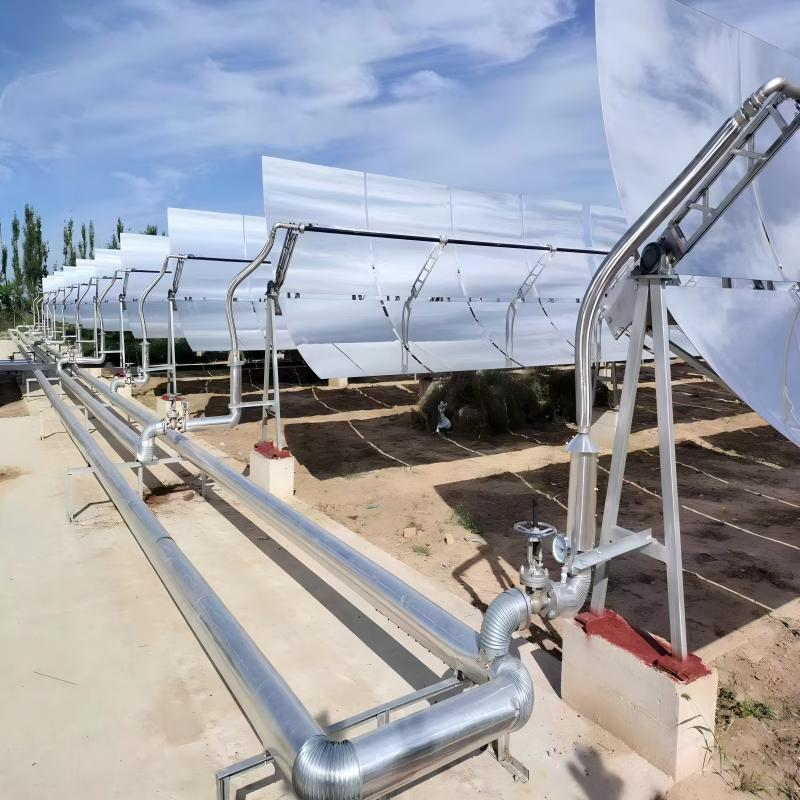
Demax Collectors with Heat Pumps: Hydraulics and Heating
Understanding how to integrate the above systems requires a good understanding of the hydraulics involved with solar thermal collectors and heat pump circuits. Ideally, at a given operating condition, the flow rates of the collectors and the heat pump should be kept within 10% of each other to avoid the annoying parasitic losses due to excessive pumping. Also, to ensure that sufficient heat is transferred, we want to aim for maintaining turbulent flow conditions. A very common claim that many practitioners have is with respect to the thermal gradients, or temperature differences, that the collectors provide. Demax collectors can have outlet temperatures in the 50 to 80°C range while most heat pumps do not work well, or at all, in the 25-35°C range. In order to close or minimize these thermal gradients while improving thermal exchange, one might have to use stratified buffer tanks or compact plate heat exchangers with a temperature approach of no more than 2°C. Industry research studies have reported that in the absence of good interface designs in hybrid systems, the systems can drop in the order of 15 to 22 percent of their design efficiency. This is also one of the primary reasons why the use of thermostatic mixing valves are critical to maintaining stable inlet temperatures when the solar gain is variable.
Compliance Marketing: Priority Logic, Temperature Staging, and Anti-Short-Cycling Regulations
Predictive performance requires an intellectually driven control that shifts energy spending based on active/real time circumstances. Three-phase prioritisation protocols control system activity:
The primary solar mode kicks in when the collector temperature is at least 8 °C higher than the required source temperature of the heat pump.

Hybrid assist mode is activated during partial solar irradiation and controls the temperature of the collector circuit so that the source loop is preheated without excessive heating.
Heat pump prioritisation mode is activated when there is insufficient solar energy and the system flow rates are controlled and injuries to the compressor are prevented by maintaining/controlling runtimes.
The European Field tests have shown that staged temperature control reduced compressor cycling by 40% and increased the life of the equipment by that time. Anti-short cycling controls incorporate load predictive and anticipatory controls and thermal demand forecasting, thus reducing unnecessary starts that increase maintenance costs by $740/year/unit (The Ponemon Institute, 2023).
Performance Benefits of Solar-Assisted Heat Pumps (SAHPs)
The combination of solar thermal collectors and heat pumps provide synergistic performance, due to their differing strengths, that each component on its own would not achieve. Consider it a sort of teamwork with multiple energy sources. The solar collectors provide heat that the heat pump can then use to achieve more efficient heat transfer. Less energy, for example, is required by buildings to run heat pumps, because less energy is needed to run the heat pump, as a portion of the energy to be moved is already provided by solar energy. Furthermore, this configuration improves building energy performance and shifts energy consumption patterns by reducing energy consumption, thereby increasing building energy performance and improving the building’s load profile. In this way, solar assisted heat pumps help buildings better communicate with the grid, particularly during peak energy consumption periods.
COP Enhancement: Demax-Integrated SAHPs Field Trials in the EU
The European testing of SAHP systems coupled with Demax technology show a COP improvement of 20 to 30 percent over heat pumps used independently. While the evaporator is supplied with solar thermal energy, the overall electricity consumption is reduced, and the evaporator temperature of the compressor ease the work of the heat pumps by 10 to 15°C. The greatest energy-saving potential of this technology is in the sun and heating-demand overlap. In addition to saving electricity, the improved SAHP systems are more energy efficient in winter because they require fewer defrost cycles and therefore less energy.
Load Shifting and Grid Resilience: Pre-heating Source Water to Reduce Peak Electrical Demand
Solar Assisted Heat Pumps (SAHP) use sunlight to heat up water to be used in the evening, when energy fees are higher, to charge the SAPH (heat) battery during the day when energy fees are lower. We've observed commercial systems (heat) battery enable a 30 to 40 percent reduction in peak energy demand. In addition to lowering energy expenses, SAHPs enhance the flexibility of the energy grid, and participating in demand response creates additional revenue streams for building owners. With heat pumps, the previously overlooked heating equipment becomes vital for managing customer energy load and improving the overall grid.
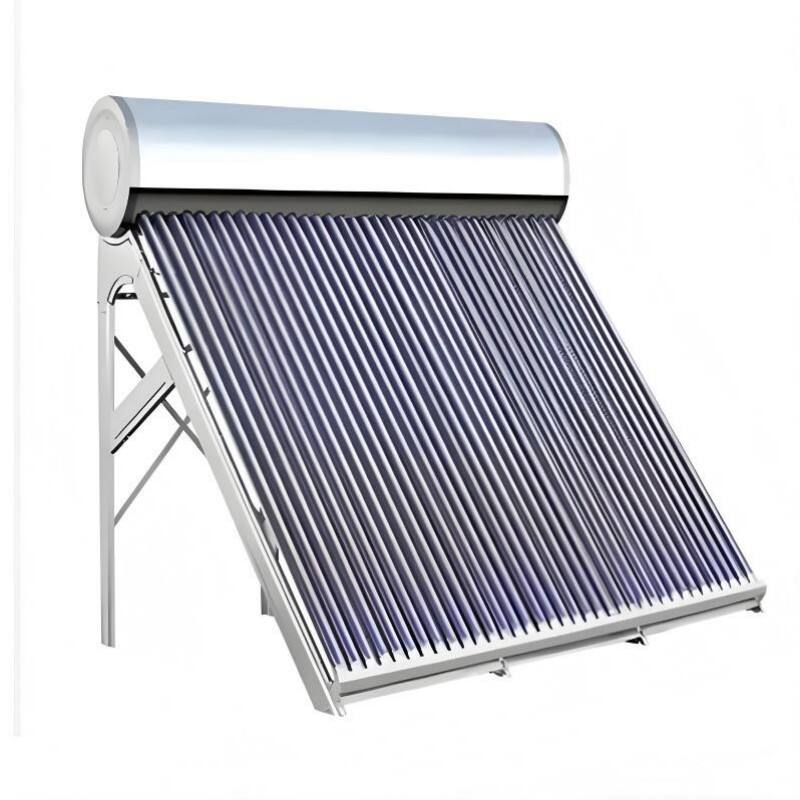
Why Solar Thermal Alone Falls Short—and How Heat Pumps Complete the Decarbonization Strategy Solar thermal systems have the ability to capture renewable heat from the sun, but they have their limitations. Their ability to capture heat is impacted by cloud cover, winter, and night time. If thermal systems are relied upon while needing to capture heat to produce energy, the systems will need to use fossil fuels which defeats the purpose of trying to capture carbon emissions. With thermal systems, heat pumps become extremely useful. They can capture thermal energy from the surrounding environment and can provide heat while solar energy is being produced. Heat pumps are efficient and have a coefficient of performance (COP) which can be up to 3.5. This is far more efficient than conventional systems. They also offer more efficiency when used with solar thermal systems. The solar thermal device will heat the water before it enters the heat pump thus the compressor works more efficiently.
According to studies, this configuration can reduce peak electricity demand by 18%-34% during times of stress in the power grid (2023, Fraunhofer ISE). As of now, according to IEA 2024 data, heat pumps account for only 10% of global building heating, which is not in line with our climate goals. However, integrating heat pumps with solar thermal technology enhances our control over energy loads, add reliability, and allows for carbon-neutral heating of buildings year-round. These two technologies particularly complement each other; solar energy creates greater efficiency in heat pumps, and heat pumps ensure smooth operation during times when solar energy is insufficient. This innovative combination is truly transformative for decreasing reliance on fossil fuels, from both a technical and economic perspective, unlike other technologies that simply add one plus one to get two.
FAQ Section
Q1: What is the main challenge when integrating Demax collectors with heat pump loops?
A1: The main challenge is balancing the hydraulics of solar thermal collectors and heat pump circuits to avoid parasitic losses and enable efficient heat transfer.
How do differences in temperature affect how systems integrate with each other?
Demax collectors can reach temperatures of 80°C but heat pumps work most efficiently at 25-35°C. This means they need specific tools to bridge that temperature gap while keeping the overall efficiency of the system.
How do solar assisted heat pumps (SAHP) increase efficiency?
SAHP operate with solar energy as a “new” (less than 6 years) tier of energy. This type of energy is less expensive while also allowing heat to easily “move” within a unit.
Why is it that solar thermal alone is not enough?
Solar thermal systems also drop in efficiency when it is cloudy and at night, so they also need the help of fossil fuels. Heat pumps can also aid solar thermal by providing heat when the sun is not available to help fully complete the goal of decarbonization.
Table of Contents
- Demax Collectors with Heat Pumps: Hydraulics and Heating
- Compliance Marketing: Priority Logic, Temperature Staging, and Anti-Short-Cycling Regulations
- Performance Benefits of Solar-Assisted Heat Pumps (SAHPs)
- Load Shifting and Grid Resilience: Pre-heating Source Water to Reduce Peak Electrical Demand
- FAQ Section