
 EN
EN


Core Options for Heat Transfer Fluids for Demax Solar Thermal Systems
Water: Best for Low-Temperature, Pressurized Demax Installations
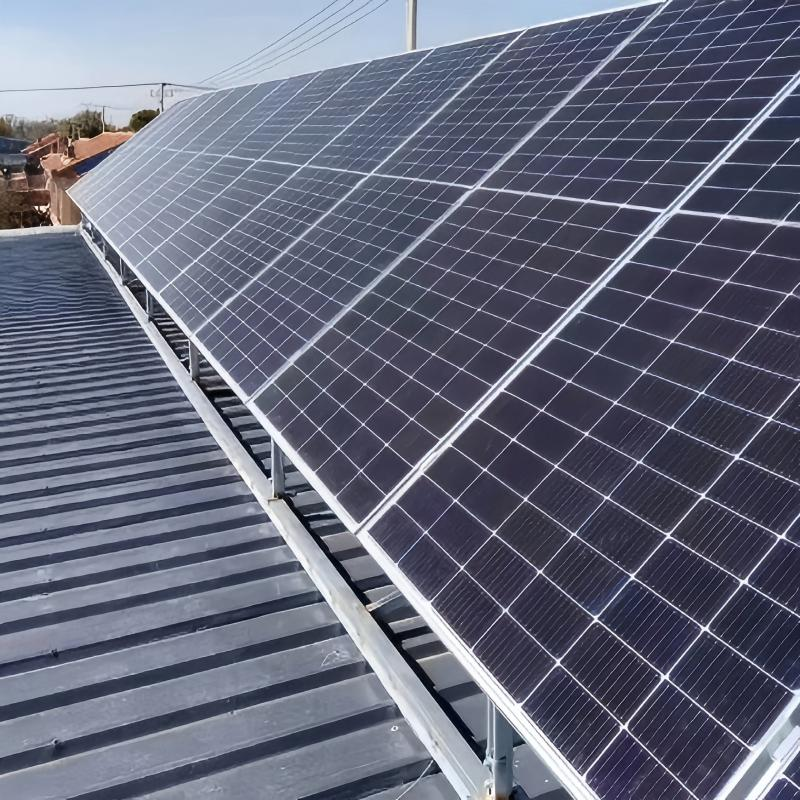
For solar thermal applications operating below 100 degrees Celsius, water remains one of the most economical and efficient options available as a heat transfer fluid. Water's advantageous properties result from its relatively high specific heat capacity (approximately 4.18 kJ per kg K), while requiring little pumping power. When cooling with a pressurized Demax system, water is ideal because it cannot boil, and is safe and environmentally friendly. However, water freezes at 0 degrees Celsius, and as a result, these systems are only operational in frost-free regions. When systems are at risk of freezing due to winter conditions, technicians must fully drain the water to avoid damage. Performance figures from continental Mediterranean homes show that in 2023 ESTIF (European Solar Thermal Industry Federation) proved that water based setups achieved around 60% seasonal efficiency.
Solutions Focused on Safety and Freeze Protection
When it comes to freeze protection, mixtures of propylene glycol and water show a lot of promise. They keep working down to minus 30 degrees Celsius and are less dangerous than the other options available that use ethylene glycol and can be hazardous when leaked. These mixtures also stop corrosion when the systems are built using the proper guides with stainless steel and certain other plastics. On the downside, propylene glycol/water mixtures can be 30 to 50 percent thicker than water at 20 degrees Celsius, so the pumps have to work a lot harder. However, since they handle low temperatures so well, they are the go to heat transfer fluid for the majority of locations in North America and Northern Europe. Recently, manufacturers have also achieved improvement by adding specific proprietary chemicals to the fluids that reduce the rate of fluid breakdown. When the fluids are tested in closed loop Demax systems according to the prescribed industry standards, the fluids are estimated to last 5 - 7 years.
Thermally Stable Silicone Fluids and Air: Specialized Uses in Solar Thermal Applications Without Pressure and at Elevated Temperatures
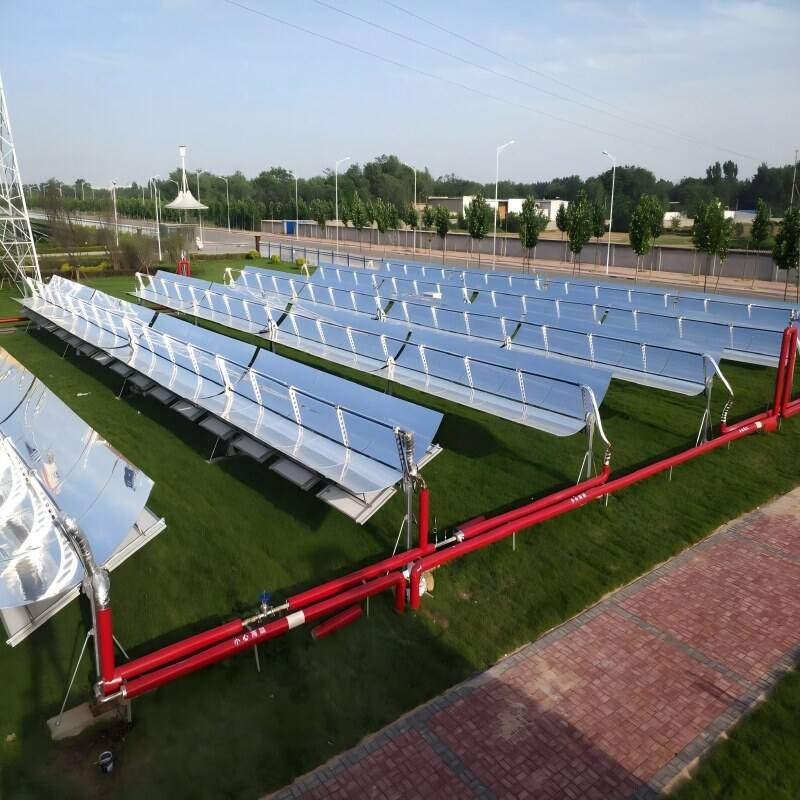
Heat transfer silicone fluids are the only fluids that remain operational over extended periods of time in the non-pressurized open loop concentrated solar thermal systems that operate at the elevated temperatures between 200 and 400 \degree C. silicone fluids also have the heat transfer capability necessary for use in the high temperature range in concentrated solar thermal systems. However, the heat transfer fluids are not used in systems where air is the working fluid. Air, in combination with open loop systems, provides operational reliability and ease of maintenance in non-pressurized solar thermal systems. The combination of these specialized fluids, even if optimized, is less than 15 percent of the global total of solar thermal installations.
That number comes from the most recent market analysis from the International Energy Agency’s 2024 SolarPACES initiative.
Key Selection Criteria for Solar Thermal Heat Transfer Fluids
Thermal stability and degradation resistance
With heat transfer fluids (HTFs) in solar thermal applications, they are expected to be chemically stable over the long term, having to be in the vicinity of 200 degrees Celsius for extended durations (even years) in some instances. When fluids are chemically unstable, there are negative implications for the system as a whole, including a reduction of thermal performance. In some documented instances, fluids have undergone a thermal performance reduction of 22% in a five-year period. This is often due to increased viscosity caused by fluid oxidation and subsequent sludge formation. Such conditions also result in increased maintenance and decreased heat exchanger performance. Although oxidation inhibitors can mitigate some of the aforementioned issues, a greater focus is needed on fluid compatibility with system materials over time. System materials such as copper and aluminum, and even rubber in some valve seals, may experience a variety of chemical reactions with the fluid over time. In particular, with pressurized Demax systems, it is estimated that the corrosion rate is approximately 30% higher with fluids that are stable compared to fluids that are unstable.
This type of wear and tear does not simply shorten the life of equipment. It also substantially increases maintenance budgets over the long haul.
Fluid Selection Along Climate Zones in the Solar Thermal Market in North America and Europe
Fluid selection must be rigidly adhered to concerning the extremes of the climate in the region of installation.
1. The Nordics and Central Europe: Protection must be provided to –30°C. For this purpose, a propylene glycol and water mixture in a ratio of 50:50 is the de facto standard for cold climate Demax deployments, as it maintains over 85% of the heat transfer efficiency of water.
2. The Mediterranean and the Southwestern United States: Stagnation temperatures regularly exceed 300°C. Stagnation temperatures, therefore, demand high-temperature stability combined with low vapor pressure. In this regard, silicones outperform glycols as their vapor pressure is 40% lower than glycols at peak operating temperatures, thereby reducing the frequency of pressure relief activates and, therefore, the loss of fluid.
3. The North Eastern United States as an example of a hybrid climate: It is necessary to have a dual-protection design. The latest generation of hydrocarbon foams has the ability to remain pumpable below –25°C and to withstand thermal degradation at temperatures as high as 290°C. This allows for annual operational safety without compromising efficiency.
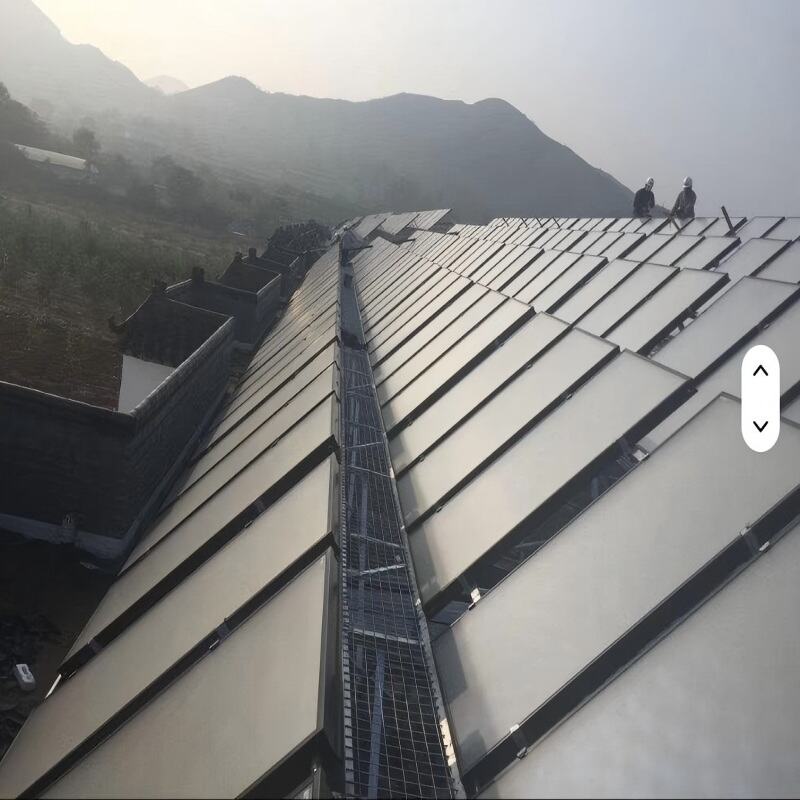
Although their use increases viscosity by 12–15%, which leads to increased pumping effort and larger pump-bore diameters, a trend towards the use of more thermally stable liquids is evident, despite the additional safety constraints they impose.
Comparison of Performance in Efficiency, Safety, and System Compatibility in Solar Thermal Applications
Thermophysical Trade-Offs in Relation to Specific Heat, Viscosity, and Pumping Energy Considerations of Flow in Relation to the Solar Thermal Yield
The overall thermal performance of each fluid was analyzed in relation to three of the fluid’s physicochemical characteristics: the fluid's thermal energy storage capacity (specific heat), the fluid's thickness (viscosity), and the fluid’s thermal breakdown (thermal stability). Water is an excellent thermal energy absorber (specific heat is approximately 4.18 kJ per kg per degree K). However, problems arise with the use of water in this systems because temperatures can fall below the freezing point. In those cases, the use of glycol mixtures is necessary, although those fluids are 30 to 50 % more viscous than water. This additional viscous fluid resistance requires pumps to do more work, usually resulting in an energy consumption increase of 15 to 30 % in large industrial systems, reducing the net solar energy collected. Though silicone fluids are not as viscous when heated, their specific heat is limited to a range of 1.5 to 1.8 kJ. Therefore, an operator using silicone fluids would need to promote two times more fluid flow than would be necessary with water. This fluid management increases the need for larger pumps, increases the expenses associated to electricity, and increases the maintenance burden.
It has been confirmed through real world testing at parabolic trough solar plants that mismatched fluids and pumps can reduce thermal output by 12 - 18 percent over time. Significantly, subpar fluids breakdown quicker and can become 50 - 80 percent more viscous after only 5 years, which impacts flow. Consequently, engineers must essentially evaluate any new fluid with every component of the system it will come in contact with, including expansion tanks, valves, and especially the brazed plate heat exchangers.
Frequently Asked Questions
What is the primary benefit of using water as a heat transfer fluid in Demax systems?
Water is more efficient at moving heat because it has a higher specific heat capacity than other fluids. Its low temperature applications in frost free regions and its low pumping energy losses make it a highly preferred fluid.
What are the advantages of using propylene glycol/water mixtures in cold climates?
These mixtures are thicker than water and are safer than ethylene glycol options. They are a preferred option in cold regions because of their low temp resistance and increased viscosity, especially in North America and Northern Europe.
What are the characteristics of silicone fluids that allow them to be used in high-temperature applications?
Silicone fluids possess remarkable thermal stability, which allows them to be used in high-temperature applications, such as in concentrated solar thermal systems. Furthermore, silicone fluids have low vapor pressures, which minimizes the chances of pressure relief activation at peak temperatures.
What are the implications of selection criteria on the regions climate when choosing a heat transfer fluid?
To maximize the reliability and efficiency of the system, the freeze protection from heat transfer fluids should be used in cold regions, while the fluids that possess high thermal stability should be used in hot regions.
Table of Contents
- Water: Best for Low-Temperature, Pressurized Demax Installations
- Thermally Stable Silicone Fluids and Air: Specialized Uses in Solar Thermal Applications Without Pressure and at Elevated Temperatures
- Thermal stability and degradation resistance
- Fluid selection must be rigidly adhered to concerning the extremes of the climate in the region of installation.
- Frequently Asked Questions