
 EN
EN


Demax Solar Collectors and Their Architectural Integration
Design Flexibility
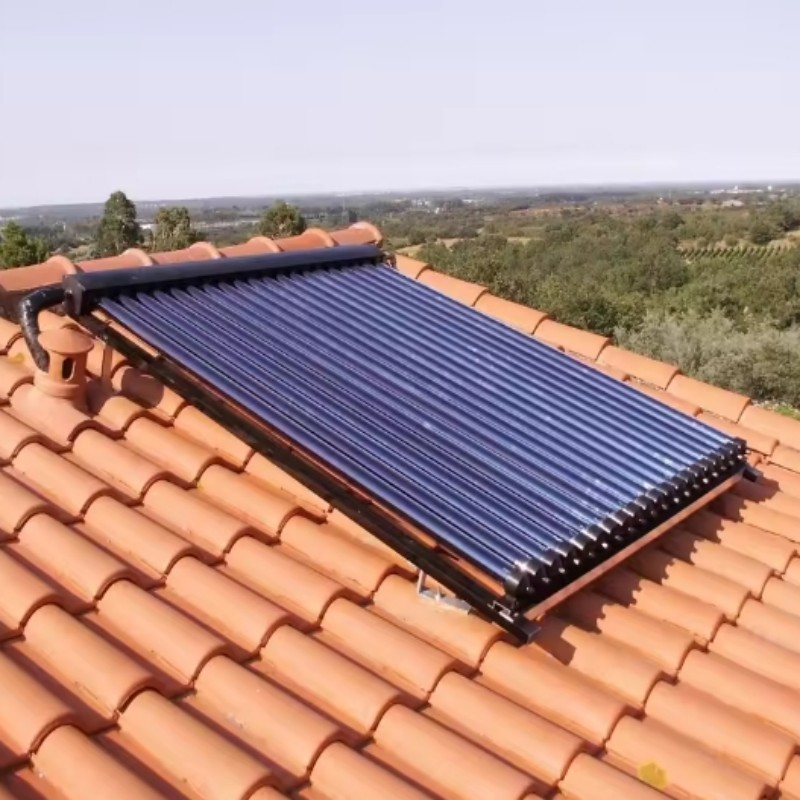
Because Demax solar collectors can be designed to match slate, tile, or metal roofing, they can be incorporated seamlessly into almost any building's design. Most competitors don't offer the level of design flexibility that Demax does, as the solar collectors are installed completely flush with the roof. No bulky, distracting frames or uneven surfaces to complement the slope of the roof. Demax collectors can be integrated into the roof of the building to create a design that does not detract from, or, in some cases, improves the aesthetics of the building.
Compatibility with Roof Structure and Load Distribution
Demax collectors place less than 3.5 pounds of concentrated weight on any given area, which minimizes the risk of damage to the roof deck. The mounting of collectors is designed to sit on the existing rafter systems without the need for drilling any rafter members, and they also preserve the waterproof membranes because of their compression seal. They also allow for thermal expansion and contraction. Independent testing has shown that the bending and warping of collectors is 0.5% or less, even with heavy snow. This will allow roofs to continue to be strong and stable for many years. They also meet all of the design requirements of the International Building Code with regard to wind uplift.
Demax Solar Collectors: Thermal, Aerodynamic, and Installation Benefits of In-Roof vs. On-Roof Mounting
Benefits of Wind Resistance and Thermal Efficiency Using Flush Mounts
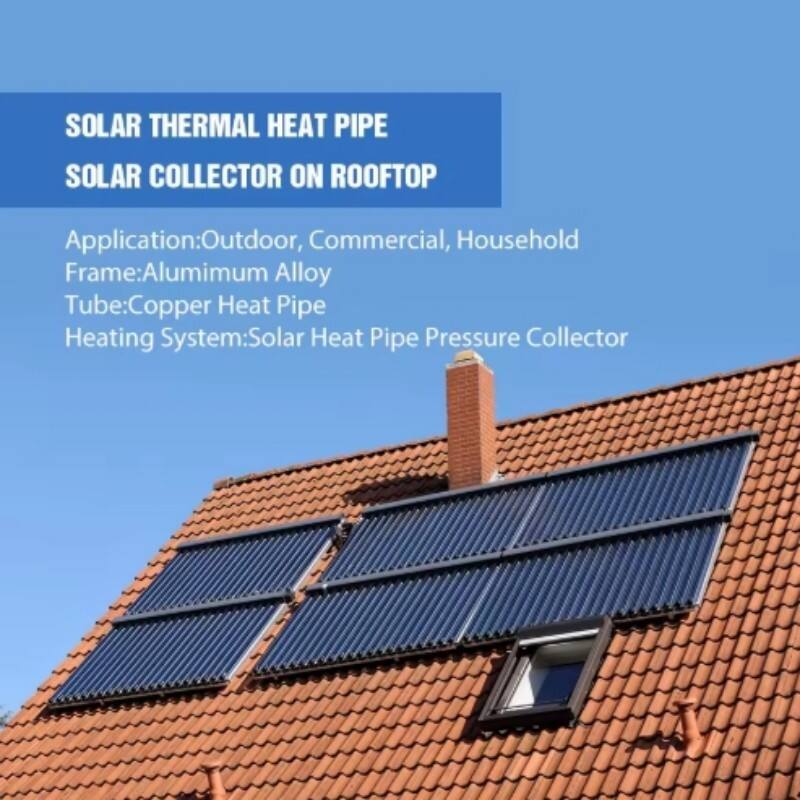
With Demax’s in-roof mounting system, a solid thermal bond is made with the building as the air gaps that lead to heat loss by convection are absent in standard roof mounting systems. When we install the solar collectors into the roof structure, it stabilizes surface temperatures to the ideal operational temperature and provides for consistent operational temperatures, which is necessary to mitigate performance impacts from thermal expansion and contraction that happens with the solar collectors, and the roof, day in and day out. Integrated systems have been demonstrated in wind tunnel tests to experience only about 12% of the lifting force challenges that standard rack mount systems experience. Because integrated systems experience less wind, they can have increased durability. In addition, integrated systems are designed to allow the airflow to provide adequate cooling to the solar collectors in order to optimize the operational efficiency of the solar collectors during the summer. Integrated systems are expected to provide improved performance over solar collectors that are mounted higher above the roof.
Lifecycle Cost Analysis: ROI and Maintenance Implications for Integrated Solar Collectors
From a naivety perspective, integrated systems may seem like a less desirable option because their installation costs are about 15-20% more than those of the conventional systems that require mounting. However, for integrated systems, that greater installation cost is offset later because of the reduction in needed maintenance. By eliminating the rooftop penetrations and exterior mounting hardware, maintenance costs are anticipated to decrease at least 40% over the next 25 years. Additionally, less wind and weather damage to the integrated systems means that companies may also see a reduction in their property insurance costs of about $130 per year. Also, photovoltaic units that are integrated into the roof are forecasted to produce higher total annual energy yields than those that are just mounted on the roof. All of the above factors are predicted to contribute to a break-even period that is 18 to 24 months shorter than what customers may have initially anticipated. The designed longevity of the integrated solar collectors is also predicted to be greater than that of conventional systems because the collectors are protected from fluctuating temperatures and weather. Industry professionals have predicted that the long-term ROI for integrated systems is often more than 22% higher than that of conventional systems.
Demax Solar Collectors: More Than Just Power Generation
Commercial Applications of PV/T: Actual COP ≥ 3.2 and
Demax has PV/T hybrid solar collectors that can do both electricity and heat generation from sunlight. In commercial applications, most of these collectors achieve a performance ratio of 3.2 which means that for every unit of energy (in heat or electricity) that is put into the system, there are 3 units of energy (in heat or electricity) that are produced. The special heat exchange technology is able to keep the solar cells cool and within the optimal operational range to maximize electricity generation. In fact, this technology can even produce an additional 8% and 12% in electricity generation. Additionally, this technology captures heat in a range that can vary from 60°C to 80°C. It is clear that most collectors do not use the heat that is provided in performing electricity generation.
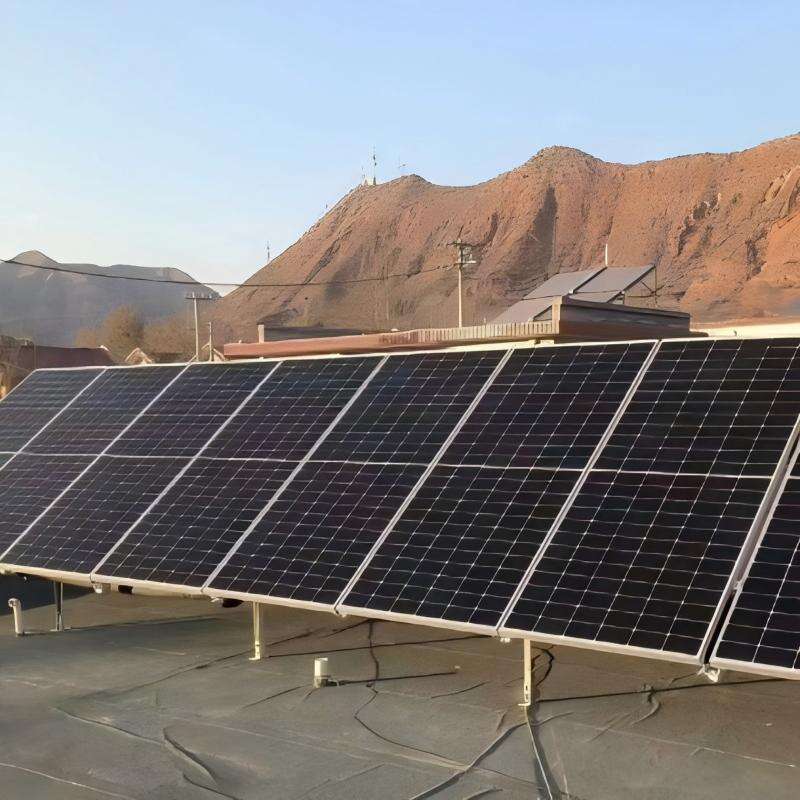
Hotels and hospitals can greatly benefit from Demax collectors because they produce between 120 to 150 liters of hot water daily for every square meter of panels they install. This can provide great savings because they spend 60 to 70 percent less of their water heating expenses. What makes Demax collectors unique is their all-in-one design so they do not have so many visible and messy pipes. Compared to traditional split systems, installers save about 30% of their setup time. These solar collectors are the first in the world to integrate roof-mounted, onsite electricity and thermal heat production. For every 100 square meters of collectors, captured solar energy reduces carbon emissions by 4.2 tons annually. This is a significant contribution to the environment and financial savings for large facilities.
FAQ
What are the aesthetic benefits of Demax solar collectors?
Demax solar collectors have a frameless design that minimize visual impact and provide better integration of the collectors with the roof. They have a seamless look because they can have the same design as the roof such as slate, tile, and metal. They also have a low profile installation that blends in with the building design while providing excellent performance.
How do Demax collectors maintain roof integrity?
They keep the roof's waterproof membranes intact by connecting the collectors without the need to drill holes. They also keep the roof from warping because they meet the International Building Code for Wind Resistance, increasing the roof's useful life.
What are the theremal benefits of in-roof mounting?
By eliminating thermal gaps with the building creating a better surface temperature stabilization, covering the thermal winds, it improves the life span of the system and improves system efficiency.
Are integrated systems more cost effective in the long run?
Integrated systems require a higher initial investment, but the long-term savings are greater. They lower maintenance costs due to lesser wind damage, and increased electricity production due to the integrated system, meaning faster return on investment compared to non-integrated systems.
What benefits do Demax collectors provide in commercial use?
In commercial use Demax PV/T hybrid systems are capable of increasing energy output by 12% and providing heating at 60 to 80 degrees Celsius, thus it helps to lower heating expenses and reduces the carbon footprint significantly.