
 EN
EN



Why Heat Pumps Are the Smart Choice for Commercial HVAC
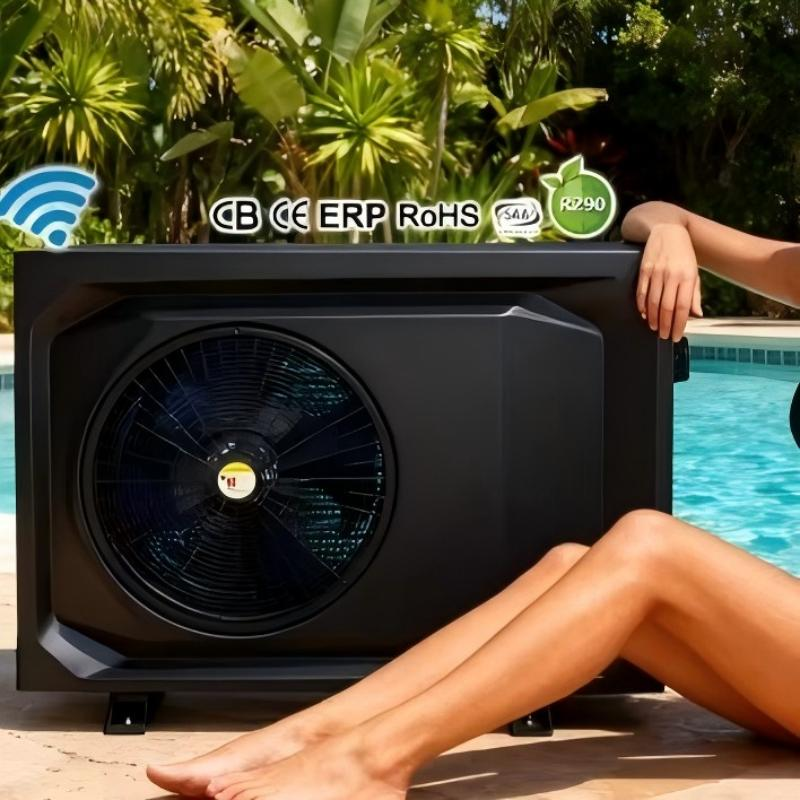
Commercial buildings that use heat pumps pay significantly less on their energy bills because heat pumps move heat instead of creating heat by burning fuel. One of the best parts about heat pumps is that one unit can do both the heating and cooling. This simple yet powerful idea can lead to significantly less energy being used for climate control in buildings, and it is a lot easier to manage. Commercial grade heat pumps can reduce HVAC energy consumption by 30 to 60 percent, which is a significant cost savings for businesses that are struggling with the never-ending rise in utility bills. Because heat pumps have low carbon emissions, they also help businesses meet goals and regulations when it comes to being eco-friendly. Thankfully, heat pumps are also designed to be used in cold climates and can be used to Climate control buildings in conjunction with solar panels. Although the cost to install heat pumps can seem high at first, there are often government incentives that can pay for 25% to 50% of the cost.Most businesses receive payback between three to seven years, with less maintenance concerns and equipment lasting longer than fifteen years. As heating and cooling systems account for more than forty percent of operating costs for commercial buildings, paying for this technology is not only financially wise, but also provides a competitive advantage in the market.
Heat Pump Types and Their Applications in Business
Heat Pumps That Use Air in Temperate Zones
Air-source heat pumps work by extracting heat from the outside air. This technology provides a positive return when invested in commercial buildings in regions which have more moderate climates and winters in which temperatures do not fall below freezing. With air-source heat pumps, the Installing costs are kept to a minimum as is the need for ongoing maintenance. In temperatures well below freezing, air-source heat pumps have reduced performance. However, modern versions have been developed for colder climates and are designed to operate efficiently in temperatures as low as -22 degrees Fahrenheit. Because of this, heat pumps are a good technology choice in the majority of the climates throughout Canada and the United States.
Ground-Source (Geothermal) Heat Pumps for High-Efficiency Facilities
Geothermal systems heat and cool buildings using the relatively constant temperatures found in the ground. Geothermal units have a coefficient of performance (COP) of 4.0 or greater making them very efficient. They will outperform traditional air-source units in terms of the energy consumed annually by 25% to 50%. They are, however, more expensive to install because of the ground loop excavation and drilling required. Due to the cost, these systems are most appropriate for applications where exact temperature control is needed, such as hospitals, research laboratories, or data centers where temperature fluctuations are unacceptable. In these cases, the investment is justified. Long-term studies by the U.S. Department of Energy show that, in the right geographical location, geothermal heat pumps outperform other commercial heat pump systems in terms of return on investment. Geothermal systems also have a long useful life, making their long-term performance more favorable.
Water-Source and Hybrid Systems for Large-Scale Operations
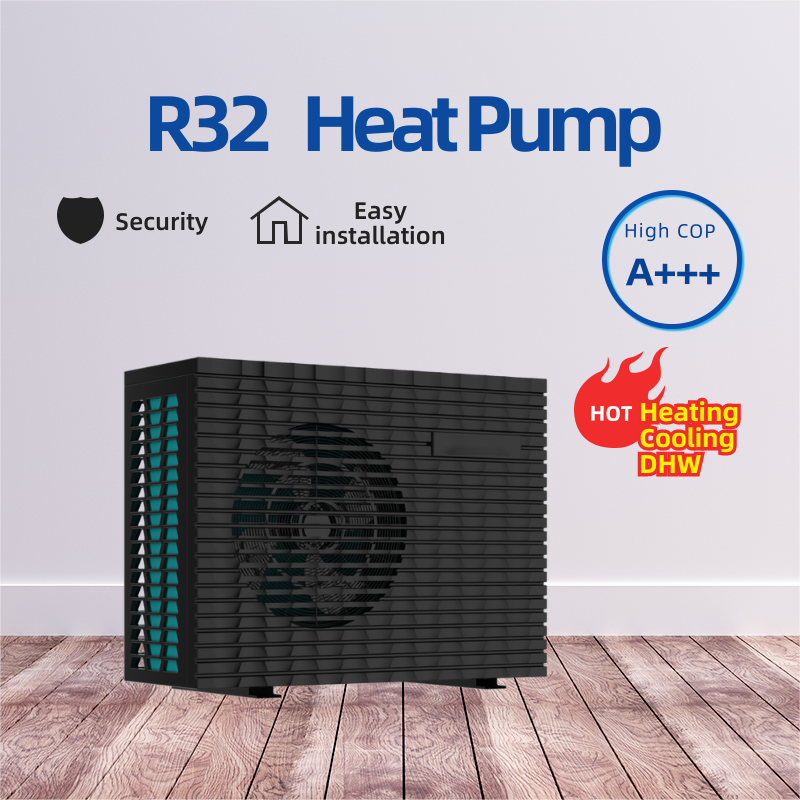
Water-source heat pumps offer flexible scaling and more stable temperature control for industrial applications on college campuses, factories, large buildings, etc. In these applications, water-source heat pumps are often integrated with geothermal or air-source main systems, with additional electric or gas heating as necessary. This helps to keep the coefficient of performance stable, even during extreme cold or peak heating demands. These systems are unique as they can be upgraded gradually. Large scale infrastructure can improve their heating and cooling systems incrementally rather than all at once.
Key Performance Indicators: Sizing, Efficiency, and Climate Compatibility
Heat Pump Capacity (BTU/ton) and Building Load Compatibility
Commercial heat pumps must be sized appropriately to prevent costly mistakes. Systems that are oversized tend to short cycle, which wastes energy and increases the frequency of failures. In contrast, systems that are too small work overtime trying to satisfy demand, which can increase operational costs by more than 30% according to the most recent industry statistics. Most professionals utilize Manual J or similar ASHRAE processes to analyze peak heating and cooling loads. However, insulation quality, window to wall ratios, internal heat sources, and building occupancy patterns are other critical factors that impact demand. Sizing systems based on square footage alone is inadequate. Hopefully, the experienced professional performs these calculations before the systems are ordered.SEER2, HSPF2, and COP Explained for Actual Performance
Efficiency measurement for cooling and heating has improved over time. It replaces older standards/laws identified cooling, heating, and energy savings in more precise ways, through incorporating more important factors. They include:
- SEER2 (Seasonal Energy Efficiency Ratio): Measures the cooling efficiency when the systems are used when they are supposed to. For optimal performance, commercial systems should have ≥18 in mixed-humid and hot-dry climates.
- HSPF2 (Heating Seasonal Performance Factor): Measures heating efficiency in cold conditions. For the northern U.S. and Canada, ≥10 is the target.
- COP (Coefficient of Performance): Measures instantaneous efficiency. For example, COP of 3.5 means 3.5 units of heat is delivered for 1 unit of electricity burned. A COP consistently >3.0 means proper design and commissioning across the seasons.
From 2023, SEER2 and HSPF2 are more accurately field tested for performance in duct loss and regional weather profiles and part-load operation standards/laws.
Total Cost of Ownership: Initial Cost vs Energy Cost
When it comes to commercial heat pumps, you have to look at the first cost and the last cost. Investments with Higher first costs are offset with operational efficiencies, longevity of the equipment, and the generosity of incentives offered increasing in time.
Commercial Heat Pump Installation Costs, Incentives, and Utility Rebates
Because of the price of the initial purchase and installation, commercial heat pumps are almost always more expensive than traditional HVAC systems. Thankfully, these costs can be reduced with the help of various rebates, incentives, and tax credits that are available on both state and federal levels. These can reduce the installation cost to businesses by 30-50%. For example, the most recent version of the Inflation Reduction Act offers tax credits of up to $5 per square foot of building space when businesses make upgrades to their facilities that improve energy efficiency. Utility companies also offer rebates as an incentive to businesses to be more energy efficient. Utility companies that offer these types of rebates include PG&E, Con Edison, and Duke Energy. They pay $1,000 to $5,000 per ton of installed equipment to businesses that install their energy efficient models. For businesses, the timing of these types of upgrades is related to the incentive program that is most beneficial to the company and offers the best return on investment.
Lifecycle Analysis: Maintenance, Lifespan, and ROI Over 15+ Years
Our analysis over 20 years shows heat pumps are more financially viable than conventional systems.
As for maintenance, the average cost is ~40% lower than conventional systems because pump systems don't need combustion-related services (ex. flue inspections, burner tune-ups).
Also, compared to gas furnaces and standard VAV systems, pumps save 40-50% on average for moderate climates. They also remain cost-competitive in colder zones with some additional appliances.
Our estimates show systems can last more than 15 years, while some geothermal systems can last 25+ years.
Most systems show ROI in the 4 to 7 year range, after which businesses see net-positive cash flow from reduced utility bills. EnergyStar (2023) estimates a 15 year operational cost of $740,000 for a 10,000 sq ft office including energy, maintenance, and replacement reserves.
Choosing a Trusted Commercial Heat Pump Partner and Installer
Choosing a good installation partner can make a system run 30% more efficiently and reduce the chance that the system fails early (ASHRAE Technical Committee 6.2, 2022). Be sure to look for contractors who have specific certifications from ACCA, NATE, or other commercial training programs provided by the manufacturers (e.g., Carrier Enterprise, Trane Commercial, Daikin Applied). Always look for:
• References for other commercial work (do not ask a contractor who has only done residential work for a reference)
• Proof of the manufacturer’s instructions for commissioning training and refrigerant handling
• Licenses, insurance, and bonds for commercial work
When it comes to load calculations don’t put yourself at risk of having a system that is too small for your needs. Ask any good HVAC contractor for their commissioning checklist first thing. It should cover things like making sure air flows properly throughout the building, checking that there’s the right amount of refrigerant in the system, and actually testing how all those control systems work together. Real professionals will hand over a clear maintenance schedule based on what ASHRAE calls Guideline 180P these days.
Following this type of blueprint enables technicians to keep running equipment at top functioning levels for well over a decade without the risk of equipment breaking down unexpectedly.
FAQ
What are the advantages of heat pumps in commercial buildings?
Heat pumps are designed to handle both heating and cooling to reduce operational costs and serve simple management. Due to their significantly low carbon emissions, heat pumps also assist in meeting the compliance of the local laws regarding the reduction of carbon emissions.
Are the installation costs of heat pumps greater than the costs of installing traditional HVAC systems?
Initially, heat pumps require a greater financial investment to install. However, this cost can be recovered through government and state incentives, utility company rebates, and the energy costs that are reduced in the years following the installation.
What are the major advancements that allow heat pumps to be used in very low climates?
Advancements that allow a heat pump to function in very low climates include technological advancements that allow heat pumps to extract heat from the environment and use it to warm a building. The environment is capable of being warmed from the bottom of the earth to -22 degrees F.
What should a buyer take into consideration before buying a commercial heat pump?
A buyer should consider the following before purchasing a commercial heat pump: proper sizing regarding the maximum heating and cooling loads, efficiency standards including those that are measured by SEER2, HSPF2, **and COP, and equipment that is installed by a certified professional to ensure that equipment operates at the optimum performance levels.
How long do commercial heat pumps last?
With regular maintenance, commercial heat pumps can last over 15 years. Geothermal commercial heat pumps can last over 25 years.
Table of Contents
- Why Heat Pumps Are the Smart Choice for Commercial HVAC
- Ground-Source (Geothermal) Heat Pumps for High-Efficiency Facilities
- Heat Pump Capacity (BTU/ton) and Building Load Compatibility
- Commercial Heat Pump Installation Costs, Incentives, and Utility Rebates
- Choosing a Trusted Commercial Heat Pump Partner and Installer
- FAQ