
 EN
EN



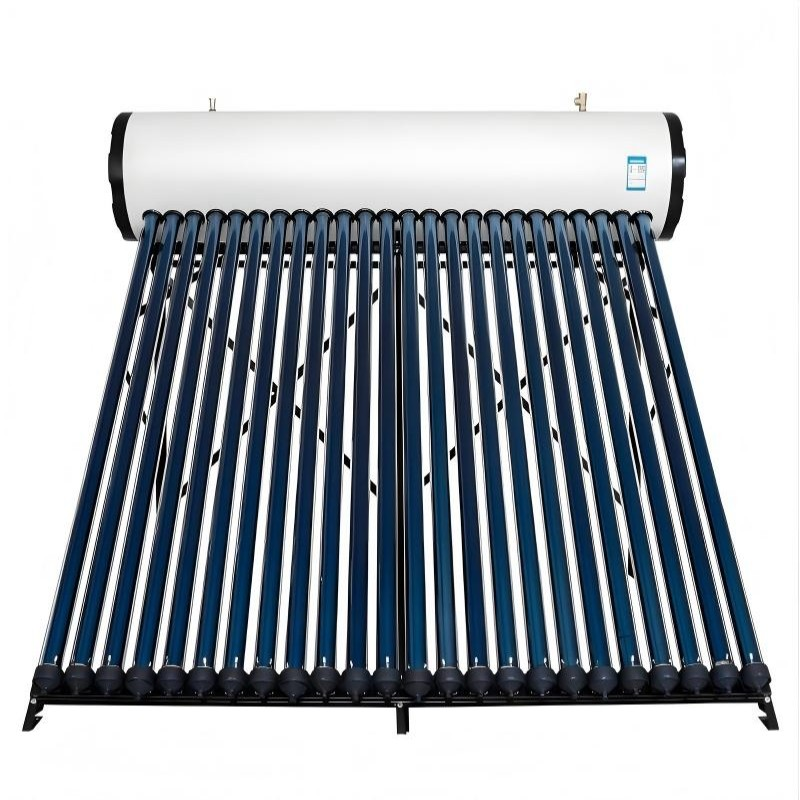
Working Principles and Design of Pressurized Systems
Pressurized solar heating systems use closed-loop systems. The heat transfer fluid (which can be water or a mixture of water and propylene glycol) is pumped at 50-100 psi through a collector panel roof and an insulated hot water tank. The primary advantage of these systems is their ability to connect to standard home plumbing systems. This means that all faucets and showers provide consistent water pressure and temperature, even if multiple users are using hot and cold water at the same time in multi-story buildings. To accommodate heat-induced expansion, the systems include special expansion tanks. In most installations, the pipe material of choice is either stainless steel or copper because these materials are highly resistant to corrosion. This makes them an appropriate choice for long-term performance, both in residential and commercial plumbing.
Thermosiphon systems that are under pressure function through a process called natural convection. With this process, rooftop solar collectors heat water. That heated water naturally rises to storage tanks that are located higher than the collectors. This means there are no pumps, and no expensive pressure-rated parts are needed. Most of the construction is done with inexpensive materials (like EPDM rubber and polypropylene). This type of construction is fine because the systems run at regular pressure (atmospheric pressure). These systems have special features for when temperatures drop below freezing (cold winters). They automatically drain and flush the water from the collector pipes to prevent freeze damage by bursting pipes.
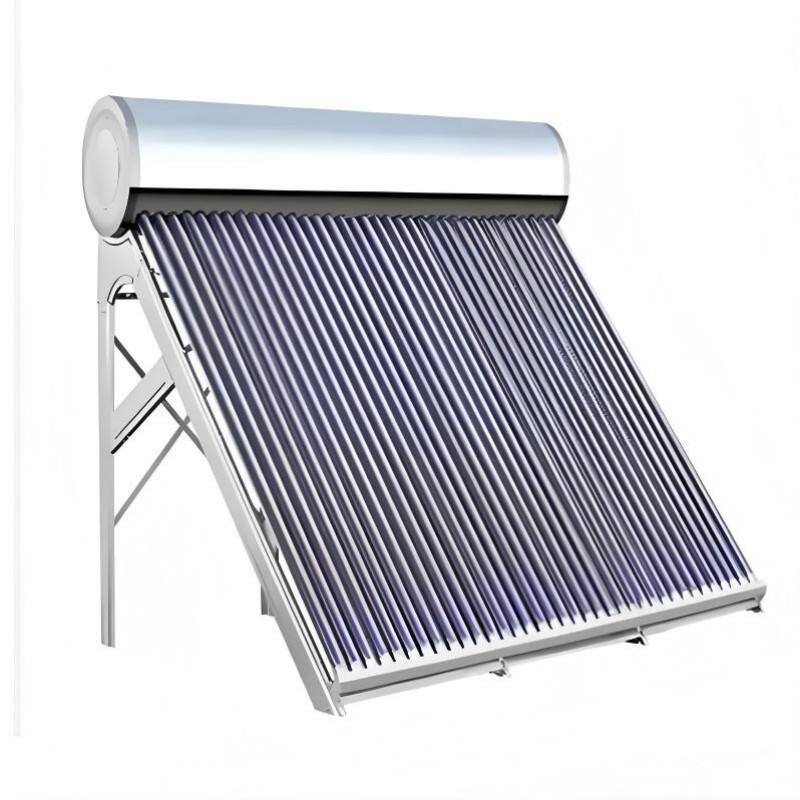
Key Material and Heat Exchange Differences
Differences in materials and construction are the result of differing fundamental operational principles. Due to the presence of sustained pressure, there is a need for high-integrity (corrosion resistant) metals such as stainless steel for the piping and heat exchangers of systems that are under pressure. Systems that are not under pressure do not have to meet these requirements, allowing for a greater use of polymer materials. This reduces the cost of construction significantly as well as the ease of installation.
Different systems have various ways of transferring heat. Units that are under pressure usually have internal coils, or jacketed heat exchangers, in well-insulated tanks. These designs keep potable water separate from the glycol loop. While this design leads to less chances of freeze problems, it results in more complexity in maintenance. Non-Pressurized systems are different. Some systems heat water in the collector itself, called a direct thermosiphon. Others are equipped with simple external heat exchangers. Non-pressurized systems tend to function better when temperatures are mild, and have better efficiency. However, sudden changes in temperature eliminate their performance and weather.
Fitting the Best Solar Water Heater to Your Site Conditions
Water Pressure, and Type of Plumbing and Building
Understanding the current water system is essential when determining the suitability of a system. Most modern construction uses a pressurized system, where water is sent to the units via main supply lines. Therefore, pressurized water heaters are ideal for apartment, condo, and multi-story residential buildings where water pressure is required on each floor. These systems are also ideal during the renovation of older buildings as they avoid the need for more extensive modifications to the existing structures, as may be required for conventional installations, to avoid utilizing roof or attic areas.
Gravity systems work great for non-pressurized systems, like in rural places, older homes with cold water tanks on the roof, or totally off-grid systems. Problems come when there isn't enough vertical space between the collection point, and the collection point intake. Typically you want a vertical difference of at least half a meter. This can be an issue with low pitched or flat roof buildings. A non-pressurized water system can underperform when water pressure is low (around 20 pounds per square inch of water), as water in these systems can be run slow and barely trickles. Meanwhile, a pressurized system manages this situation better. Always investigate existing plumbing before installation to minimize the need for pumps and valves. This is essential in older buildings where you want to disturb the plumbing as little as possible.Capacity of Roof Loads, Climate, and Risk of Freeze Assessments
We have seen that structural strength and weather resistance are critical studies before choosing a building for solar installations. A flat roof system usually adds between 30 to 50 kilograms per square meter. Non-pressurized systems tend to be lighter because they have smaller tanks integrated into the system design, which facilitates their installation on pre-existing structures. Most solar installations are fine with pitched roofs. However, there is one important consideration. Installers are to be aware that, along coast areas, there are stronger wind forces, thus increasing the mounting requirements by approximately 15 to 20 percent. This means certified racks installed by special certified installers are a must for these areas to ensure the system is storm proof.
The risk of freezing is an important factor when selecting heating systems. Regions experiencing zero-degree temperatures for more than two consecutive days annually opt for pressurized systems combined with glycol antifreeze solutions. This mixture prevents the pipes from freezing. The non-pressurized systems, however, depend on effective drain-back systems. This includes properly sloped piping for water drainage, safety valves, operational backups if something malfunctions, and an auxiliary power system for the control system. The drainage and control system requirements cause more maintenance concerns in such a climate. Conversely, with the exception of a few extreme freezing climates, tropical and permanently non-freezing climates permit the use of simple non-pressurized thermosiphon systems, which function efficiently for extended durations without the need for complex mechanisms. For regions with less than 200 days of sunshine annually, pressurized systems are a better option, as they are more effective than non-pressurized systems in cloudy weather. This is because pressurized systems allow for continuous circulation during extended periods of low sunlight which ultimately reduces the likelihood of system failure during periods of inclement weather.
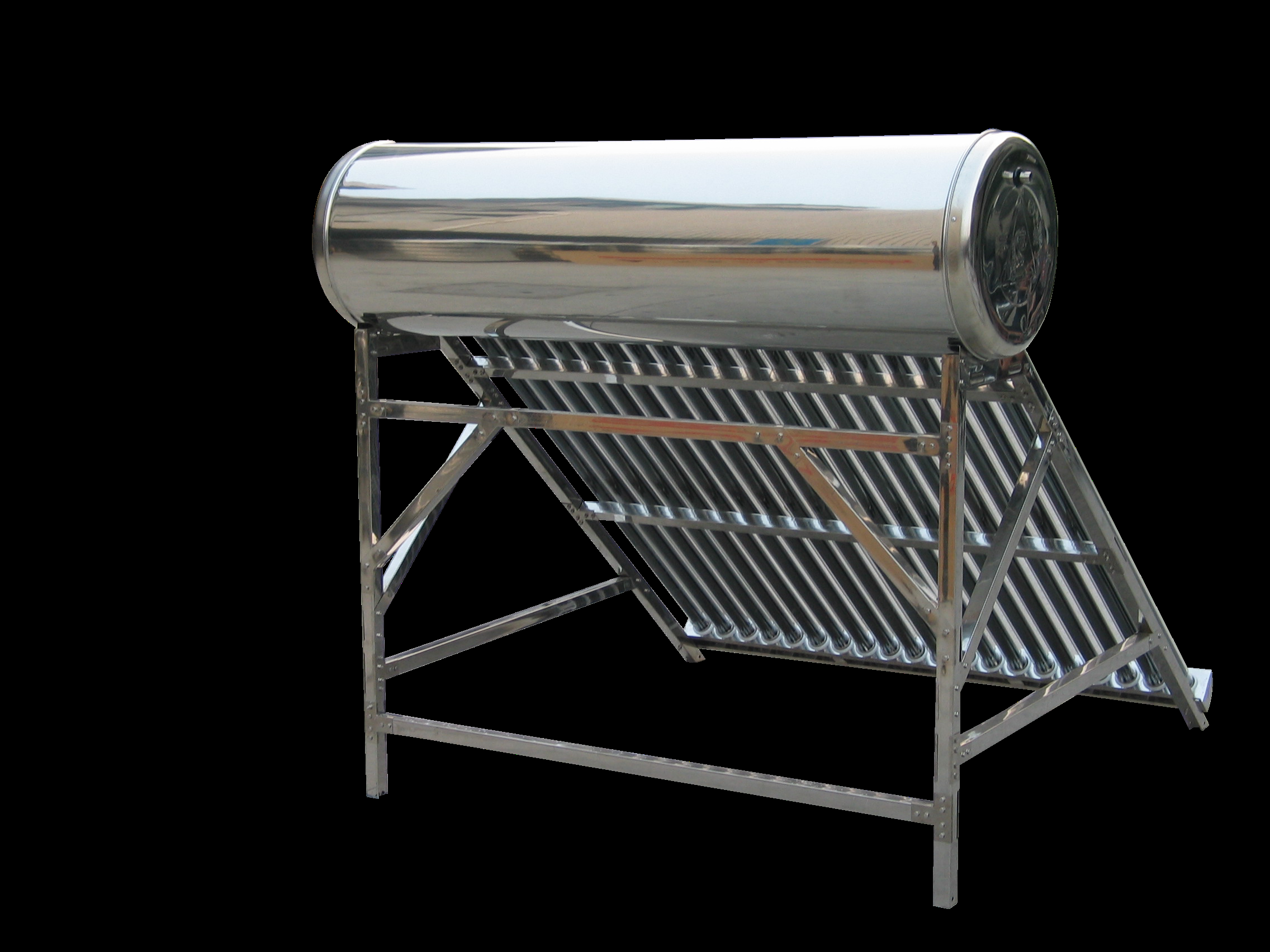
Practical Use and Efficiency of Different Types of Solar Water Heaters
There are two main types of solar water heaters: pressurized and non-pressurized. There are many different ways these two types of solar water heaters can be built and configured, and their construction and the weather conditions they face, as well as the skill of the installer, can greatly affect their performance. Quality installations usually obtain from 50 to 75% of their hot water needs from the sun. Pressurized models tend to achieve those higher percentages because the designs of their heat exchangers are better, allowing for more efficient flow maintenance through the pipes. This also makes them more efficient when the weather is colder or temperature fluctuations are present.
Pressurized and non-pressurized systems work differently when it comes to heat. Non-pressurized systems thermosiphon systems perform better about 10-15% better when it is warm and there is not the negative impact of pumps or heat transfer from components getting less effective. The other side of this is that pressurized systems perform consistently throughout the time average in each season and winter in yearly basis and in freezing temperatures about 30% better in the overall performance. However, the opposite of this is more in the tropical areas warm areas where the non pressurized systems simplified direct heating method is more effective.
When systems are installed, how well they work depends more on how attention is paid to the installation rather than the type of system in question. Getting the angle of the system right is very important and can even increase the output of the system by up to 25%. However, problems such as shadowing from other buildings, pipe sizing, and poor insulation can cut the revenue from the systems a lot more than other things that are built into the system. Maintenance is very important. Scale builds up on the inside of pressurized heat exchangers and if the exchangers are not cleaned, efficiency is lost at a rate of 12% per year. Non-pressurized systems are not as prone to scale problems, but they are more prone to the formation of air pockets and the build up of sediment in the open tanks. The most recent advancements in evacuated tube collectors are about 15% better than flat plate collectors so they are most recent most optimal. The most recent advancements in systems of collectors are applicable to both systems provided they are all installed correctly.
Total Cost of Ownership: Initial Investment, Upkeep, and ROI for Solar Water Heating Systems
WWhen calculating long-term costs, people often overlook expenses beyond the sticker price. Actual worth includes installation, routine maintenance, and the savings the system provides over the years. Most homeowners installing solar water heating systems spend $3,000 to $8,000, which includes the cost of the system. Pressurized units seem to land more towards the higher end of that range. This is due to the additional specialized components, such as heat exchangers and expansion tanks, as well as the glycol valve that is rated for high temperatures and more work for the installers. Conversely, non-pressurized models, such as basic thermosiphon models, seem to be cheaper at first. But if certain site conditions are not met, there could be additional expenses. Insufficient roof clearance and freezing temperatures may cause delays and higher costs for the drain-back control and heating solutions that must be added.
"Proper maintenance costs about half a percent of the system's overall installation ncost. This equals about $15-40 annually for checks on system status, top offs of pressurized glycol loops, and valve checks that occur every three to five years. Generally, pressurized systems take fewer technician trips if installed in colder climates versus non-pressurized systems that require mechanical drain back systems. The two biggest operational issues that impact non-pressurized systems are scale trapping and sediment. This is why conducting water quality tests is important, especially if the local water hardness is above seven grains per gallon. Treating the water to minimize mineral build up is important to preventing operational problems in the future"
According to the U.S. Department of Energy, the savings from solar water heaters are quite considerable. Their investments show solar water heaters savings of 50% to 80% on water heating costs. If a household changes a conventional electric heater with a Uniform Energy Factor of 1.0 to a solar unit, using the national average of electricity costs, that household saves $274 per year, and this may be even more for some households. Even with such savings, there are other considerations to be taken to analyze the return on investment. Energy prices are expected to increase by 2% to 5% yearly which increases savings. Also, the system will become less efficient with time. On average, systems lose from 0.5% to 1% of their efficiency each year. Incentives can also be considered such as the federal tax incentive of 30% of the costs and local rebates. All of these factors indicate that quality solar water heaters will pay for themselves within 6 to 12 years. Where it's cold and especially in multistory buildings, newly purchased pressurized models may cost a bit more, but can be more effective and longer-lasting.
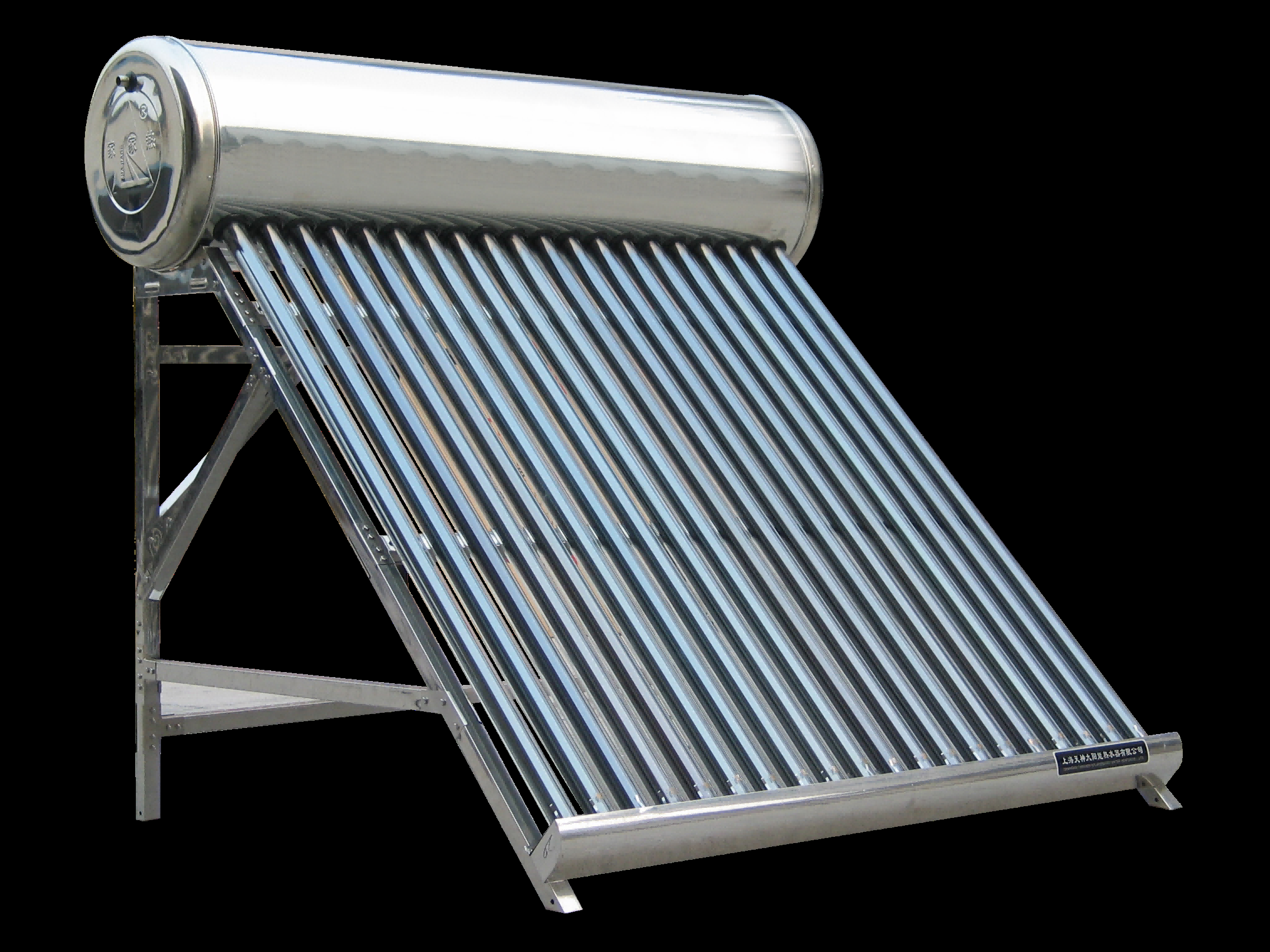
These systems keep the same reliability throughout the freeze periods, ensure the same pressure throughout the building, and save you repairs and maintenance services interruptions that other systems cost you.
FAQ
What differentiates pressurized from non-pressurized solar water heating systems?
What differentiates the two types is the way in which the two systems operate. In pressurized systems, the water is kept under a particular pressure in a closed loop configuration, whereas in non-pressurized systems, water moves due to natural circulation, thus no pump is required, and the pressure is maintained at atmospheric pressure.
What material is used in pressurized systems to avoid corrosion?
For the corrosion resistance at the pressurized systems, high integrity metals, copper and stainless steel, are used to safely contain the pressure in the pipes, heat exchangers, and tanks.
Are non-pressurized systems suitable for cold climates?
Non-pressurized systems are often less suitable for cold climates as they can suffer from freezing issues. They require good drain back features to prevent pipe damage from frozen water.
How do roof type influence the installation of the solar water heaters?
The angle of a roof may affect the installation of a solar water heater. Flat roofs add certain weight, while pitched roofs are generally accommodating. However, coastal areas require special mounting due to stronger wind forces.
What is the standard maintenance needed for solar water heaters?
Maintenance usually consists of checking the equipment, topping off fluids in pressurized systems, and checking for scale and sediment buildup. Testing the water quality on a routine basis is required to avoid deposits.