
 EN


The Longevity of Solar Thermal Solutions
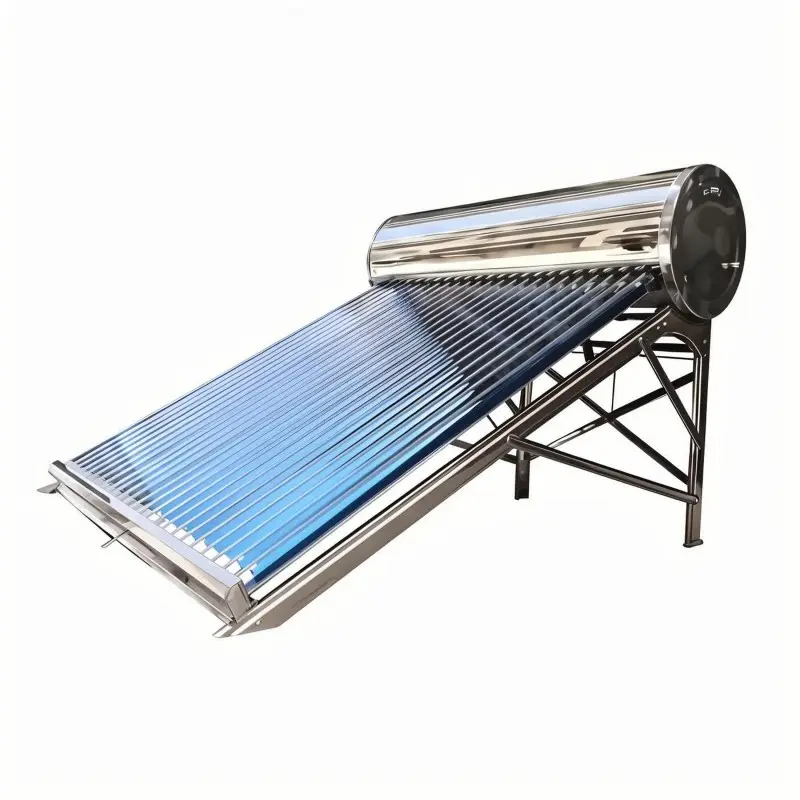
When investing in solar thermal infrastructure, the service life of the vacuum tube is the ultimate benchmark for success. These components act as the heat-harvesting engine of the entire system, and their ability to withstand decades of exposure determines the true value of the installation. While many components in renewable energy systems have defined lifecycles, high-grade solar thermal components are engineered for remarkable durability, often outlasting the supporting hardware themselves. Understanding what drives this lifespan is essential for facility managers and homeowners aiming for maximum efficiency.
Engineering Excellence in Thermal Retention
The durability of a modern vacuum tube relies on advanced material science. Constructed from high-borosilicate glass, these tubes are inherently resistant to thermal shock and environmental erosion. The vacuum space between the inner and outer glass layers is the secret to their performance; it acts as a perfect insulator, virtually eliminating heat loss through conduction or convection. Combined with a sputtered selective coating that maximizes solar absorption while minimizing infrared re-radiation, these tubes are built to maintain their structural and thermal integrity for well over two decades under normal operating conditions.
|
Degradation Factor |
Impact on Service Life |
Mitigation Strategy |
|
Thermal Cycling |
Fatigue of glass/seal |
Proper system stagnation control |
|
Scaling/Hard Water |
Reduced heat transfer |
Regular maintenance of heat pipes |
|
UV Exposure |
Minor coating aging |
Use of high-stability selective coatings |
Key Factors Affecting Durability and Performance
Real-world performance is rarely static. The lifespan of a vacuum tube can be significantly extended through proper site-specific planning. Factors such as the mounting angle, local water quality (if the system is a direct-flow type), and the frequency of system flushing play major roles. While the glass itself is exceptionally resilient, the connection points and heat-pipe interfaces are the areas that benefit most from professional installation and periodic inspection, ensuring that the vacuum seal remains intact and performance stays within peak design specifications.
Operational Best Practices for Sustained Performance
Ensuring that a solar thermal system reaches its full potential does not require constant intervention. Simple, proactive habits make a world of difference. Monitoring the system pressure and ensuring the heat transfer fluid is chemically balanced prevents internal corrosion. Additionally, keeping the surface of the vacuum tube free of significant debris or heavy calcium buildup allows for optimal solar absorption. By treating the installation as an integrated machine, owners can protect their hardware, ensuring that the solar harvest remains consistent year after year.
|
Lifecycle Stage |
Expected Maintenance Level |
Value Proposition |
|
Years 1–5 |
Minimal |
High initial energy yield |
|
Years 6–15 |
Periodic inspection |
Sustained operational efficiency |
|
Years 16+ |
Component evaluation |
Long-term capital expenditure saving |
The Economic Logic of High-Quality Components
The decision to source premium components is an investment in time. When comparing the lifecycle value of high-quality hardware against lower-cost alternatives, the distinction is clear: quality hardware reduces the frequency of replacement and minimizes service downtime. The economic logic is simple—higher upfront quality yields a lower total cost of ownership (TCO) over twenty years. Facilities that prioritize superior materials from the start invariably spend less on emergency repairs and see a faster, more reliable return on their initial energy investment.
Demax: Precision Manufacturing and Supply Chain Reliability
The reliability of any renewable energy installation is fundamentally rooted in the factory. Demax specializes in the production of high-performance solar thermal hardware, utilizing advanced glass-working technologies and rigorous quality control protocols that exceed international standards. By maintaining a transparent and robust supply chain, Demax ensures that every vacuum tube is manufactured with the precision required for long-term thermal consistency. Whether for large-scale municipal projects or precision residential heating, Demax provides the manufacturing excellence and technical reliability that define a true industry partner.