
 EN



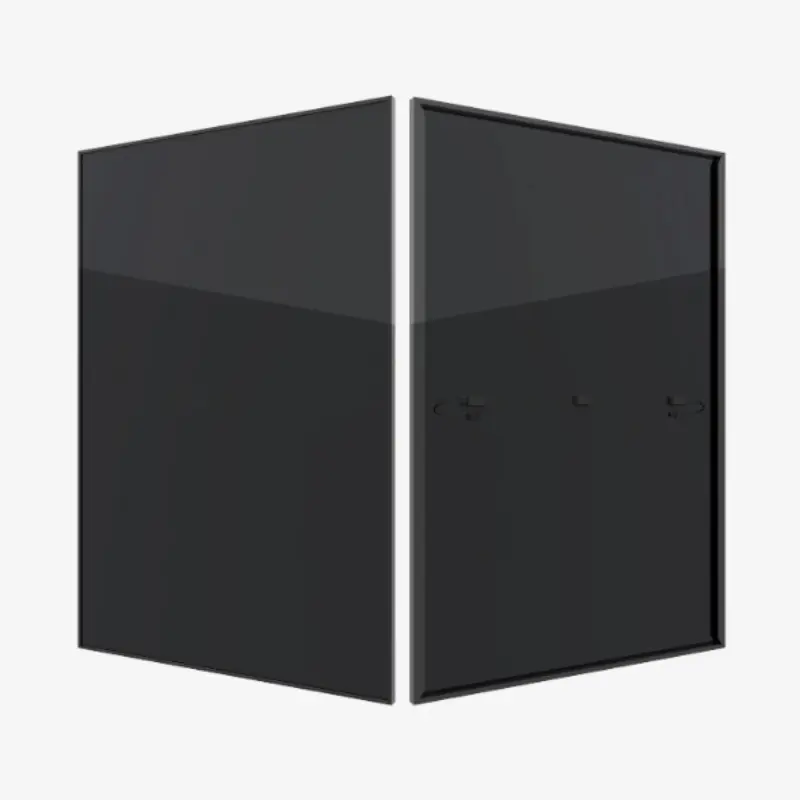
The Rise of Urban Renewable Energy
Urban living is undergoing a green transformation. For apartment dwellers and homeowners in dense cities, the balcony is no longer just an outdoor space—it is an untapped renewable energy resource. Integrating a solar panel into a balcony system is a smart way to offset electricity costs and contribute to a lower carbon footprint. However, the viability of these systems depends on choosing the right components that balance weight, durability, and energy production in a small-scale setting.
Engineering Solar Panels for Compact Spaces
Balcony solar systems demand precision. Unlike massive rooftop arrays, these modules must be lightweight enough for structural safety while maintaining high efficiency in variable light conditions. The ideal solar panel for these applications utilizes high-performance photovoltaic cells that minimize energy loss even when partially shaded by urban structures. Advanced engineering ensures these panels are resistant to wind loads and moisture, providing long-term reliability in exposed, high-traffic balcony environments.
|
Technical Parameter |
Balcony System Requirement |
|
Weight-to-Power Ratio |
Optimized for light support structures |
|
Structural Integrity |
Weather-resistant against high winds |
|
Aesthetics |
Sleek profile for urban integration |
|
Efficiency |
High conversion rate per square meter |
Key Considerations for Balcony Integration
Installation safety and ease of use are paramount. Before integrating any solar panel, users must assess the mounting angle, orientation, and local regulations. A well-designed balcony system uses modular, plug-and-play components that simplify the transition from traditional grid dependency to self-generated solar energy. Ensuring that the module is securely mounted and compliant with building safety codes is the first step toward a successful installation.
|
Installation Factor |
Impact on System Performance |
|
Tilt Angle |
Critical for maximizing seasonal yield |
|
Shadowing Patterns |
Requires high-tolerance cells |
|
Mounting Security |
Ensures safety in high-rise buildings |
|
Grid Connection |
Must meet local safety standards |
Maximizing Efficiency in Limited Footprints
Space is the ultimate constraint on balconies. Consequently, selecting a solar panel with high cell density is crucial. Modern modules designed for urban environments leverage bifacial or high-PERC technologies, allowing them to capture diffuse sunlight from reflections on building facades or balcony floors. This capability ensures consistent power generation even if the balcony does not have a perfect, direct southern orientation, significantly increasing the daily energy yield.
Strategic Value and Long-Term Benefits
Moving to balcony-integrated solar energy is a financially sound decision. By generating power during peak daylight hours—when household energy prices are often highest—users can dramatically lower their utility bills. The scalability of these systems also offers flexibility; as energy needs grow, users can easily expand their system with additional panels. This transition not only secures immediate savings but also increases property value in an increasingly eco-conscious real estate market.
Demax: Quality and Supply Chain Excellence
Reliability in solar energy starts with the factory. Demax specializes in providing high-quality modules that satisfy the rigorous demands of both large-scale commercial arrays and compact, urban installations. Through advanced automated manufacturing and a robust, transparent supply chain, Demax delivers the technical consistency and durability required for reliable residential energy. Whether designing a custom balcony solution or sourcing hardware for a complex project, Demax ensures that every unit is manufactured to the highest international standards, empowering users to transition to solar energy with complete confidence.