
 EN
EN



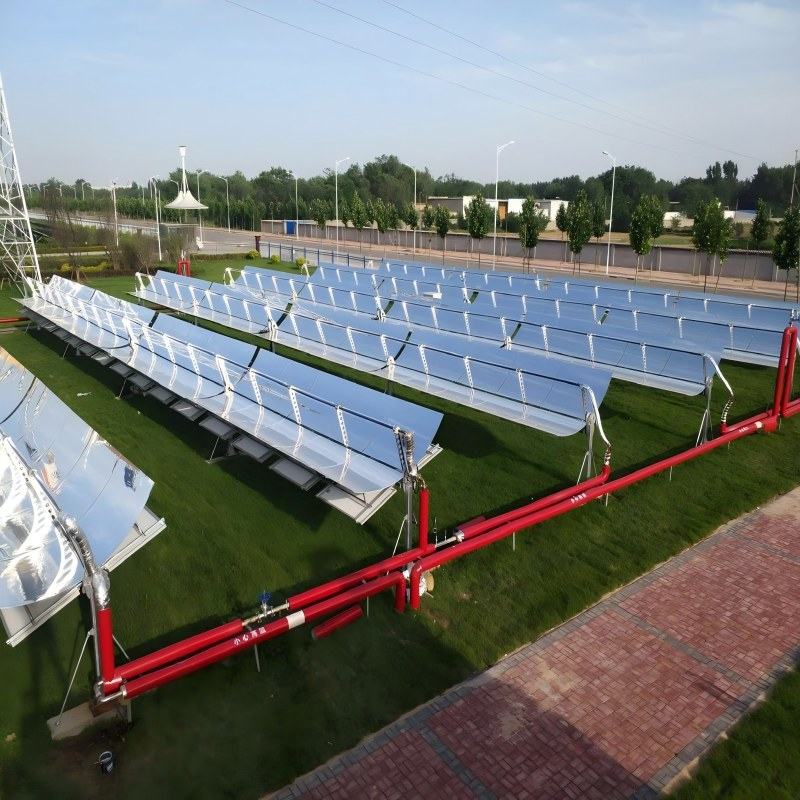
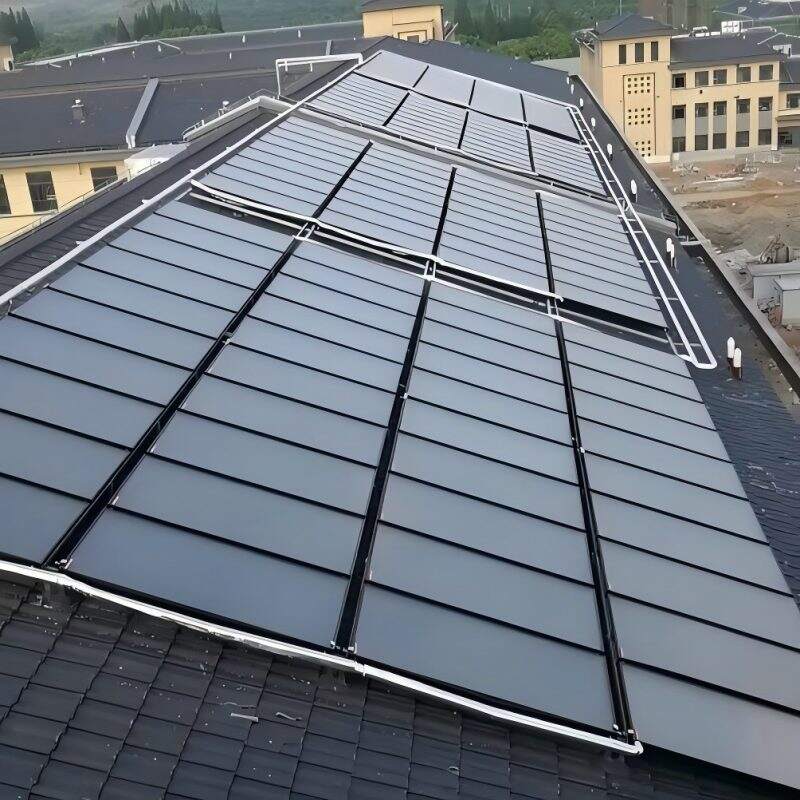
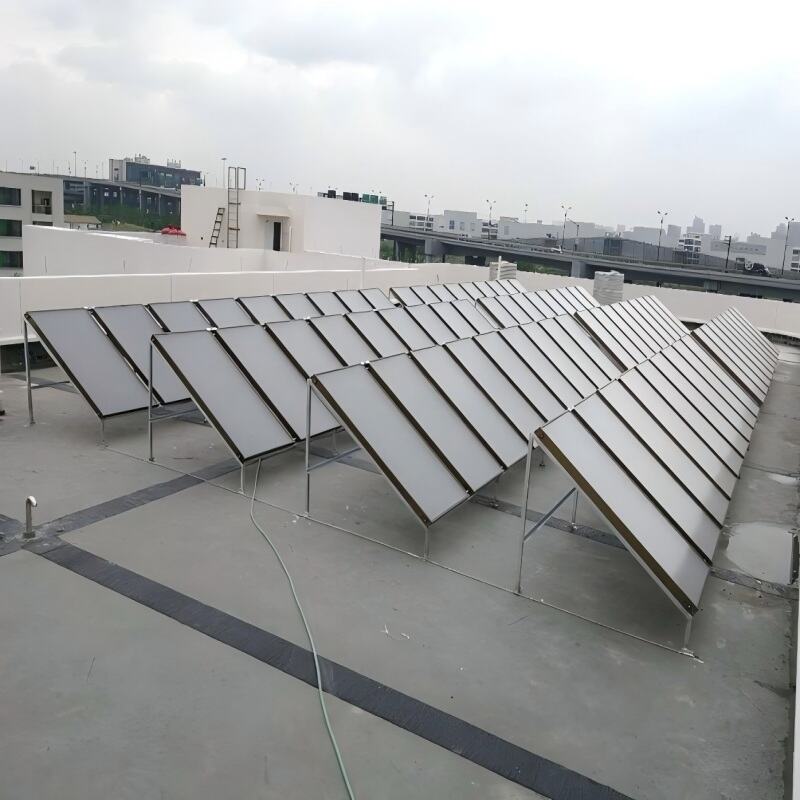
Demax Solar Thermal Temperature System Tiers: Low, Medium, High.
Demax specializes in solar thermal systems across temperature ranges, with collectors designed to maximize energy efficiency, longevity, and cost-effectiveness for applications in residential, commercial, and industrial settings.
Low-Temperature Solar Thermal Systems (≤60°C): Flat-Plate Collectors for Domestic Hot Water.
The Low-Temperature tier dominated by Flat-Plate Collectors which are designed to heat water for showers and household cleaning, laundry, and other domestic activities. The design is simple and robust, with low maintenance needs. They're built with copper absorber plates behind tempered glass. The systems are designed to provide a domestic need without a high output complexity. These systems can typically cut water heating energy use by 50-70 in areas with a lot of sun. Variants that are frost-protected can be used in colder areas. These systems use a propylene-glycol heat transfer fluid, and Mounting is using a non-adjustable system that includes a low cost install.
Medium-Temperature Solar Thermal Systems (60–120°C): Evacuated Tube Collectors for Commercial Pre-Heat
Evacuated tube collectors (ETCs are used in this range, where vacuum-sealed borosilicate glass tubes are used. These materials ensure that convective heat loss is suppressed. This allows for an output of 80-110°C, enabling a range of applications. These include hotel laundry, pre-wash food, and dairy sanitizing. Selective coats of high efficiency are maintained up to a 25° incidence angle, allowing for a range of applications. The modular configuration supports systems of 20 kW up to multi-megawatt. A 2023 brewery study found that ETCs cut fuel consumption for the steam boiler by 34% annually, indicating the operational value in thermally intensive facilities.
High-Temperature Solar Thermal Systems (120–250°C): Concentrated Modules for Industrial Process Heat
Parabolic troughs and linear Fresnel reflectors concentrate sunlight by 80–100× onto insulated receiver tubes, achieving temperatures required for industrial process heating. These systems enable fossil fuel-free thermal inputs for textile dyeing, chemical synthesis, and metallurgical pre-heating. Heat transfer occurs with thermal oil or molten salt, with insulated storage tanks providing <3% daily thermal loss. At 200°C+, these systems offer 22–28% solar-to-thermal efficiencies thereby replacing combustion-based boilers and eliminating on-site emissions. Integrated dual-axis tracking adjusts to seasonal sun angles, maintaining focus and output throughout the year.
Key Factors Influencing Actual Solar Thermal Operating Temperatures
Solar Thermal Output Influences Due to Solar Irradiance, Collector Tilt, and Orientation
Solar irradiance is the most significant factor affecting peak thermal output with higher in-solations leading to quicker temperature rises and increased energy yields. Optimal tilt and orientation (typically at-site latitude with true south [north in the Southern Hemisphere]) can enhance annual energy capture. Deviations beyond ±15° can result in a ~20% effective output temperature loss. In addition, performance is affected by seasonal sun path shifts, therefore, tilt adjustments are recommended for fixed-tilt installations. Cloud cover and atmospheric conditions can also create real-time performance variability, which underscores the need for integrated monitoring systems to improve the accuracy of thermal forecasting and control.
Insulation and optimized heat transfer fluids for improved thermal loss control
Without adequate insulation, thermal energy losses can be as high as 30%. This makes high-density mineral wool or closed-cell polyurethane foams vital for insulating pipes, manifolds and storage tanks. Critical, too, is the selection of the heat transfer fluid (HTF); for example, a glycol-water mixture offers improved freeze-protection and a higher boiling point than water alone. Similarly, constant high temperature operation of the HTF degrades the fluid and can reduce the specific heat capacity by 15–25% annually, if unmonitored. Therefore, regular fluid testing and integrity assessment of the insulation is critical, especially in sub-zero scenarios where the increased viscosity poses a greater energy demand to keep the fluid in motion and may even cause flow stagnation.
Field-validated Solar Thermal Performance: Real operating temperature data from installations in EU and Australia
Lisbon Case Study: 87-kW Demax Array, Achieved 92°C Sustained Output Despite Variably Cloudy Conditions
A 12-month case study conducted in (February 2022 - February 2022) Lisbon, validated that 87-kW Demax solar thermal array high temperature collectors can sustain thermal delivery of 92°C while defying the odds of the common intermittent cloud cover. This array surpasses conventional solar thermal collector systems that experience a temperature drop of 15 - 20°C in similar variations in solar insolation. It is the result of cutting-edge thermal retention materials combined with advanced dynamic flow control algorithms enabling a response to changes in light in-stimulation within a 90-second window. The outcome is consistent thermal delivery for continuous duty applications such as food processing and sterilization. The Lisbon installation offers a 30% annual cloud coverage from intermittent, Mediterranean climate and establishes a case for consistent solar thermal energy deployment for thermal storage and heating applications in variable climatic zones.
Demax Solar Thermal Systems - Frequently Asked Questions
What variations of Demax solar thermal systems are there?
There are low, medium, and high-temperature systems offered by Demax, designed for residential, commercial, and industrial use, respectively.
How do low-temperature flat-plate collectors work?
They are designed for domestic use (showers, laundry) and heat water in collectors by using a copper absorber plate and tempered glass.
What are the advantages of evacuated tube collectors?
Due to the use of vacuum-sealed tubes, heat loss is minimized, therefore, these collectors are suitable for commercial use (e.g., hotel laundry) and are for use with consistent output.
How do high-temperature systems for industrial applications work?
They use thermal oil or molten salt to generate the temperature required for industrial processes and concentrated modules to do so.