
 EN
EN



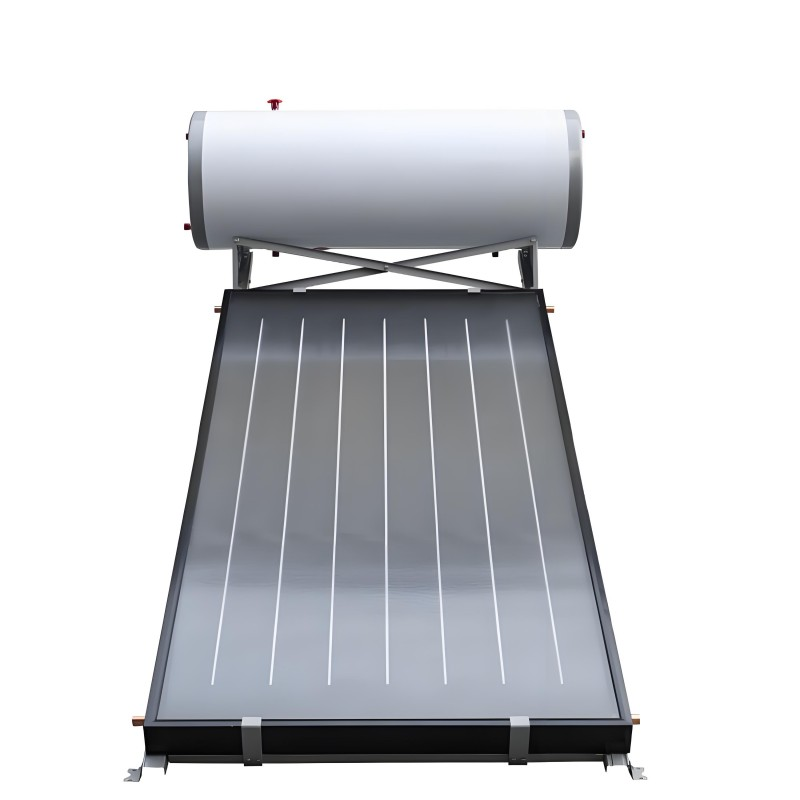
Adjusting the Output from Flat Plate Solar Collectors to Heat Demand of Industries
Low- and Medium-Temperature Industrial Processes that Use Flat Plate Solar Collectors
Flat plate solar collectors are well-matched to meet the demands of industrial processes that need heat in the range of 60-90°C. Food and beverage pre-heating (60-80°C), textile dyeing (70-90°C) and sterilization of equipment and materials (70-85°C) are some of the processes that require heat in this range. All of these applications are well aligned with the thermal output limits of standard flat plate systems as there is a rapid and significant reduction in efficiency with a rise in temperature above 85°C. For example, dairy pasteurization is a controlled heat process that requires 72-75°C which is well within the operating range of existing flat plate collectors. IEA SHC Task 49 reports that the manufacturing industries that operate with process heat < 90°C account for 65% of global manufacturing energy that is consumed. This emphasizes that there is a significant opportunity for decarbonizing the energy consumed globally by integrating solar thermal on a targeted basis.
Recent Implementations Case Study for Pre-heating Breweries and Dyeing Textiles.
Real world deployments confirm the technical and economic viability of these systems as seen in the following cases.
A German based Brewery using flat plate collectors achieved a 40% reduction in natural gas by pre-heating wash waters to 75°C.
Also, a textile manufacturing facility obtained a 68% solar fraction for dyeing vats (85°C) using staged collector arrays and a stratified thermal storage.
During partial cloudy conditions when temporal irradiation was present, both systems demonstrated the ability to deliver a consistent output thanks to the improved selective absorber coatings which significantly reduced emissive losses and the thermal performance of the systems was shown to be 12-18% higher in the field relative to the legacy systems. This demonstrates that Flat Plate Technology can be relied on to deliver consistent industrial thermal loads when the thermal demands are in a close range to the solar thermal supply.
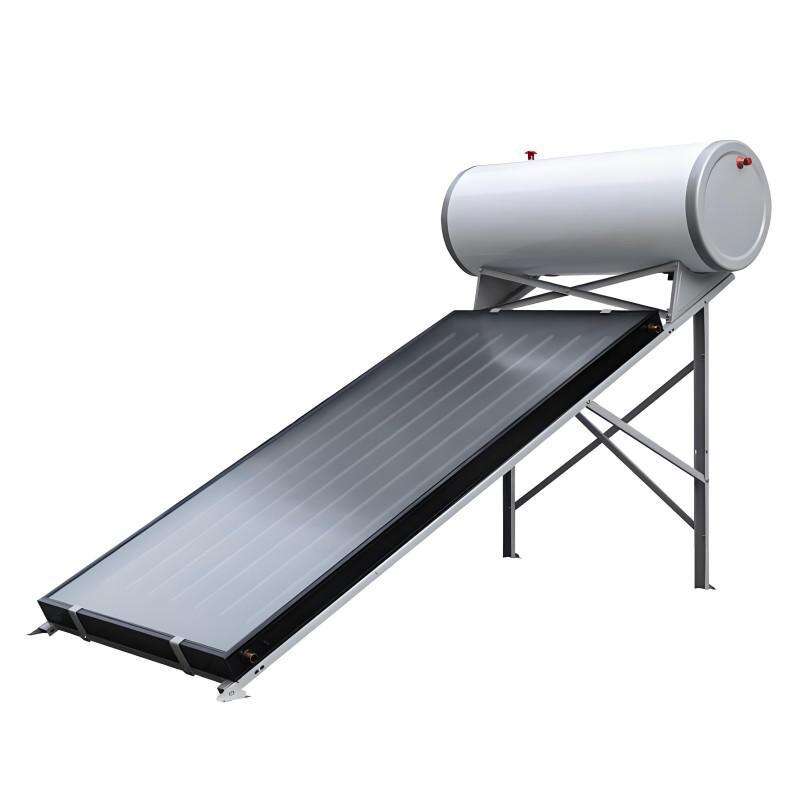
The Limits of Operations Temperatures of Flat-Plate Solar Collectors in Industrial Uses.
Why Efficiency Starts Declining Above 85°C: The Dynamics of Thermal Losses and Empirical Data from IEA SHC Task 69
The efficiency of solar collectors drops significantly above 85°C resulting from increased losses by radiation and convection. The higher the temperature of the absorber, the higher the rate of radiation (according to Stefan-Boltzmann law) and the higher the rate of convection between absorber and glazing. IEA SHC Task 69 (2023) measured a 22% reduction in efficiency at 95°C as compared to 75°C at the same solar irradiance, thus confirming 85°C as a practical limit of conventional flat-plate collector designs with no advanced insulation. Thus, beyond this temperature, the heat losses become greater than the solar heat gains and steaming processes over 100°C are not feasible without other technology.
Innovations of Usable Range Extentions: Selective Absorbers and Hybrid Vacuum Insulation Designs
Coatings of selective absorbers increase the operational range significantly by maximizing the solar absorption of the coating (up to 95%) and at the same time reducing the infrared emittance (5-10%). The combination of selective absorbers with hybrid-vacuum insulated panels, which eliminate the convection loss pathways under the absorber, allows modern flat-plate collectors to sustain useful efficiencies up to 110°C. This will permit the collectors to be used in other applications such as high-grade sterilization and medium-pressure steam generation. Initial field trials and testing have confirmed these systems above 90°C will generate approximately 18% more than standard flat-plate systems.
System Integration Considerations for Continuous Industrial Use
Selection of Heat Transfer Fluids: Pressurized Water versus Glycol Mixture Considerations for Corrosion, Freeze Protection, and Maintenance
The selection of heat transfer fluids has a significant effect on the longevity, safety, and efficiency of the system. Pressurized water has a 15% higher thermal conductivity than glycol mixtures (International Energy Agency, 2023), which results in higher collector output and a reduction in pumping energy. However, in freeze-prone environments, glycol-based fluids (typically propylene glycol for food-grade compliance) have significant disadvantages:
- Thermal degradation caused by temperatures exceeding 120°C generates acidic byproducts that increase corrosion rates
- Annual testing and replacement of fluids imposes an additional ~18k/MWth in maintenance costs
- A 35% increase in viscosity results in greater pump inefficiency and higher parasitic load
Robust freeze prevention measures such as drain-back or freeze-tolerant piping can be used in systems with water-based fluids. Long-term deterioration of the fluid isn't a problem. Propylene glycol fluids are required in regulated environments, such as food processing, even with their disadvantages.
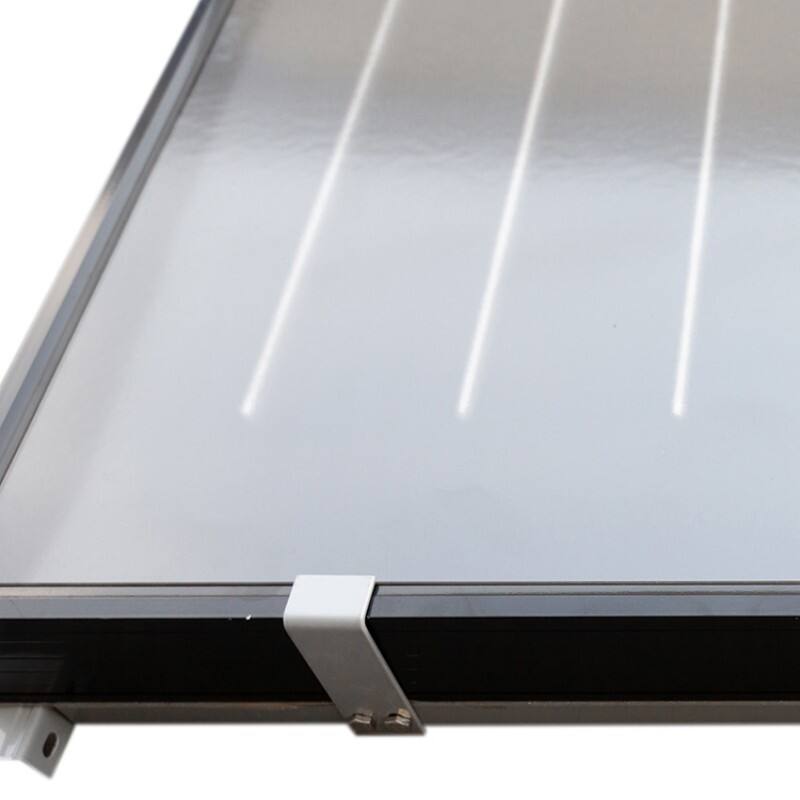
Staging Flat Plate Solar Collectors for Different Process Loads (e.g. pasteurization versus washing) Temperature Zoning Strategy
Dividing thermal circuits by process temperature Zoning allows for better solar utilization across a wide variable demand profile. The spatial separation of washing circuits at lower temperatures (40-65°C) and pasteurization circuits at higher temperatures (70-85°C) enables optimal sizing of solar collectors and prioritization of heat routing. This approach employs:
- Parallel collector arrays tailored to specific load temperatures
- Priority valves that direct solar heat to more valuable processes that are time-sensitive
- Temperature-controlled diverters that provide protection to low-grade processes from overheating
Breweries using this method have reported a 60% displacement of boiler load during peak solar hours and a 22% reduction in payback period. This demonstrates that thermal staging of processes can optimize value capture outside of system redesign from flat plate solar systems.
FAQ
What are the temperature limits of solar plate collectors, in an industrial setting?
Most food and beverage industries, textile dyeing, and steam sterilization equipment processes use heat in the 60-90°C range, and flat plate solar collectors are well suited for that.
What causes the efficiency of flat plate collectors to drop dramatically above 85°C?
As the temperature of the absorber increases, the radiative and convective losses increase, causing a drop in efficiency.
What are some ways flat plate collectors have been adapted to achieve higher temperature applications?
In modern applications, selective absorber coatings and hybrid vacuum-insulation panels allow flat plate collectors to operate up to 110°C, providing more extensive use.
What are some maintenance issues related to the use of glycol for heat transfer?
Heat transfer fluids are more viscous and operate less efficiently, have a tendency to corrode at high temperatures (degrading above 120°C), and require more frequent testing, replacement, and associated costs.
What are some advantages of temperature zoning in an industrial solar system?
Utilizing temperature zoning or segmentation of the thermal circuits by process grade allows for the most efficient use of solar energy at varying temperature levels, improving the overall efficiency and value of the system.