
 EN
EN



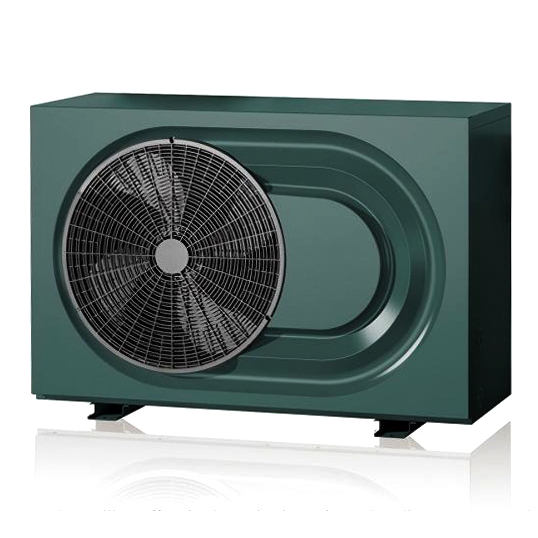
Core Thermodynamics: The Science of Extracting Heat from Air at Extremely Low Temperatures
Ultra-low temperature heat pumps have shown that limitations that once seemed practically unbreakable can, in fact, be transcended.
Heat pumps are challenged at lower temperatures because they are limited by available thermal energy in the surrounding ambient environment that they are designed to absorb. Even at extreme temperatures, the air still contains thermal energy that can be utilized. Ultr-low temperature heat pumps use novel refrigerants that have been designed to be effective even below -50 °F ( -32 °C). With the use of an adjusted vapor-compression cycle, ultra-low temperature heat pumps are able to harvest the limited ambient thermal energy at a higher grade and demonstrate that even extremely cold air has thermal energy.
Low-GWP Refrigerants and Optimized Vapor-Compression Cycle
The latest cold-climate systems utilize an optimized vapor-compression cycle that is designed to maximize the efficiency refrigerants of the next-generation, lower-GWP, climate-neutral refrigerants, such as propane (R-290) and difluoromethane (R-32). These refrigerants are designed to flow quickly and remain stable at sub-zero temperatures, thus eliminating the refrigerant's viscosity that slows down the cycle and prevents the refrigerants from being effective in the older refrigerants. The combination of larger microchannel heat exchangers, that maximize the surface area for better heat transfer, combined with varying compression ratios, all work together to maintain a consistent efficiency through a large ambient temperature range. The field testing has shown that utilizing these combination of system configurations can lower the energy use by as much as 30 to 40 percent compared to the previous models while providing a reduction of the negative impact to the environment.
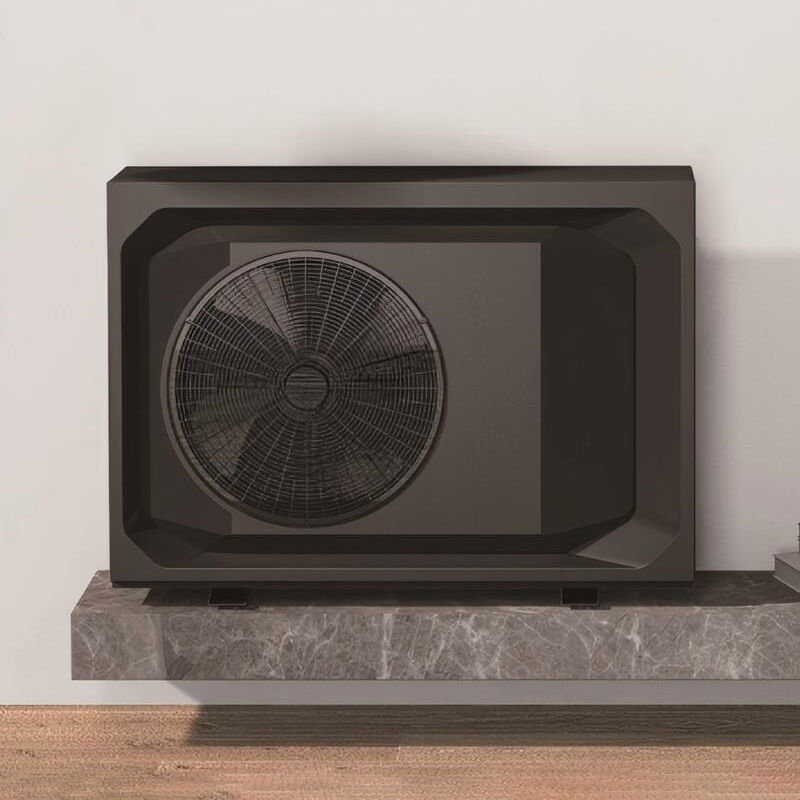
Critical Enabling Technologies for Cold-Climate Heat Pump Performance
Variable-Speed Inverter Compressors for Stable Output Down to -35°C
Variable speed inverter compressors utilize new technologies to achieve a higher degree of reliability and efficiency. This enables their reliable operation at ambient temperatures down to -35°C while virtually eliminating temperature overshoot and mechanical wear and tear. In addition to this performance, inverter technologies, as a result of system design improvements, reduce energy use by up to 30% compared to fixed-speed units. This extended equipment life in tough design conditions, such as severe winter environments that cause conventional equipment to frequently trip offline or require assist functions such as auxiliary electric resistance heating or standby resistor heating.
Vapor Injection (VSI) for Enhanced Heating Capacity and COP Preservation
Vapor injection addresses the steep capacity drop (and therefore the performance drop) associated with air-source heat pumps at deep cold. Injection of mid-pressure refrigerant vapor to the compressor results in a very effective two-stage process that:
Boosts refrigerant mass flow by 15-20% at -25°C
Maintains a COP above 2.0 even at -30°C
Lowers discharge temperature of the compressor by 10-15°C
Advanced intelligent controls optimize the timing and volume of injection vapor to the compressor so as to maintain efficiency while maximizing the available heating capacity during extended cold weather.
Real-World Efficiency: COP, Capacity Retention, and Defrost Intelligence
COP Comparison: Demax Heat Pump vs. Standard Air Source Heat Pumps at -25°F
St andard air-source heat pumps have COPs below 1.5 at -25°F (-32°C), making them less efficient than electric resistance heaters. On the other hand, integrated cold-climate designs, like Demax units, sustain COPs greater than 2.0 because of the combination of variable-speed compression and vapor injection. This means over 40% greater efficiency with a retention of approximately 80% of rated heating capacity, compared to conventional models which have a retention of 40-50%. This means, for a 2,000 ft² typical home, there is a seasonal saving of about 1,500 kWh.
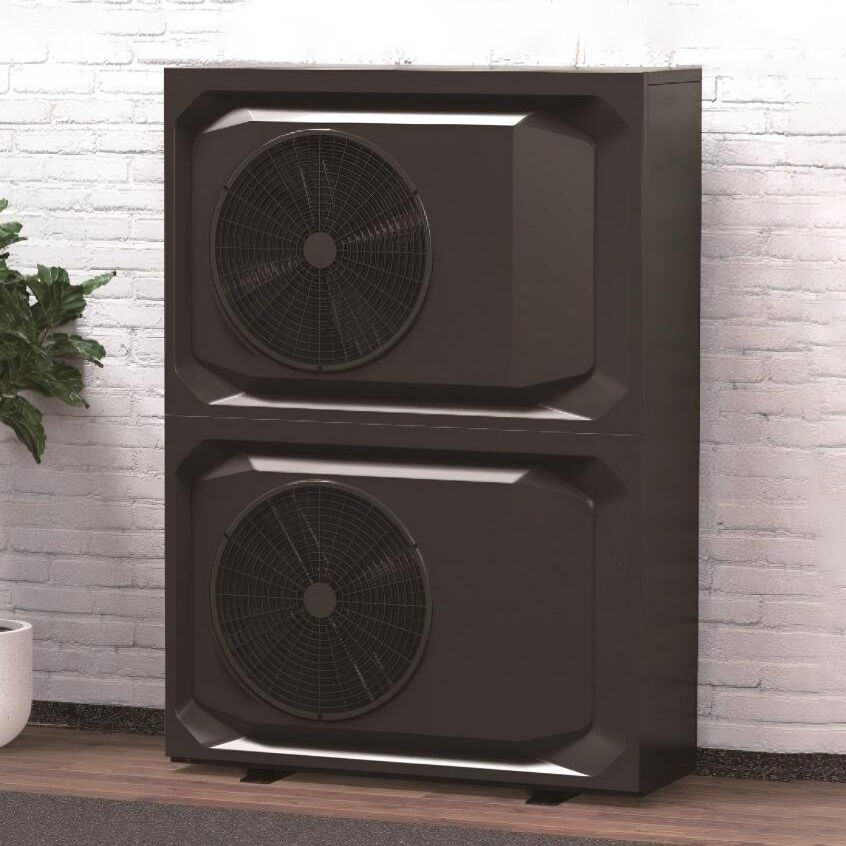
Smart Defrost Algorithms That Minimize Energy Penalty Without Sacrificing Reliability
Defrost cycles controlled by a timer are typically wasteful, taking 5-10% of heating output for the winter season to perform an unnecessary reverse-cycle. Newer, cold-climate heat pumps utilize a sensor to determine whether defrost is required due to ice accumulation that is impeding heat transfer. Heat recovery during defrost is partial and used to maintain heat in the defrosted components of the system. Also, adaptive models use machine learning to predict defrosting intervals based on local humidity and weather patterns to reduce defrosting by 30-60% and also reduce the frequency of defrosting. In Minnesota, at -20°F, these techniques were shown to reduce defrost related capacity loss to less than 3% with no increase in system failures.
FAQs
In sub-zero conditions, what is the main advantage of using ultra low temperature heat pumps?
Ultra-low temperature heat pumps use advanced refrigerants and optimized vapor compression cycles, enabling thermal energy extraction and utilization even at extreme sub-zero temperatures. With it, there are no the conventional heat pump limitation drawbacks.
In cold climates how do variable speed inverter compressors help?
In cold climates, variable speed inverter compressors substitue the inefficient and and energy-wasting on/off cycling operation with a more efficient, active, continuous modulation, leading to a reduction in temperature swings, energy waste and extending life of the equipment, especially during the roughest of winters.
What role does vapor injection (VSI) technology play in enhancing cold weather heat pump performance?
When applied with VS technology, the heat pump refrigeration cycle is able to increase the mass flow of heat absorbing refrigerant within, while maintaining higher Coefficient of Performance (COPs). The effect of this is that of a double stage compression effect for the heat pump, which augments the level of heating capacity, even in extreme cold environments.
What are smart defrost algorithms?
Rather than allow energy usage from a traditional time-based cycle defrost method, smart defrost algorithms activate the defrost cycle only when frost is detected by sensors. They also utilize a method of defrost that employs a partial heat recovery, in order to improve the energy efficiency of the method. In conjunction with this, they apply machine learning to assist in learning the atmospheric weather to provide energy efficiency improvements.