
 EN
EN



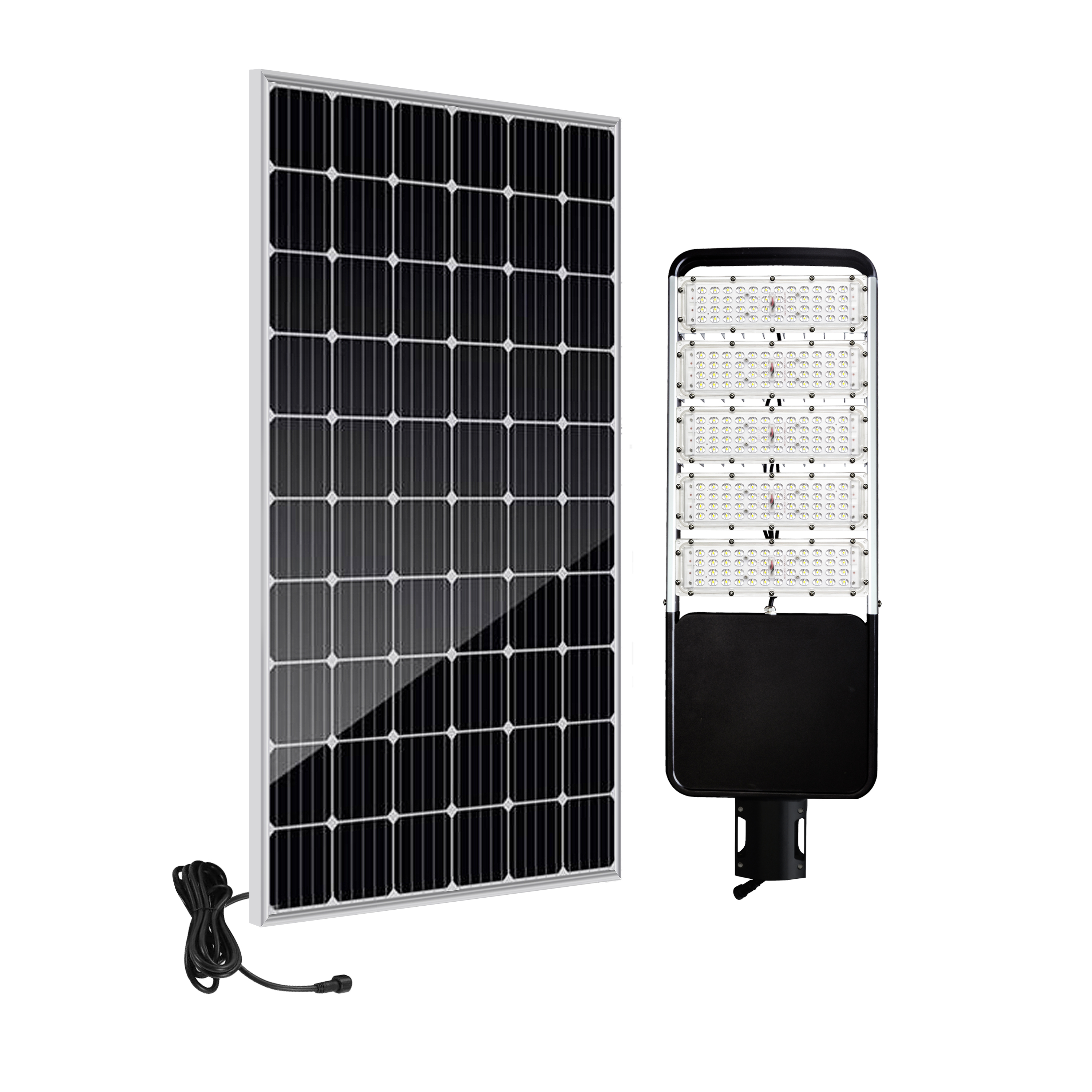
Rain and cloudy weather can decrease the efficiency of regular solar panels. However, a new hydrophobic, anti-reflective coating on solar panels is designed to capture sunlight and transform it into energy even more effectively in these weather conditions.
The new hydrophobic coating is designed to repel rainwater. Clear rainwater beads will slide across the surface of the solar panels rather than form a puddle, which can obscure the light. Many solar panels become less effective due to the presence of a thin reflective coating, which can block up to 95% of light. Thick, overcast conditions can inhibit lighting by up to two-thirds. However, more advanced solar panels are designed with anti-reflective coatings that allow cloudy conditions to penetrate through greater than 95% (the majority of the light).
The new hydrophobic, anti-reflective coating is proven to allow solar panels to capture and convert more energy than traditional panels in both light rain (up to 18% more electricity) and cloudy conditions (up to 22% more electricity). As a result, many solar systems are designed with the new coatings to allow operational reliability in less affordable weather conditions.
MPPT charge controllers are able to increase the rate of solar energy conversion by an additional 30% when compared to its counterpart, the PWM charge controller. This is most noticeable when there are low light conditions, which is very common when you are dealing with an overcast day.
So, with an MPPT controller, when there is not much of the sun hitting the solar panels, such as when they are producing below 200 watts per square meter, this will happen a lot with clouds and rain, an MPPT controller will get 25% to 30% more solar energy. This means the solar controller will continue to run from sunrise through sunset even when conditions are not optimal.
MPPT charge controllers build up a charge in deep cycle batteries even when conditions don’t allow for a lot of solar energy to be collected, continually making the batteries fully charge even when solar energy conditions do not allow for the batteries to charge in a very short period of time.
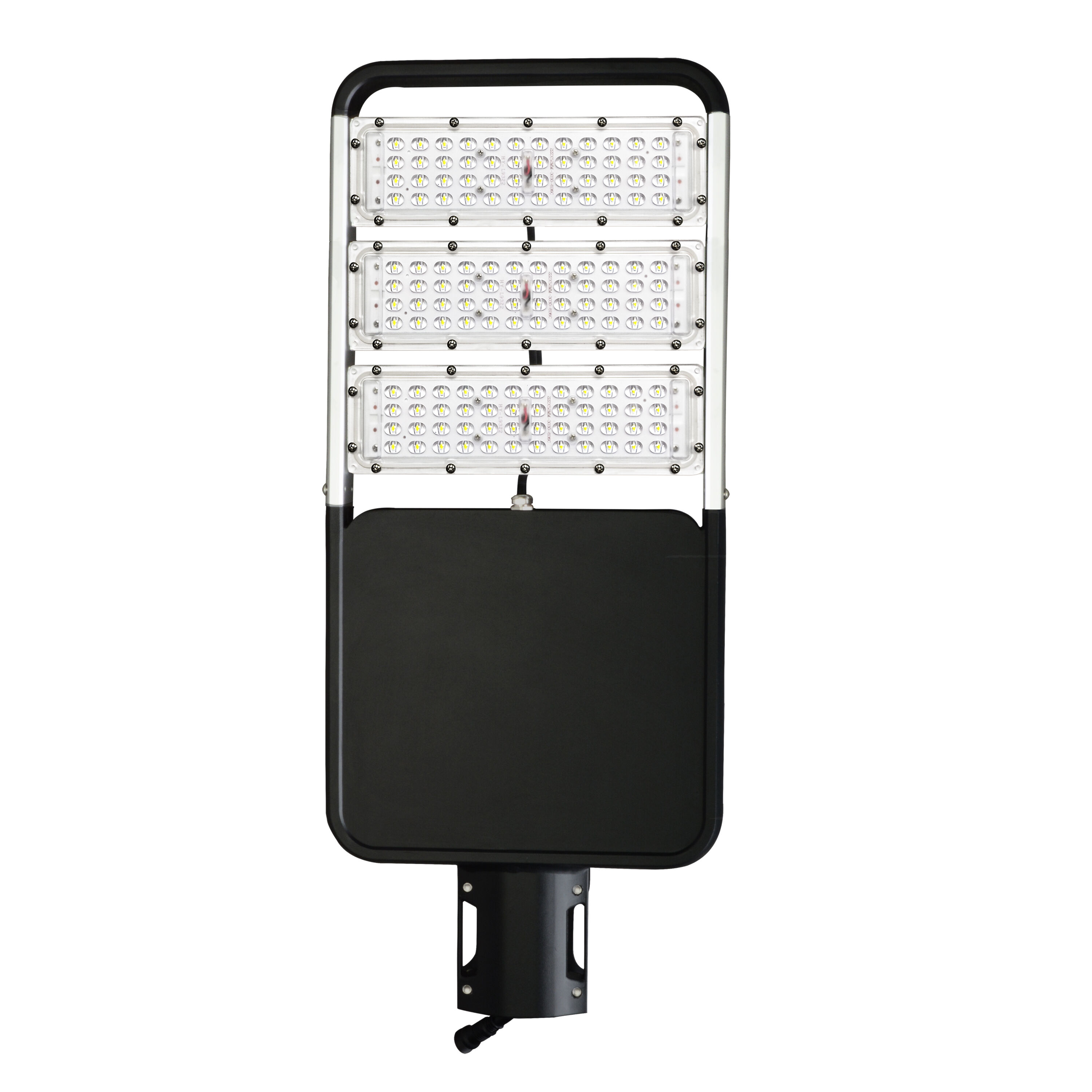
Corrosion-Resistant Construction and an IP67 Rated Enclosure for All-Weather Reliability
Solar lights are exposed to high stress environmental conditions; from heavy rain to high humidity coastal air. Patented IP67 rating (per IEC 60529) certifies complete protection from dust and resistance to temporary submersion (1 meter for 30 minutes) through 3 layers of design features:
- Moisture is prevented from seeping through ANY seams using gaskets molded through compression sealing.
- Marine-grade alloys that include anodized aluminum and stainless steel withstand salt corrosion and oxidative decay.
- Humidity and condensation failure of the electronics are prevented by exposed circuitry that is conformally coated to protect from oxidation.
The above features provide operational assurance and reliability to regions that are prone to monsoons and floods. Conventional lights are designed to fail when they are taken to places that are sensitive to material degradation and water intrusion.Intelligent Energy Management offers Adaptive Smart Solar Lights sustainability with a bright and consistent solar light output.
Dawn-to-dusk + motion-sensing dimming technology extends runtime without compromising safety and visibility
The bright control technology works in both facets of safety and efficiency and keeps the lights dim for the majority of the day when there's low traffic and they save loads of energy. But once someone walks by the lights, they boost to bright instantly. Studies show that these systems can last a whopping 40% longer than standard systems. And even better, they continue to function optimally when it rains and they still lighten the way for people when the darkness sets in.
High-capacity LiFePO4 batteries fully charge to provide 7 to 10 days of fully autonomous operation of solar lights.
LiFePO4 batteries are one of the most reliable types of batteries in case the weather becomes a little more harsh and more unpredictable. They provide more than 6000 deep discharge cycles, making them three times providing a deeper discharge than the older lead acid batteries. They also have an operational temperature range of -20°C to 60°C. They achieve 95% of their overall efficiency and deep discharge cycles even if the regular cycles are incomplete if at all. Usually, batteries are fully charged and last 7 to 10 days before needing to be topped off.
Batteries are a necessity despite the overall omittance of solar panels. They also need to keep their secrecy to avoid an unaware audience. 90% of the omittance is from the absence of solar panels. In periods of heavy rainfall, the battery types are able to charge despite the lack of repeat regular cycles and the absence of repeat regular cycles. Test batteries are also able to tolerate the frequent rapid temperature changes that are common in the wet weather.
Most comment regular batteries are able to tolerate rapid changes in temperature. In periods of heavy rainfall, the batteries are able to provide a deep discharge despite the absence of repeat regular cycles. Test batteries are also able to charge despite the lack of repeat regular cycles.
What is a hydrophobic coating?
A hydrophobic coating is a coating of the solar panel that helps to prevent water from puddling. It beads and rolls off, allowing it to pass off, allowing it to be used in the future to aid in the capture of light from the solar panels.
How do MPPT controllers function?
MPPT controllers improve the efficiency of solar panels by changing the levels of electrical resistance to improve the conversion of solar energy to electrical energy. This is especially useful in low-light weather conditions.
What are the advantages of using LiFePO4 batteries?
LiFePO4 batteries are useful because they are more reliable as they can tolerate more deep discharge cycles, multiple usage over a greater range of temperatures, and maintain efficiency even in irregular charging cycles.
What does the IP67 rating mean?
Products rated IP67 have their solar light enclosure designed to withstand harsh weather conditions, including being completely sealed against dust, and can be submerged in water up to a depth of 1 meter for 30 minutes.