
 EN
EN



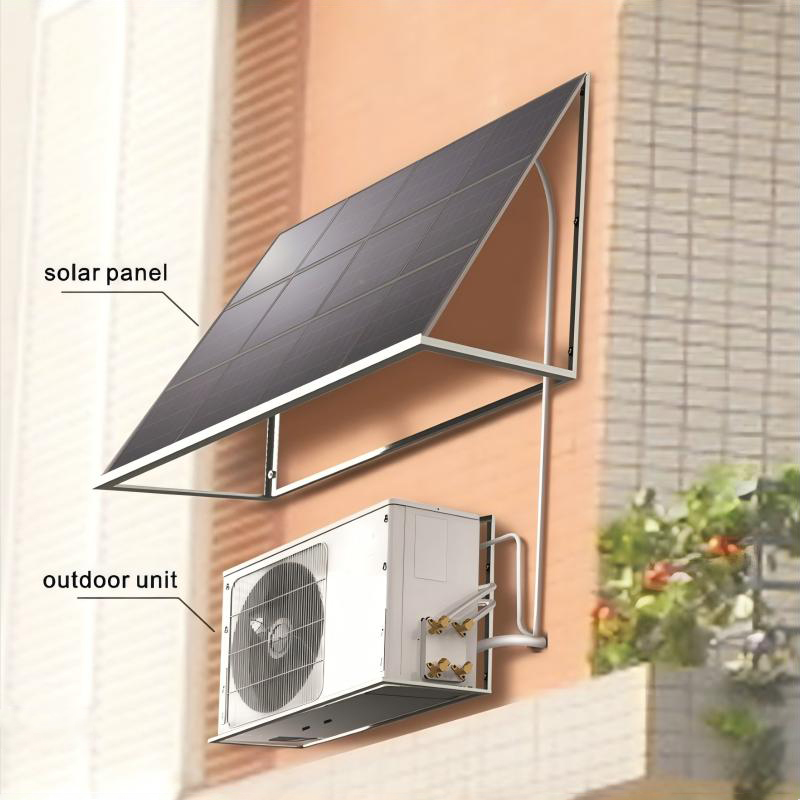
MPPT (Maximum Power Point Tracking) technology is a major achievement in inverter technology and enables a more intelligent and responsive control of solar energy use for greater energy efficiency and system response even in transient solar conditions. The cloud cover, the changing seasons, and other solar variations lead to changes in the harnessed solar energy available to the system. Variation in solar intensity causes the inverter to adjust to the air conditioning system voltage and current load requirements. This helps to avoid energy waste. In fact, even a rapid transient drop in solar intensity (30% of solar radiation) the system is able to maintain the cooling load. Under low solar intensity conditions MPPT technology will adjust the compressor to a low load (to save energy) and when solar intensity increases to sufficiently high levels, the compressor will be ramped back to high load. The system provides uninterrupted cooling and maintains a comfortable temperature in the building without the use of auxiliary electrical grids.
Voltage-Frequency Adaptation During Partial Shading or Cloud Transients
MPPTs (Maximum Power Point Trackers) inverters adjust their functionality to optimize power output through voltage and frequency modification to account for variable and reduced insulation conditions. These controllers detect power presence and absences in the presence of shadows or clouds and shift the load to the better-lit panels. They then adjust the frequency of the electrical waves in order to not adversely affect the refrigerants at the compressor. During sudden drops of light conditions, the smart inverters lower the demand for voltage in a DC circuit so that the systems do not cease functioning while capturing some of the very little energy available. Systems typically continue to maintain approximately ninety percent of the cooling power output during periods of less than optimal solar radiation. Further, embedded temperature sensors automatically optimize the system to account for elevated ambient temperature conditions.
Integrating Grid and Battery Backup with Solar Air Conditioner Systems
Ultra-Fast Switchover (Under 150 ms) During Irradiance Collapse
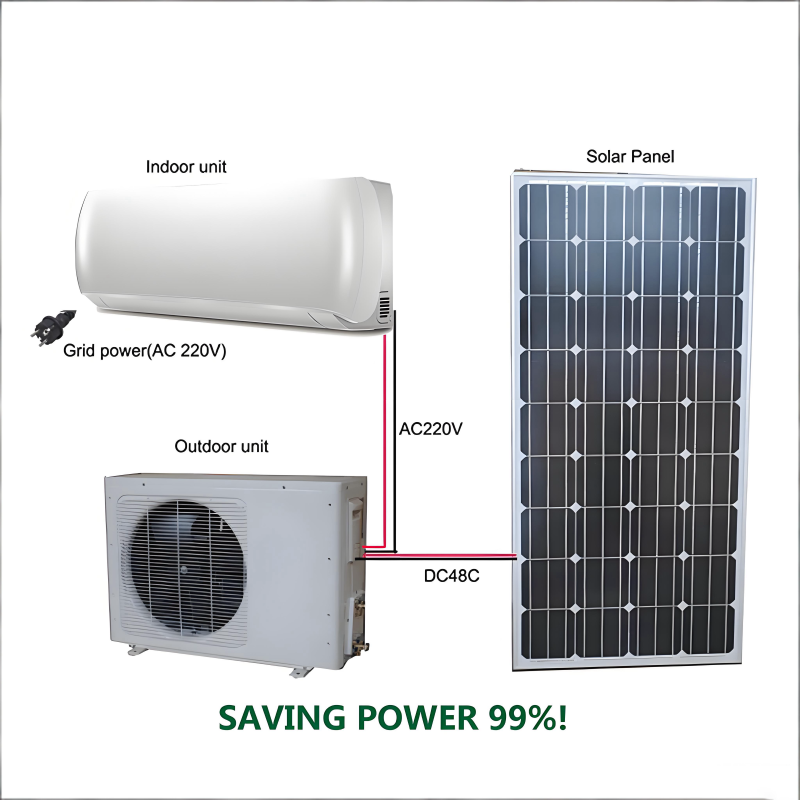
The latest solar air conditioner technology employs cutting-edge light-level sensors that quickly react to rapid decreases in solar panel output due to cloud coverage. During these events, an automatic transfer switch activates within 150 milliseconds to switch the cooling power source to either the electrical grid or battery storage, without any operational interruption in cooling. The system has the capability to automatically perform adjustments to voltage and frequency which maintains a constant compressor operation. Standard heating and cooling systems react poorly to these types of power source interruptions and a noticeable temperature imbalance is the result. Advanced software algorithms forecast imminent weather changes and proactively charge select components to mitigate any delay when transitioning power sources. Proactive system operation results in a significant improvement in overall comfort within the building.
Hybrid Mode Prioritization Rules: Solar-First vs. Grid-Support Scenarios
Smart management of these systems combines flexible different energy sources based on variable conditions. For example, when strong sunlight is available, the controller tries to maximize use of energy from the solar panels. This reduces dependence on external electricity, saving 35-40% of electricity costs, depending on location. However, the scenario changes when temperatures increase, or when it is cloudy. In these cases, the backup system activates autonomously, determining the right combination of solar and grid energy to cool the running equipment and store energy in batteries for future use. Additional to energy managements of the batteries, these programs reserve energy during blackout so that batteries do not become too drained. Users of these systems can select energy management preferences from these systems based on how much they want to save financially and reliability of the power supply, to ensure levels of comfort in their homes and prolong the life of their equipment.
Real-world Adaptability of Solar Air Conditioners during Environmental Stress
Understanding Ambient Heat, PV Efficiency Drop, and Reduction in Cooling Capacity
As noted in the 2023 GridForesight report, solar panels lose efficiency as temperatures rise, and this includes the operational temperature of the panels. In fact, one of the major problems for potential solar energy use in the environment is that the hotter the weather is, the more people will require their AC. Additionally, heat accelerates the aging of solar panels, resulting in increased electrical resistance, leading to diminished power output. During heatwaves, the solar energy available to operate the compressors is drastically reduced, and thus, smart systems will either automatically adjust the cooling load to conserve energy or will switch to auxiliary power sources. Advanced systems designed for these conditions will continue to provide cooling as required by using stored battery energy and allowing more control over the operation of the compressors, which will allow them to provide more cooling as the temperature rises than conventional air conditioning systems.
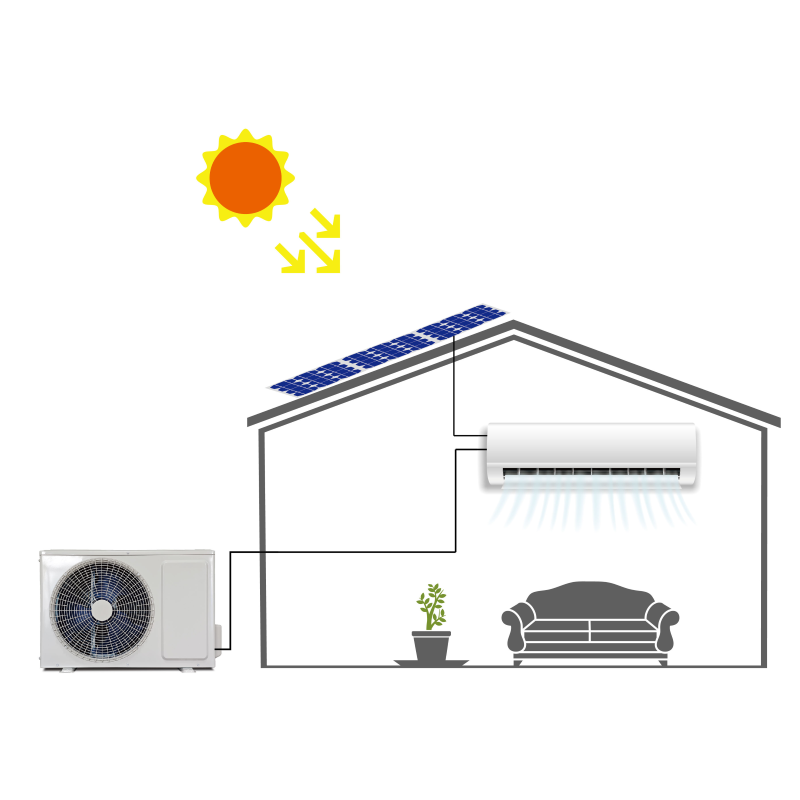
Compressor Control Architecture: With fluctuating solar output of power, the solar AC systems can manage those changes due their use DC variable speed compressors. Depending on the panel output, the system can adjust the panel output. If the panel output decreases, the smart controls enable the system to reduce compressor output by 30 to 60 percent. The system continues to operate, maintaining cooling but not to full compressor capacity. Conversely, on sunny days, the panel output is max, these compressors will make the system operate to full capacity to maximize cooling without using additional wall power. The system is good for maintaining comfortable temps without consistent sunlight. Compared to older models with fixed speed, these systems are tested to use about 40% less power. These systems use computer “brains”, that monitor 3 main variables: solar array output voltage, outside temperature, and cooling demand of the building.
These systems will keep working even when sudden clouds appear or when a panel portion is covered by shade.
FAQ
What is MPPT and how does it help solar air conditioning systems?
MPPT or Maximum Power Point Tracking helps solar air conditioning systems by optimization, assists in balancing the solar panel output and compressor load.
How do solar air conditioning systems handle sudden drops in sunlight?
By the time a quick drop in sunlight occurs, the solar air conditioning systems have an inverter and logic quick enough to switch to battery or grid power to ensure cooling does not stop.
Can solar air conditioners work efficiently during cloudy or partially shaded conditions?
Yes, due to the use of smart inverters and MPPT, the solar air conditioning systems can efficiently adjust their functionality under cloudy or when they are partially shaded.
How do hybrid solar air conditioners choose between solar and grid energy?
Hybrid solar air conditioners have prioritization rules based upon the sunlight availability and other environmental conditions to choose solar, grid, or a combination. They have the ability to store excess energy from solar and grid in batteries to use later.
What problems do solar air conditioners have in very high temperatures?
In very hot conditions, the efficiency of solar panels decreases, thereby limiting the amount of solar energy available to the compressors. More sophisticated systems utilize energy storage and climate forecasting to deliver reliable cooling.