
 EN


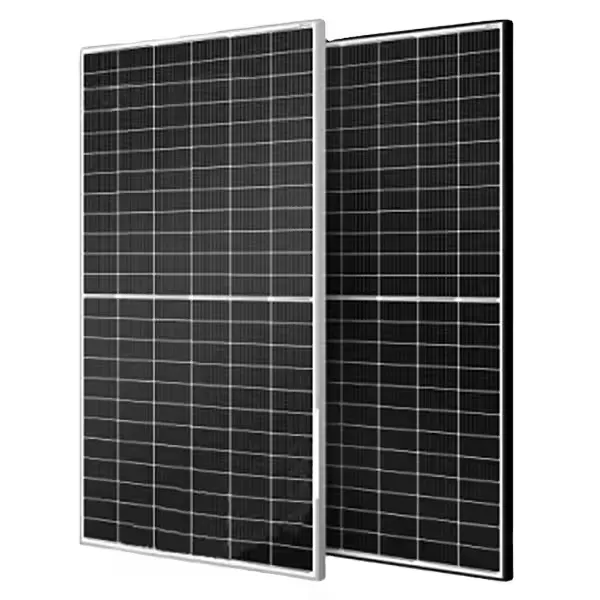
Wind Resistance: Engineering and Real-World Validation of Demax Solar Modules
IEC 61215 & UL 61730 Static/Dynamic Load Testing Protocols
Demax solar modules are qualified under IEC 61215 and UL 61730 mechanical load protocols. The IEC 61215 static load test applies 2,400 Pa downward and upward pressure to the module surface; high snow-load variants undergo 5,400 Pa downward and 2,400 Pa upward loading (IEC 61215:2021). This corresponds roughly to wind force from a 130 km/h gust—designed with a safety factor of approximately three. Dynamic load testing then subjects modules to ±1,000 Pa for up to 1,000 cycles, simulating repeated wind gusts and micro-flexing that can lead to cell cracks over time. UL 61730 complements these tests by evaluating electrical safety, bonding integrity, and insulation performance after mechanical stress. Together, the standards verify that frames, tempered glass, cell interconnections, and mounting points withstand both sustained pressure and cyclic loading—without power loss exceeding 5% or visible structural damage.
Field Performance in Typhoon-Prone Southern China
Coastal Guangdong and Fujian face typhoon seasons with sustained winds above 160 km/h and gusts exceeding 220 km/h (China Meteorological Administration, 2018). Since 2019, Demax modules installed on commercial rooftops and ground-mounted arrays in these regions have endured multiple storm cycles. Post-storm inspections show frame deformation below 0.5% and no significant glass breakage—provided systems follow zone-specific anchoring standards (field audit records, 2023). Reinforced aluminum frames, tempered anti-reflective glass, and dynamic-load preconditioning collectively reduce stress concentration at clamp zones. This real-world resilience aligns with lab results: modules rated for 5,400 Pa static load retain a meaningful safety margin beyond peak pressures recorded during Typhoon Mangkhut and similar events. The convergence of standardized testing and field validation substantiates Demax’s wind resistance claims.
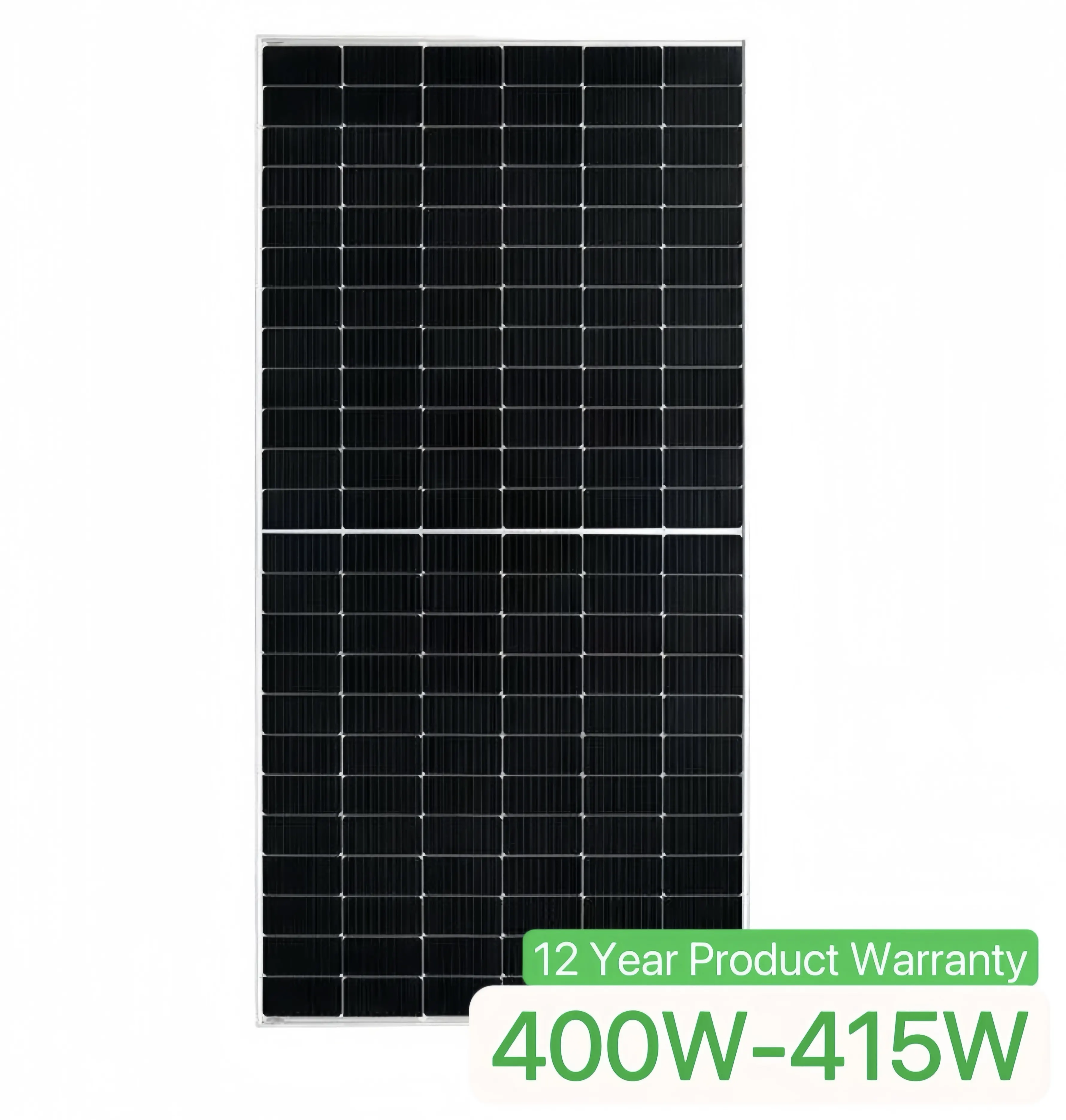
Rain and Moisture Resilience: Preventing Degradation in High-Humidity Environments
How Prolonged Humidity Triggers Delamination and PID in Solar Modules
High humidity does not cause immediate failure—but enables slow, cumulative degradation. Moisture infiltrates through microcracks in the backsheet, junction box seals, or frame edges. Once inside, water vapor triggers hydrolysis in the encapsulant, weakening adhesion between glass, encapsulant, and backsheet. Delamination reduces light transmission, creates hot spots, and exposes cells to oxygen and contaminants. Prolonged damp heat also accelerates potential-induced degradation (PID): sodium ions migrate from the glass toward the cell surface under high voltage, shunting current and lowering output. Field data indicate PID-related losses of 8–25% within three years in tropical coastal installations (IEA PVPS, 2021). In monsoon and high-humidity zones, condensation cycles further accelerate corrosion of busbars and solder joints. Effective prevention hinges on robust edge sealing and moisture-resistant encapsulation—stopping ingress before it reaches the active cell layer.
Demax’s Dual-Layer Edge Sealing and EVA/POE Lamination Advantages
Dual-layer edge sealing targets the most vulnerable entry point: the laminate perimeter. A polyisobutylene-based inner seal paired with a weather-resistant outer seal creates a tortuous path for water vapor—reducing moisture ingress at the module edge by up to 60% compared with single-seal designs in accelerated testing (Fraunhofer ISE, 2022). Encapsulation material choice is equally critical. While ethylene-vinyl acetate (EVA) offers strong adhesion, it absorbs moisture and forms acetic acid under damp heat—exacerbating delamination and PID. Polyolefin elastomer (POE) provides lower water vapor transmission and higher volume resistivity, significantly suppressing PID. A hybrid EVA/POE lamination leverages EVA’s bonding strength with POE’s superior moisture barrier. Modules using POE-rich front encapsulant maintain ≤2% power loss after 2,000 hours of damp heat testing at 85°C and 85% relative humidity (TÜV Rheinland, 2023). This combination ensures stable performance across prolonged rain, fog, and coastal humidity.
Compliance and Context: How Global Standards Define Solar Module Durability
Global solar module durability rests on a layered compliance framework. The International Electrotechnical Commission (IEC) sets foundational design and safety benchmarks: IEC 61215 covers mechanical load, thermal cycling, hail, and humidity exposure; IEC 61730 verifies electrical insulation, fire performance, and mechanical integrity. In North America, UL 61730 serves an equivalent safety role. Over 100 countries adopt IEC standards directly or as national references—supporting global trade but not guaranteeing uniform field performance across climates.
| Standard | Primary Focus | Relevance to High-Wind or Heavy-Rain Sites |
|---|---|---|
| IEC 61215 | Design qualification and mechanical load | Static/dynamic load, hail, thermal cycling, wet leakage |
| IEC 61730 / UL 61730 | Safety qualification | Insulation, fire resistance, grounding, mechanical integrity |
| IEC 62804 | Potential-induced degradation | Moisture-related leakage and PID resistance |
| ISO 9001 / ISO 14001 | Quality and environmental management | Process control, material traceability, lamination consistency |
Standards establish a necessary floor—not a lifetime predictor. As early as 2010, the International Energy Agency noted that no widely adopted label communicates how modules will perform or degrade in specific environments (IEA, 2010). National schemes like India’s Bureau of Indian Standards (BIS) certification add further compliance layers. For wind- and rain-exposed sites, certification is the starting point. Buyers should prioritize comparative data on static/dynamic load ratings, damp heat and PID test results, and warranty terms—not just compliance checkboxes.
Installation Best Practices for High-Wind, High-Rain Regions
Optimized Mounting, Tilt Angle, and Zone-Specific Anchoring for Solar Modules
Mounting strategy must be driven by site-specific wind and rainfall conditions—not generic guidelines. In high-wind zones, use zone-rated rails and through-bolted anchors instead of standard lag screws. A lower tilt angle—typically 5° to 15°—minimizes uplift while still enabling effective rain runoff. Coastal and typhoon-prone sites require corrosion-resistant stainless steel or aluminum hardware and additional mid-clamps to prevent edge lift. Structural attachment points must comply with local building codes and ensure wind loads transfer along a continuous load path. For heavy-rain regions, maintain adequate spacing between modules to accommodate thermal expansion and allow unimpeded drainage. Ground-mounted systems demand deeper concrete piers or ballasted anchors engineered for local gust speeds—not generic depth or weight assumptions.
FAQ
What wind speeds can Demax solar modules withstand?
Demax solar modules are designed to endure gusts equivalent to about 130 km/h with a safety factor of three. High snow-load variants can withstand pressures of up to 5,400 Pa, which exceed typical typhoon wind pressures.
How do Demax modules perform in high-humidity environments?
Demax modules use dual-layer edge sealing and EVA/POE lamination to prevent moisture ingress. This technology reduces power loss to ≤2% after 2,000 hours of damp heat testing.
What certifications do Demax modules hold?
Demax modules comply with IEC 61215 and IEC/UL 61730 standards for mechanical load and safety qualifications. They also incorporate features aligned with IEC 62804 for PID resistance.
How should solar modules be mounted in high wind and rain regions?
Modules in high-wind zones should use zone-rated rails, through-bolted anchors, and reduced tilt angles (5°–15°). Stainless steel or aluminum hardware should be applied in these environments, with appropriate spacing for drainage and thermal expansion.
Table of Contents
- Wind Resistance: Engineering and Real-World Validation of Demax Solar Modules
- Rain and Moisture Resilience: Preventing Degradation in High-Humidity Environments
- Compliance and Context: How Global Standards Define Solar Module Durability
- Installation Best Practices for High-Wind, High-Rain Regions
- FAQ