
 EN



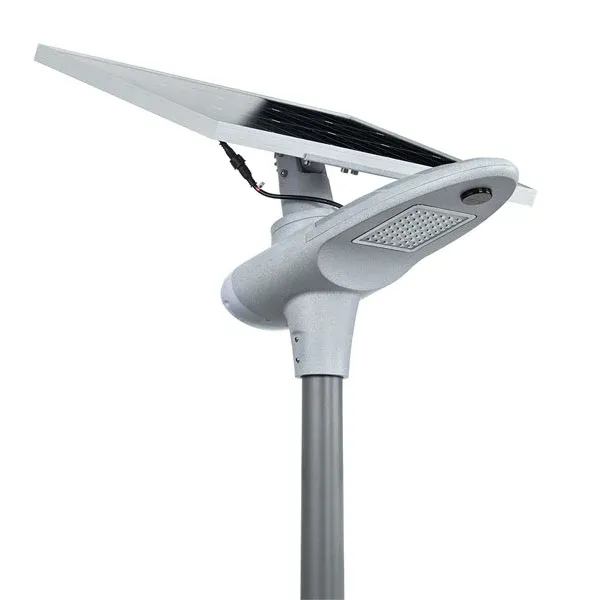
How Motion Sensors Enhance Energy Efficiency in Solar Lights
Motion sensors allow outdoor solar lights to operate in standby mode most of the night, switching to full LED output only when movement is detected.
PIR sensor operation: Triggering LED output only during detected movement
A solar light with a PIR (Passive Infrared) sensor avoids continuous illumination by remaining in low-power standby until motion is detected. The sensor responds to changes in infrared heat emitted by people, animals, or vehicles crossing its field of view. When a warm object moves across the detection zone, the sensor closes the circuit and signals the LED driver to ramp up to full brightness—typically within under one second. Activation duration is programmable, usually lasting from a few seconds to several minutes, after which the light returns to standby. Because PIR sensors detect moving thermal signatures—not static heat or ambient light—they minimize false triggers and unnecessary energy use. This on-demand behavior is the foundational efficiency advantage over dusk-to-dawn operation, reducing light pollution and supporting dark-sky compliance without compromising responsiveness.
Energy savings quantified: 60–85% reduction vs. dusk-to-dawn solar light operation
Dusk-to-dawn solar lights typically draw power for 10–12 hours nightly, regardless of activity. In contrast, motion-activated units operate at full brightness for just 30–90 minutes total per night—depending on local foot or vehicle traffic. Field measurements from real-world installations (2024) consistently show a 60–85% reduction in nightly energy consumption when motion control replaces continuous operation. For example, a 10 W LED array running 11 hours consumes ~110 watt-hours; the same array activated for 90 minutes uses only ~15 watt-hours, plus minimal standby losses. This dramatic reduction lowers battery depth of discharge, extends system lifespan, and enables manufacturers to downsize solar panels and batteries without sacrificing performance—cutting cost while maintaining illumination quality. The benefit is especially pronounced in low-traffic zones like backyards, driveways, and storage areas.
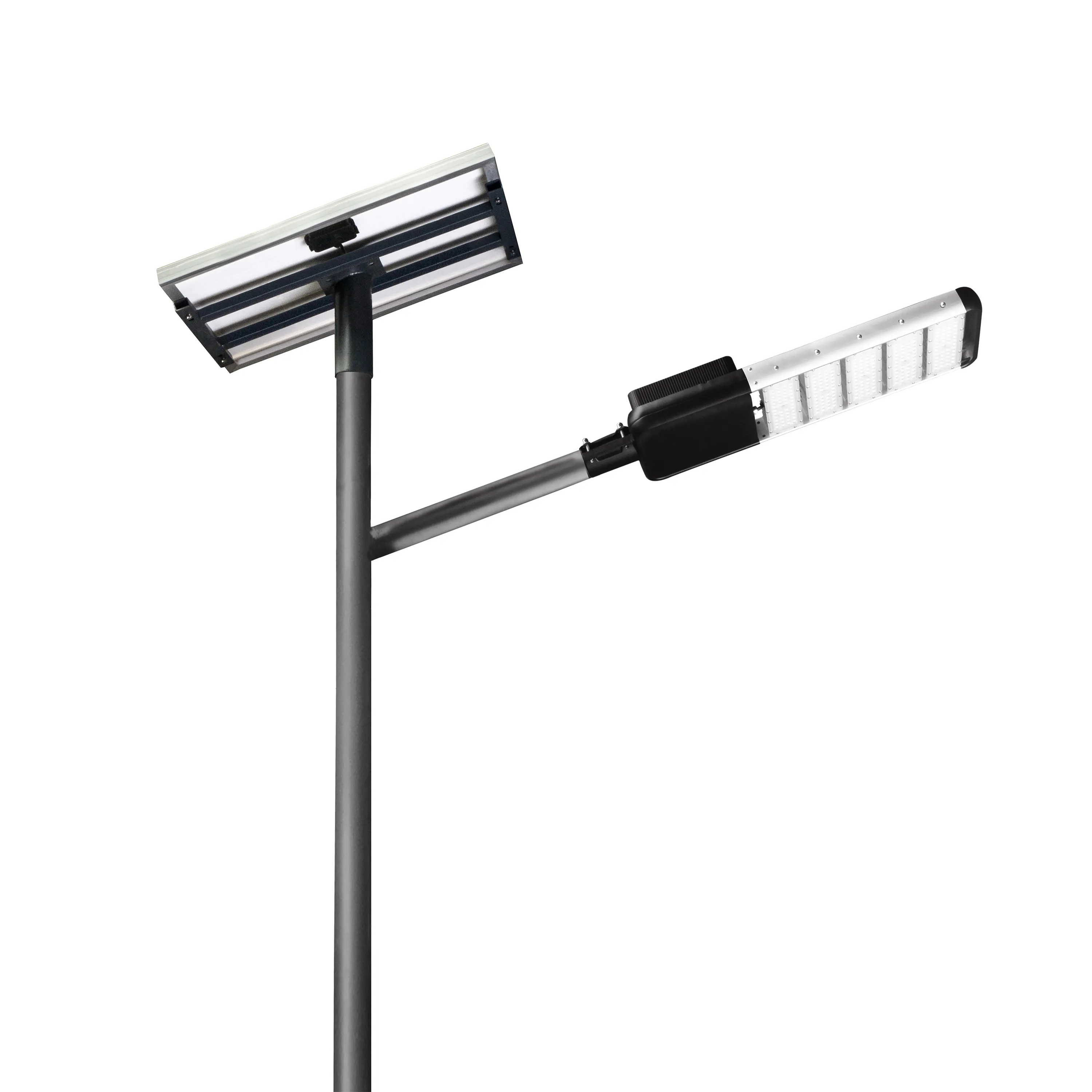
Demax Solar Lamp Motion Sensor Performance and Reliability
Detection range, angle, and low-light responsiveness in real-world conditions
Demax solar lamps use passive infrared (PIR) sensing to activate LEDs only upon verified motion. In typical installations, the sensor covers 15–40 feet with a horizontal detection angle of approximately 120°—sufficient to monitor walkways, patio perimeters, or entry approaches. Since PIR detects infrared change, not ambient light levels, responsiveness remains consistent even in full darkness. A built-in photocell ensures the unit stays disarmed during daylight and arms automatically after dusk. Optimal mounting height is 6–9 feet, with the sensor angled slightly downward toward expected movement paths—improving head-on detection and minimizing blind spots near walls or ground-level obstructions. Sealed housing protects the lens from rain and dust, but monthly cleaning helps sustain reliable performance in humid or dusty environments.
False-trigger mitigation and adaptive sensitivity settings for consistent solar light control
False triggers—caused by wind-blown foliage, small animals, or thermal drift—are a leading cause of premature battery drain. Demax lamps address this with adjustable sensitivity and hold-time controls. Lowering sensitivity reduces nuisance activation near hedges, reflective windows, or high-traffic sidewalks. Strategic placement—away from HVAC vents, heat pumps, or sun-absorbing dark surfaces—further improves reliability. A 30–60 second hold time prevents rapid cycling during sustained motion. In warmer months, adaptive logic filters slow thermal fluctuations (e.g., pavement re-radiation), and periodic lens cleaning removes dust or spider webs that scatter infrared signals. With proper setup, Demax lamps deliver dependable, energy-conscious control—activating only when needed.
Battery Longevity and System Synergy in Motion-Activated Solar Lights
LiFePO4 battery preservation through intermittent load cycling
LiFePO4 (lithium iron phosphate) batteries are now standard in premium solar lighting due to their thermal stability, safety, and cycle durability. Motion sensing significantly extends their service life by replacing deep, continuous discharge cycles with shallow, intermittent loads. While dusk-to-dawn operation may routinely reach 70–90% depth of discharge, motion-triggered units often stay below 30–50% per night. Shallow cycling directly correlates with longevity: LiFePO4 cells are rated for 3,000–5,000 full cycles, but partial cycling can extend effective life beyond 6,000 equivalent cycles (Battery University, 2023). Intermittent use also moderates operating temperature, reduces voltage sag, and limits time spent near peak charge voltage—where electrolyte degradation accelerates. As a result, the battery remains longer within its optimal state-of-charge window, delaying capacity loss and replacement.
Solar panel sizing and charge management optimized for motion-triggered demand
Motion-activated solar lights impose far less nightly energy demand than always-on fixtures—enabling smarter solar panel and charge controller design. For instance, a 10 W lamp triggered 20 times for 120 seconds each consumes only ~6.7 Wh per night, versus ~120 Wh for 12 hours of continuous operation. This reduced load allows the solar panel to complete charging earlier in the day and shift into float or trickle mode—maintaining the LiFePO4 battery between 40–80% state of charge, where calendar aging slows most effectively. Panel size and orientation should be calibrated to expected trigger frequency, not constant load. Designers can either reduce panel wattage to lower cost or retain the same panel size to build reserve capacity for extended cloudy periods. This alignment between energy demand and solar input prevents chronic undercharging and minimizes battery stress—resulting in more resilient, longer-lasting solar lighting systems.
FAQs
What is a PIR sensor and how does it work?
PIR stands for Passive Infrared sensor, which detects infrared radiation changes caused by movement of warm objects, such as humans or animals, in its detection zone. It triggers the connected LEDs to activate only when motion is detected.
How do motion sensors save energy in solar lights?
Motion sensors help save energy by keeping lights in low-power standby mode until movement is detected. This reduces the total time the light operates at full brightness, typically saving 60–85% in energy compared to dusk-to-dawn operation.
What is the lifespan of LiFePO4 batteries in motion-activated solar lights?
Using motion sensing, LiFePO4 batteries primarily undergo shallow discharge cycles, which can extend their usable life up to 6,000 equivalent cycles or more. This is significantly higher compared to full discharge cycles in traditional models.
How can false triggers by motion sensors be minimized?
False triggers can be minimized by adjusting the motion sensor sensitivity, optimizing its placement away from reflective surfaces or heat sources, and regular maintenance like cleaning dust or cobwebs from the sensor lens.
What is the optimal mounting height for motion-activated solar lights?
The optimal mounting height is typically between 6–9 feet, with the sensor angled slightly downward towards expected movement paths to enhance detection and reduce blind spots.