
 EN



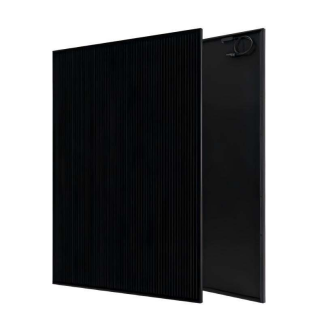
A mountain fruit cooperative learned the cost of grid failure the hard way. During a storm, the public line went down for two days, spoiling refrigerated produce and halting the sorting line. The team later deployed a compact off-grid solar power system — the Demax MRD505 — pairing a lithium battery, an inverter, and built-in UPS in one portable case. When the next outage arrived, lights, a small fridge, and communications stayed online, and crews recharged from a rooftop panel. That episode shows why energy independence now drives procurement for remote and backup-critical sites.
Off-Grid Energy Independence for Uninterrupted Operation
What Makes an Off-Grid System Truly Independent
A standalone solar power system earns its name by producing and storing energy on its own. Photovoltaic panels convert sunlight into DC electricity, a charge controller regulates the flow, and battery storage holds the surplus for night or cloudy periods. Because no grid connection is required, a remote workshop or field site gains energy independence without trenching cables or negotiating utility permits. This self-contained loop keeps lights, tools, and communications alive where the grid cannot reach.
Battery Storage and Deep Cycle Lithium Performance
An off-grid system lives or dies by its battery bank. The MRD505 carries a 512 Wh lithium battery built for deep cycle use, meaning it can discharge most of its capacity repeatedly without damage. Deep cycle chemistry tolerates hundreds of partial drains, unlike starter batteries that deliver one short burst. Battery storage of 512 Wh runs two LED bulbs for about 74 hours, so a small office or security setup stays lit through an extended outage. Capacity planning should match daily watt-hours, not just peak watts. Pairing the lithium battery with a quality charge controller prevents overcharging on bright days and deep draining on dark ones, the two failure modes that shorten lifespan. Operators should size battery storage against the heaviest expected load rather than average draw, leaving headroom so the inverter never clips under startup surges from motors or compressors.
Built-In UPS and Emergency Resilience
How the Built-In UPS Protects Sensitive Loads
A built-in UPS turns any off-grid solar power system into a blackout-proof asset. The MRD505 senses a failure and switches to battery supply in milliseconds, so routers, POS terminals, and medical devices never reboot. An inverter converts the battery's DC into clean AC output, holding voltage steady for sensitive electronics. For a retail shop or clinic, that seamless transfer prevents data loss and equipment stress during a sudden grid failure.
Staying Powered Through a Power Outage
During a power outage, a solar power system with stored energy keeps serving loads while grid-tied sites go dark. The 500 W continuous rating drives fans, lighting, phones, and small appliances through four USB ports, one 12 V DC output, and a 220 V AC output. Resilience comes from isolation: because the load is electrically separate from the grid, a regional blackout cannot pull the site down with it.
Portability and Simple Deployment
Compact Design for Mobile and Remote Use
Portability turns an off-grid solar power system into a deployable asset rather than fixed infrastructure. At 512 Wh and 500 W in a single case, the MRD505 moves between a work truck, a campsite, and an emergency trailer without special handling. Mobile crews, event organizers, and disaster-response teams gain flexible power wherever vehicles can reach, removing the need for permanent solar arrays at every location.
Fast Setup With DC and AC Outputs
Simple deployment means non-electricians can be productive in minutes. The unit charges from a solar panel or a standard AC adapter, then delivers power through DC 5V/12V and AC 220V sockets. A charge controller manages input automatically, so users only connect loads. No wiring permit, no inverter rack, no electrician visit — just place the unit, plug in, and operate. That speed matters when a site must come online before sunset.
Protection, Standards, and Procurement Advice
Integrated Safety Protection and Relevant Standards
Safe daily operation depends on electronics that guard the battery. The MRD505 includes overcharge and overdischarge protection, stopping charge before cells swell and cutting load before the lithium battery drops too low. Standalone photovoltaic systems are evaluated under IEC 62124, while industrial lithium packs follow IEC 62619 for safety; NFPA 70 and OSHA guide safe electrical installation in workplaces. These references help procurement verify that an off-grid solar power system meets recognized safety expectations.
Buy, Inspect, Use, and Maintain With Confidence
Procurement should confirm certifications, then match specifications to need.
Buy: verify CE and UL marks on the MRD505, and confirm the 512 Wh capacity and 500 W rating fit the intended load list.
Inspect: check the casing for damage, confirm DC output and AC output ports are intact, and test the UPS switchover with a lamp before field use.
Use: keep the unit ventilated, avoid exceeding 500 W, and recharge before the lithium battery fully drains.
Maintain: wipe dust from vents monthly, store at partial charge if unused for weeks, and review protection logs after any deep discharge.
Beyond the four steps, log each deep discharge event and watch for swelling or heat, early signs that the lithium battery needs service. Photovoltaic input weakens with dust and shading, so wipe panels weekly at dusty sites. A simple monthly test of the UPS switchover keeps the emergency path proven before a real power outage arrives.
Choosing an off-grid solar power system means trading grid dependency for controlled, portable resilience. With built-in UPS, deep cycle battery storage, and certified protection, Demax units give operators energy independence where the grid ends or fails. For buyers weighing backup options, the advantage is simple: power that arrives ready, stays safe, and moves with the work.
Frequently Asked Questions
Question
What advantages does an off-grid system offer over grid power?
Answer: An off-grid solar power system delivers energy independence by generating and storing electricity without utility lines. Built-in UPS protection keeps sensitive devices running through a power outage, while portability lets the same unit serve a farm, truck, or campsite. Deep cycle battery storage and certified safety electronics add resilience. For remote or backup-critical sites, the main advantage is uninterrupted operation where grid power is absent or unreliable.
Question
Why is a built-in UPS important for sensitive equipment?
Answer: A built-in UPS detects grid loss and switches to battery supply within milliseconds, so routers, monitors, and medical devices avoid reboot or data loss. The inverter maintains steady AC output during the transfer. Without this feature, a sudden power outage forces a hard shutdown that can corrupt files or stress electronics. For clinics, shops, and communication nodes, seamless switching protects both equipment and operations.
Question
How does the MRD505 charge and deliver power?
Answer: The MRD505 charges from a connected solar panel or a standard AC adapter, with a charge controller regulating input automatically. Stored energy leaves through DC 5V and 12V outputs plus a 220V AC output driven by the internal inverter. Four USB ports handle phones and small devices. Setup needs no electrician: place the unit, connect a panel or adapter, and plug loads into the appropriate socket.
Question
Can the lithium battery handle repeated deep discharges?
Answer: Yes. The MRD505 uses a 512 Wh lithium battery designed for deep cycle service, tolerating many partial and near-full discharge cycles without rapid wear. Overdischarge protection stops the load before cells drop to unsafe levels, extending service life. Battery storage planning should still favor recharging before empty. For typical backup and lighting loads, the chemistry sustains long runtimes across repeated daily use.
Question
Where should off-grid units be deployed for reliable results?
Answer: Deploy off-grid systems at sites lacking reliable grid access: remote farms, mobile work trucks, field clinics, and emergency trailers. Place the unit on a flat, ventilated surface away from direct rain, and position the photovoltaic panel toward clear sun. Indoor or shaded corners reduce charging efficiency. Following NFPA 70 and OSHA guidance for electrical placement keeps installation safe and inspection-ready.