
 EN



A solar water heater performs only as well as the absorber that feeds it. A vacuum tube is the core component that captures both direct and diffuse sunlight, then converts that energy into usable heat inside the collector. Demax supplies several tube designs so specifiers can match performance to local climate, system pressure and budget. This guide explains the main types, their internal structure and the working principle behind each, helping procurement teams choose with confidence before placing an order.
How an Evacuated Tube Captures Sunlight for Hot Water
The collector output depends on what happens inside a single absorber. Understanding the parts makes later comparisons easier and avoids a costly mismatch.
The glass envelope and selective absorber coating
Inside each vacuum tube, a finned metal absorber sits beneath the glass envelope and carries a selective coating that traps solar energy. The coating absorbs short-wave sunlight yet emits very little long-wave heat outward, which lifts thermal efficiency even on cool mornings. Consider a mountain guesthouse that struggled with lukewarm water from a flat-plate array during the shoulder season. The problem was weak angled light and heat loss to cold air. The solution switched the array to evacuated tube collectors with a strong selective coating. The effect was stable morning hot water without adding electrical backup, because the absorber captured low sun angles while the envelope isolated the heat. The glass envelope also shields the absorber from wind and rain.
Borosilicate glass and the vacuum insulating gap
The outer shell is normally borosilicate glass, chosen for low thermal expansion and resistance to temperature shock. Between the glass envelope and the absorber lies an evacuated annular space that blocks conductive and convective loss. This vacuum insulation is why the tube can remain hot while the outside air is cold. Borosilicate glass also survives hail and freezing better than ordinary glass, a useful trait for remote or high-altitude sites where service access is limited.
Evacuated and Heat-Pipe Tubes
Demax offers tube styles that suit different system pressures, freeze risks and service expectations. The two designs below cover most pressurized and freeze-exposed projects.
Evacuated tube (direct flow) — structure and principle
The direct-flow evacuated tube passes water straight through the absorber. Sunlight heats the fluid inside the vacuum tube, and natural convection carries warm water upward into the storage tank. This design is simple and efficient where freezing is rare. The absorber coating transfers heat directly to the water, so there is no intermediate fluid to manage. Specifiers value the straightforward layout for warm-climate projects that use open or low-pressure tanks and want minimal parts.
Heat-pipe tube — structure and principle
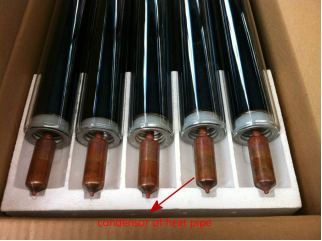
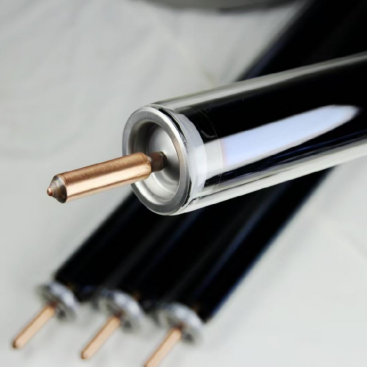
A heat-pipe tube, commonly described as a heat pipe, uses a sealed copper pipe containing a small charge of working fluid. When the absorber warms, the fluid vaporizes, rises to a condenser at the top, and releases heat into the manifold. The vapor then condenses and returns to the base. This closed loop carries heat without moving tank water through the glass. Because the vacuum tube holds little liquid, it tolerates freezing far better than direct-flow designs, which matters in cold regions. An antifreeze strategy becomes simpler since the manifold loop can use a protected fluid.
U-Pipe and Non-Pressurized Tubes
Two further designs extend the range toward simpler and open systems. Each still relies on the same high-quality glass envelope and absorber coating.
U-pipe tube — structure and principle
The U-pipe vacuum tube routes one bent pipe through the absorber in a U shape. Pressurized water enters one leg and exits the other, collecting heat along the absorber coating. Because the pipe is part of the pressurized loop, the U-pipe tube suits solar water heater systems that require consistent delivery pressure. Heat transfer is direct and the layout supports higher operating pressure. The design also lets a single tube be serviced without draining the entire array, reducing downtime during maintenance.
Non-pressurized tube — structure and principle
The non-pressurized tube feeds an open system where water circulates by gravity or a gentle pump. It appears in basic solar water heater setups for homes and small hostels. The glass envelope and absorber coating stay the same high-quality parts, but the plumbing remains simple and affordable. This vacuum tube type fits projects where the tank sits above the collector and freezing is not a concern, keeping both install cost and complexity low.
Standards, Selection and Maintenance Advice
Quality tubes should be verified against recognized benchmarks rather than claimed figures. Documentation protects the buyer across the project life.
International standards and certification
Thermal collectors are assessed under EN 12975 and EN 12976, while Solar Keymark marks compliance for the European market. System-level performance follows ISO 9459 for solar water heaters. Demax products are built to pass ISO 9001 and CE testing, giving purchasers a documented quality baseline. A vacuum tube that meets these references has undergone repeatable efficiency and endurance checks. Specifiers should request test reports that match the intended climate band before approval.
How to buy, inspect, use and maintain tubes
Buy by matching tube type to project pressure, freeze risk and water quality. Inspect each vacuum tube for a clear glass envelope and a uniform absorber coating before installation; a grey or white film signals lost vacuum. Use correct silicone seals so tubes seat firmly in the manifold without stress. Maintain by rinsing dust from the glass a few times per year and checking seals each season. Replace any tube that shows fogging, because trapped moisture cuts thermal efficiency and can affect neighbouring tubes.
Choosing the right vacuum tube keeps a solar water heater efficient, safe and affordable across its service life. Direct-flow, heat-pipe, U-pipe and non-pressurized designs each solve a distinct problem, from freeze resistance to pressurized delivery. Align the tube type with climate and system pressure, verify the applicable standards, and follow a simple inspection routine to protect thermal efficiency for the long term.
Frequently Asked Questions
Question
What determines which tube type suits a project?
Answer: Project climate, system pressure and budget decide the right tube. Cold regions benefit from heat-pipe or U-pipe designs that handle freezing and pressurized loops, while warm areas suit direct-flow or non-pressurized tubes. A vacuum tube must match the tank style and local freeze risk. Review EN 12975 test data, then confirm coating quality and seal compatibility with the manifold before ordering.
Question
Why do heat-pipe tubes resist freezing better?
Answer: A heat-pipe tube contains only a small charge of working fluid inside a sealed copper pipe. When the absorber cools, little liquid remains to expand, so the glass envelope is far less likely to crack. The condenser still releases stored heat into the manifold. This closed design also lets the array survive power loss, making it a practical choice for cold or unattended sites with harsh winters.
Question
How is a U-pipe tube connected to the manifold?
Answer: A U-pipe tube inserts into the manifold through silicone seals, with one bent copper pipe forming the pressurised loop. Water enters one leg, absorbs heat along the absorber coating, and leaves the other leg toward the tank. Each tube seats independently, so a single failed unit can be withdrawn without draining the array. Correct seal compression prevents leaks and keeps operating pressure stable.
Question
Can non-pressurized tubes work with open water tanks?
Answer: Yes. Non-pressurized tubes feed open systems where water moves by gravity or a low-power pump. The tank usually sits above the collector, so warm water rises naturally into storage. This setup suits homes and small hostels in frost-free areas where install cost matters. Because pressure stays low, the plumbing stays simple, though the design is not for pressurized mains delivery.
Question
Where should tubes be installed to keep thermal efficiency high?
Answer: Mount collectors where they receive clear sun from morning to afternoon, free of shadow from trees or walls. A south-facing tilt matched to local latitude maximises annual gain. Keep the glass envelope clean and avoid overhanging pipes that block light. Regular inspection of seals and coating preserves thermal efficiency. Proper orientation and routine care extend service life and steady hot-water output.