EN
EN




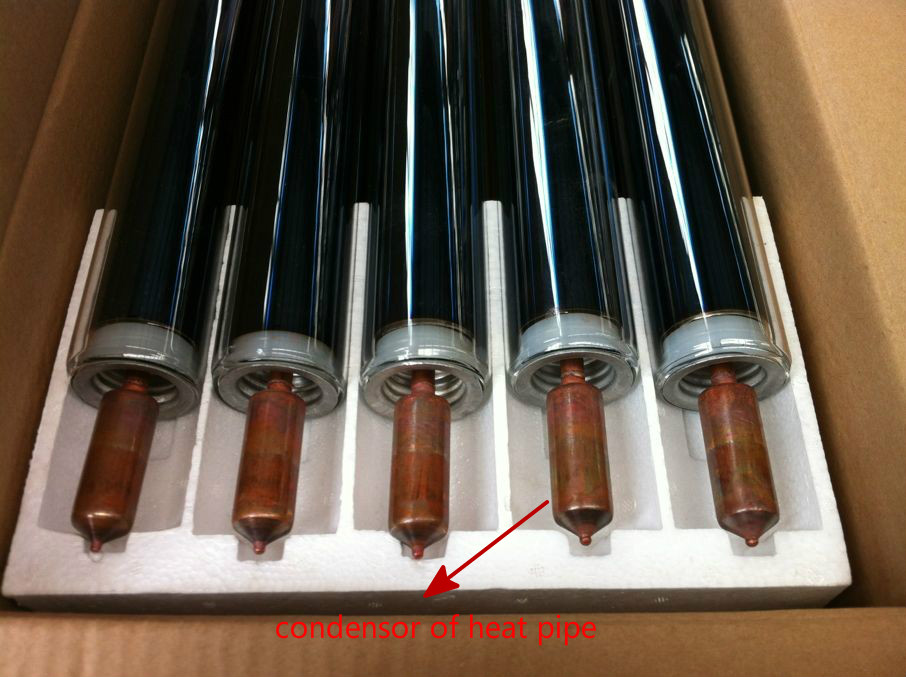
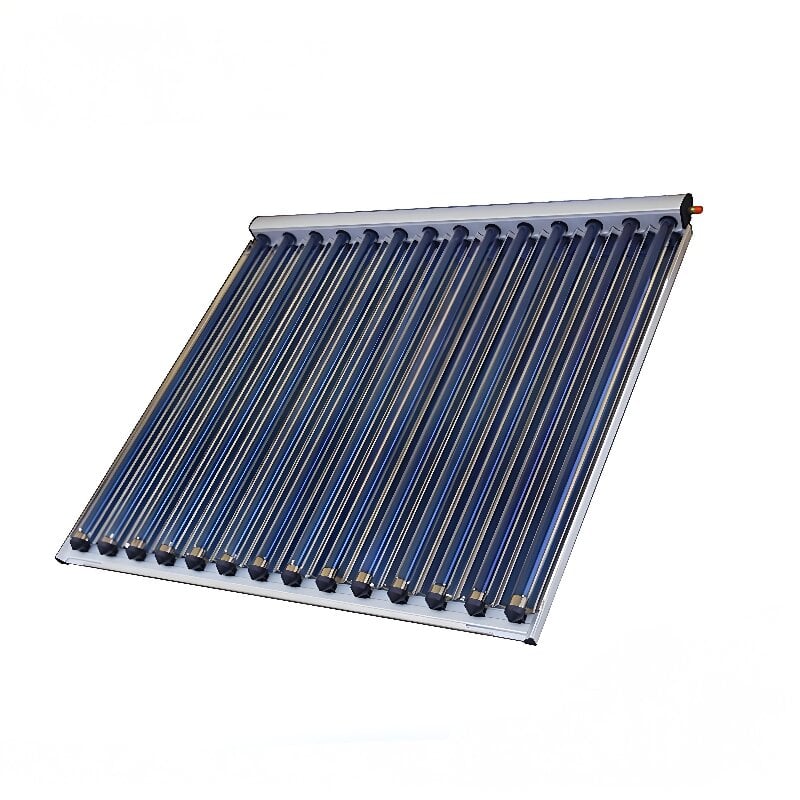
Heat-pipe Vacuum Tube
High Efficiency: The vacuum minimizes heat loss while the heat pipe efficiently transfers heat from the absorber to the heat transfer fluid.
Reliability: Heat pipes have no moving parts and are sealed, making them highly reliable with minimal maintenance requirements.
Quick Start-Up: Solar vacuum tubes with heat pipes can quickly start collecting solar energy as soon as sunlight is available.
- Introduction
- Main features
- Specifications
- Recommended
Product Introduction
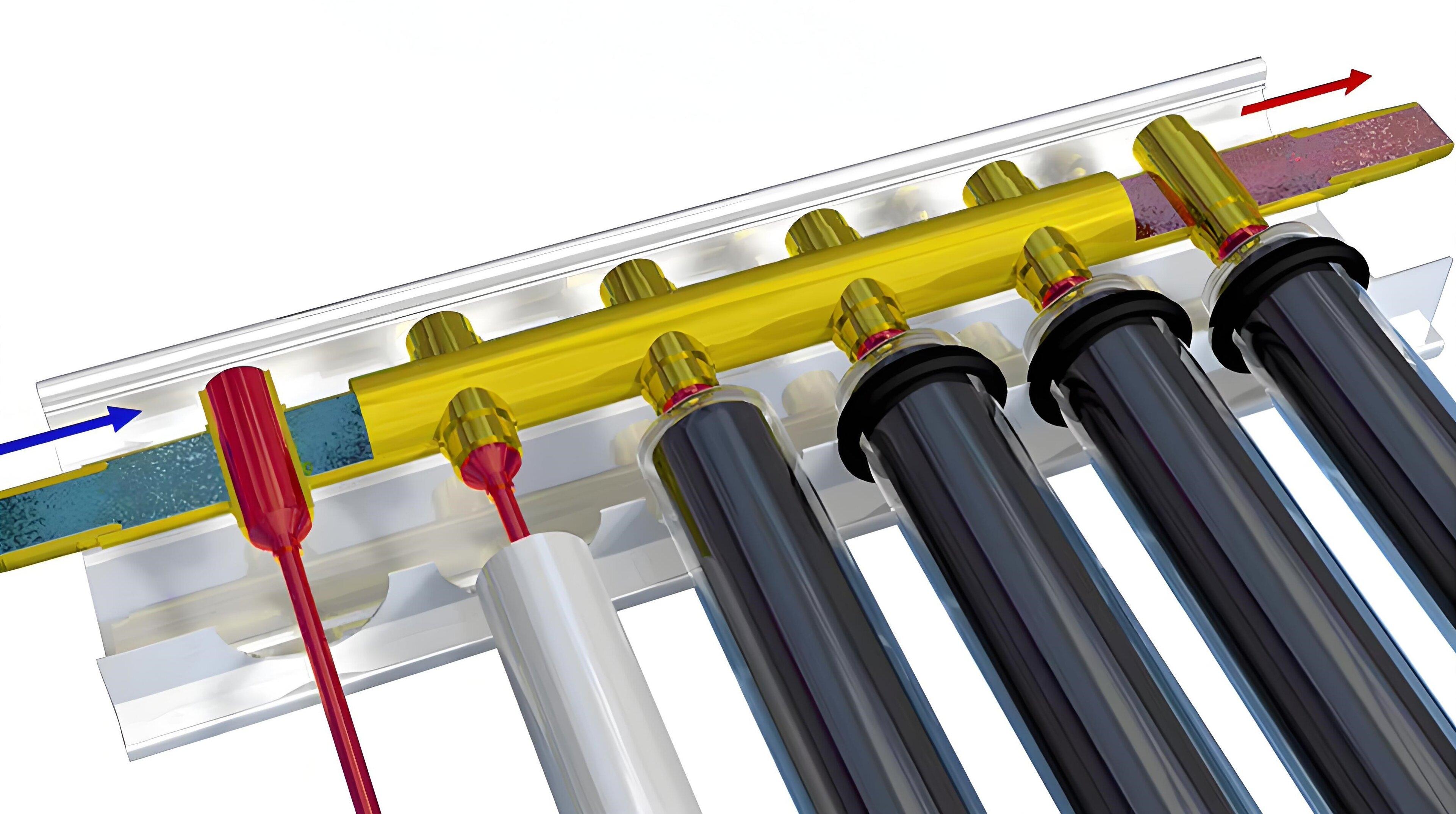
Solar vacuum tubes with heat pipes are efficient and reliable systems for capturing solar energy and converting it into usable heat. They are commonly used in solar water heating systems where they provide an environmentally friendly and cost-efective alternative to traditional heating methods.
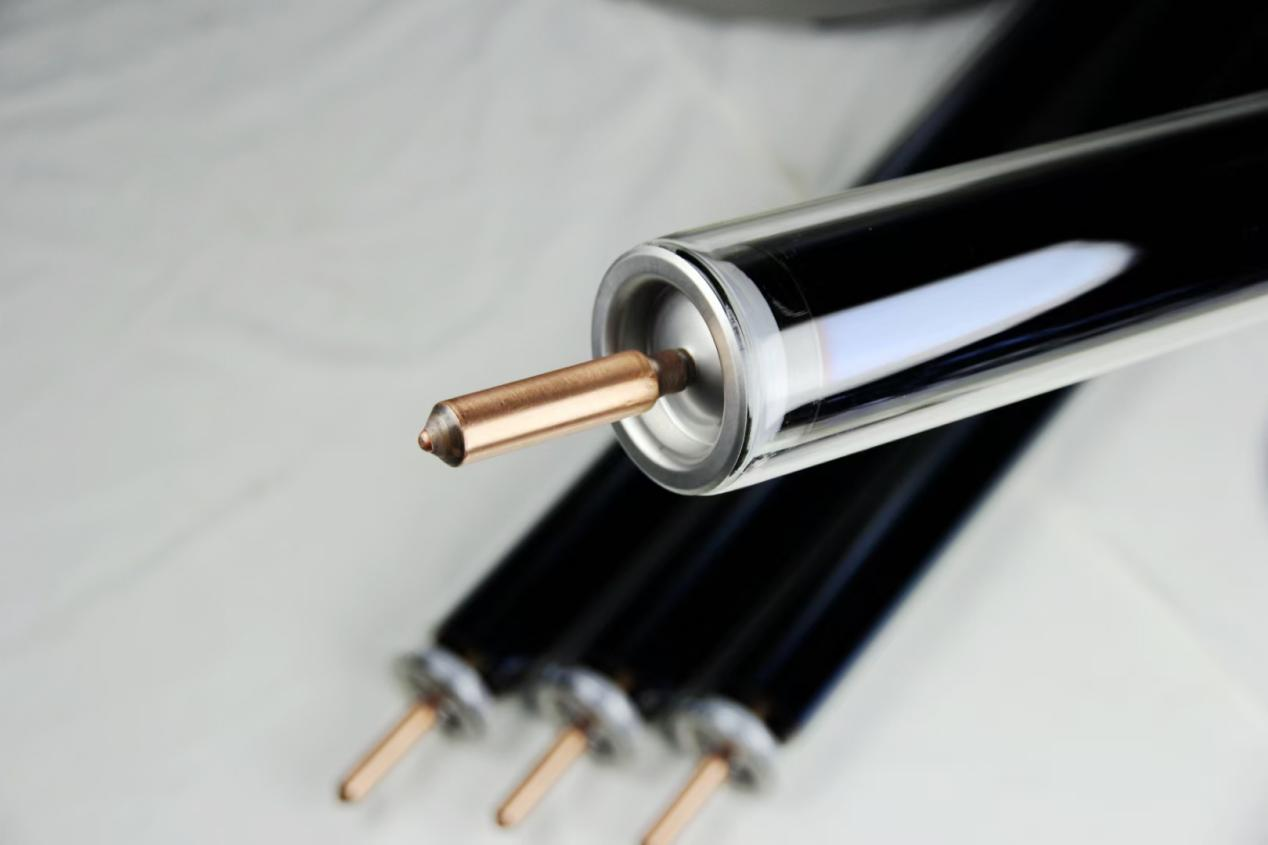
Structure and Composition
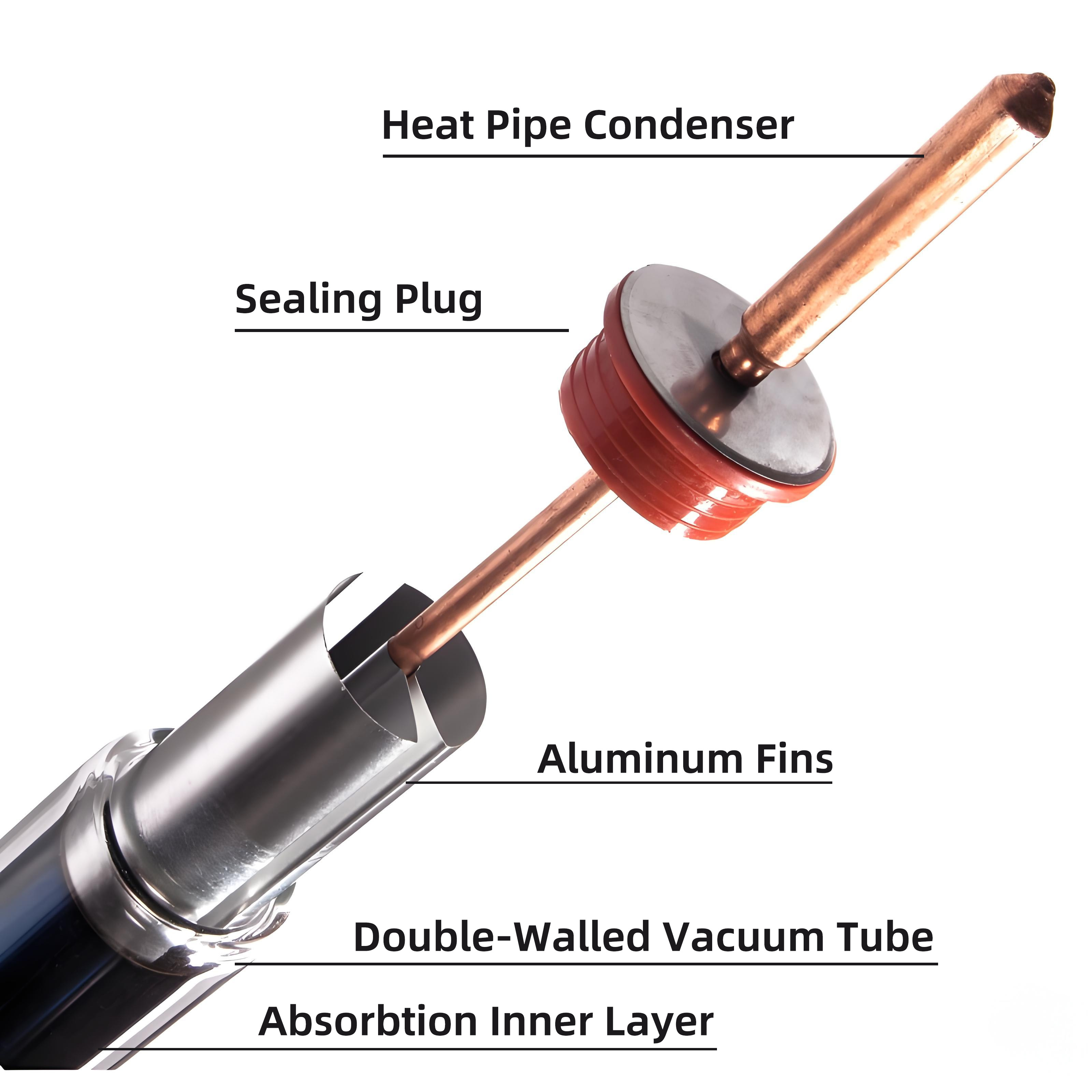
Vacuum Tube: This is the outer structure of the collector tube, typically made of glass. Its primary function is to form a vacuum layer, effectively preventing heat loss through air convection and conduction, thereby providing excellent insulation and ensuring efficient heat transfer to the internal working fluid. This design is particularly important in colder environments, as it helps prevent heat loss and even provides freeze protection.
Aluminum Fins: These are metal sheets tightly attached to the outer surface of the heat-absorbing tube (inner glass tube) or the heat pipe. Their main role is to increase the heat absorption area, allowing for more complete absorption of solar radiation and rapid heat conduction to the working fluid inside the heat pipe or heat-absorbing tube.
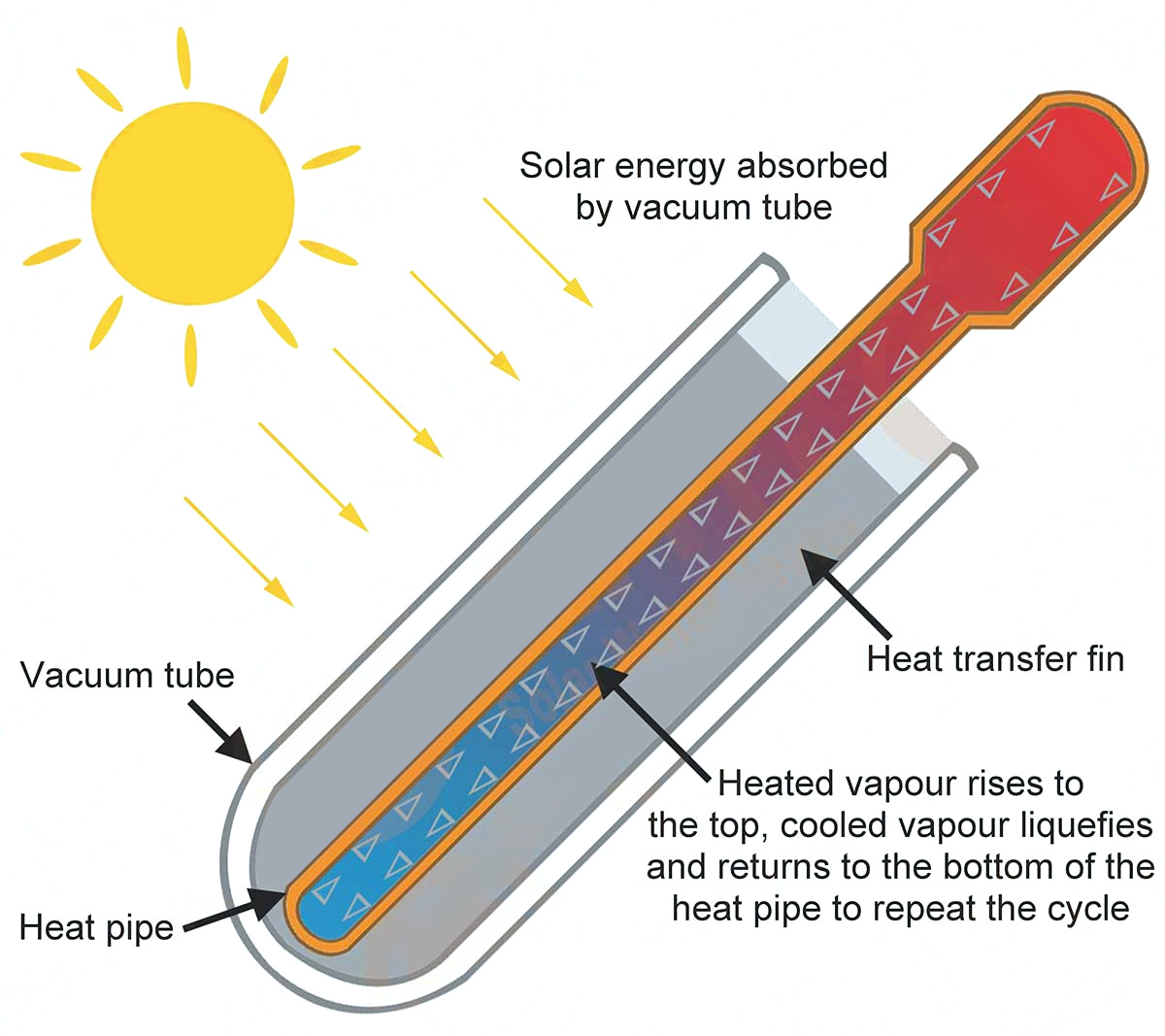
Heat Pipe: The heat pipe is the core component for efficient heat transfer. Its working principle is as follows: the heat absorbed by the absorber plate (or aluminum fins) causes the working fluid inside the heat pipe to vaporize. The steam rises to the condenser end, releases heat, and condenses back into liquid. The liquid then returns under the action of gravity or capillary force, creating a cycle that enables one-way, highly efficient heat transfer. This design gives heat pipe vacuum tubes advantages such as fast thermal startup and good freeze resistance.
Sealing Plug: The "plug" here typically refers to the insulating plug. It is installed at the opening of the vacuum tube and primarily serves to prevent heat loss from the tube opening, further reducing thermal loss and improving collection efficiency.
Working Principle
Sunlight penetrates the glass tube, and the absorber plate transfers the heat to the working fluid at the base of the heat pipe.
The vaporized fluid rises to the condenser end, exchanges heat with the heat transfer medium (e.g. water), condenses, and flows back. This cycle repeats, enabling highly efficient heat transfer.
Main features
1. High Efficiency: The vacuum minimizes heat loss while the heat pipe efficiently transfers heat from the absorber to the heat transfer fluid.
2. lmproved Performance in Cold Weather: Solar vacuum tubes with heat pipes can operate efficiently even in cold weather (-50°C) conditions.
3. Reliability: Heat pipes have no moving parts and are sealed, making them highly reliable with minimal maintenance requirements.
4. Quick Start-Up: Solar vacuum tubes with heat pipes can quickly start collecting solar energy as soon as sunlight is available.
5. No water inside vacuum tube: the whole collector can still work if a tube damaged.
Specifications
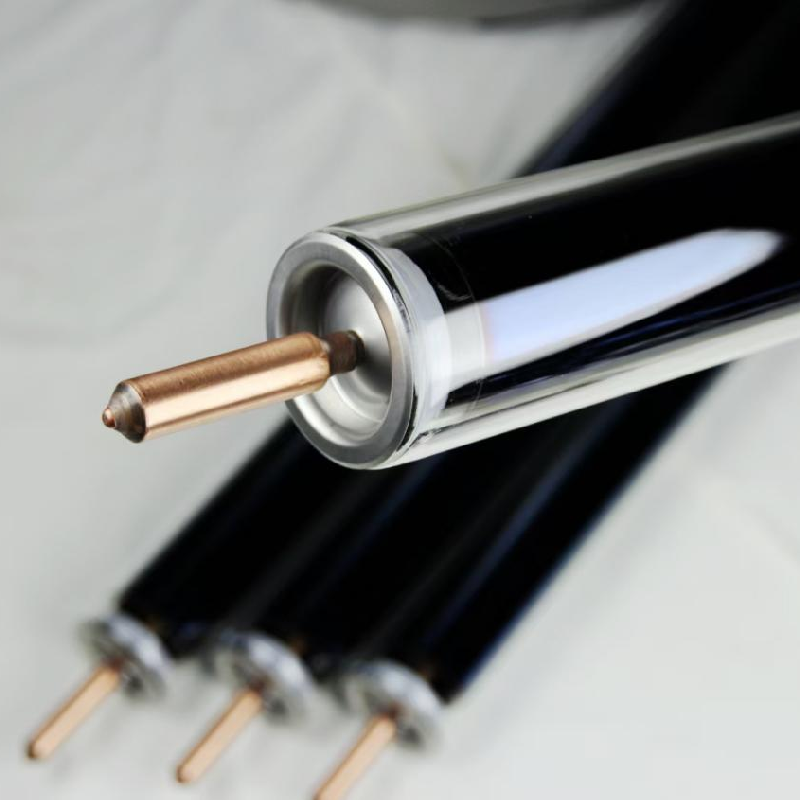 |
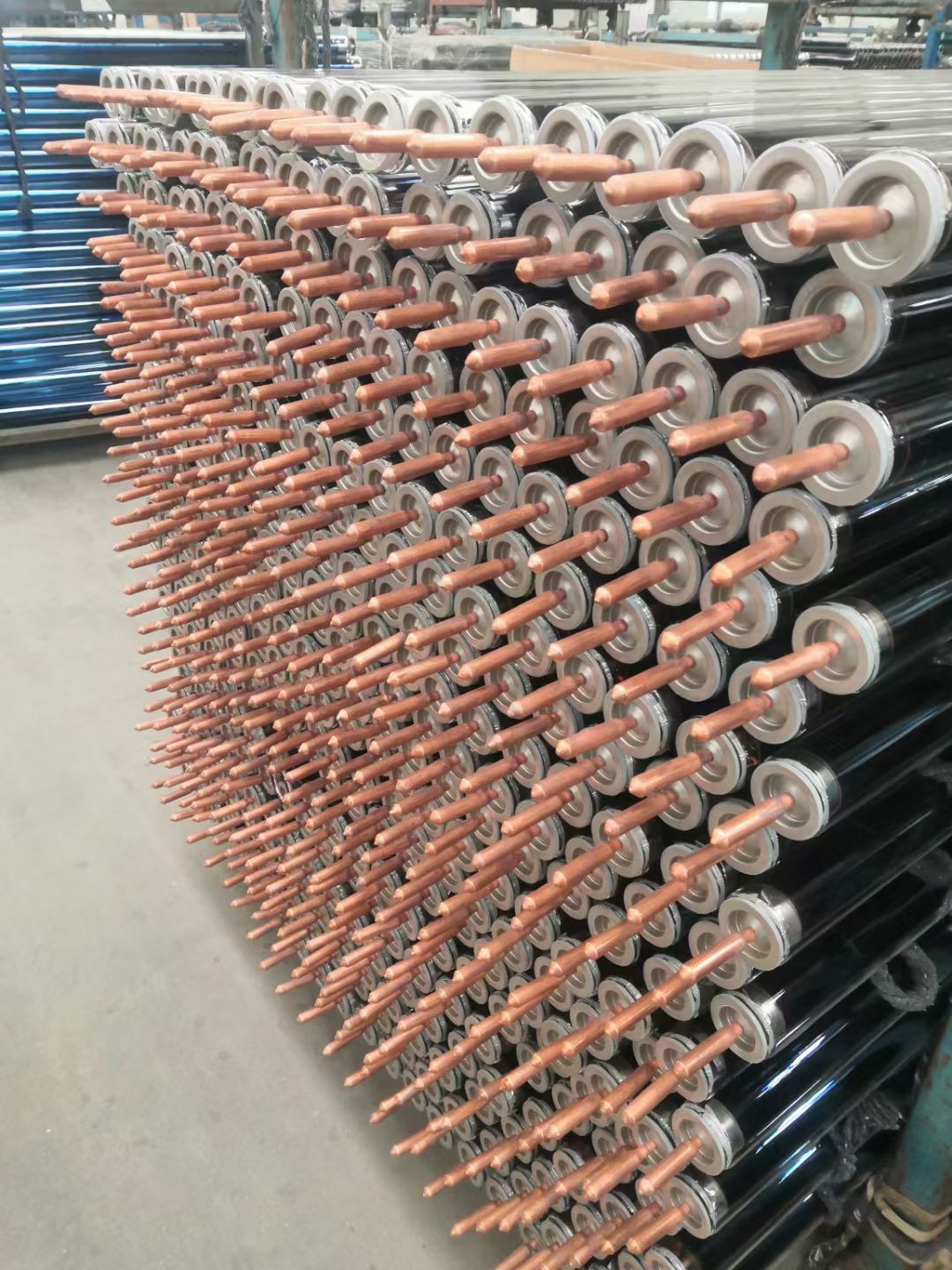
Model: 58-1800(14) Vacuum tube: three target 58-1800 Heat transfer fin: Styro Aluminum Conductive Fin Heat pipe: Red copper Condenser Diameter 14mm Sealing: silicon ruber with pressed stainless steel ring |
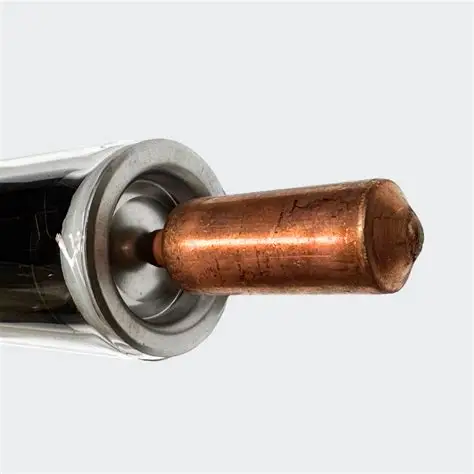 |
Model: 58-1800(24) Vacuum tube: three target 58-1800 Heat transfer fin: Styro Aluminum Conductive Fin Heat pipe: Red copper Condenser Diameter 24mm Sealing: silicon ruber with pressed stainless steel ring |